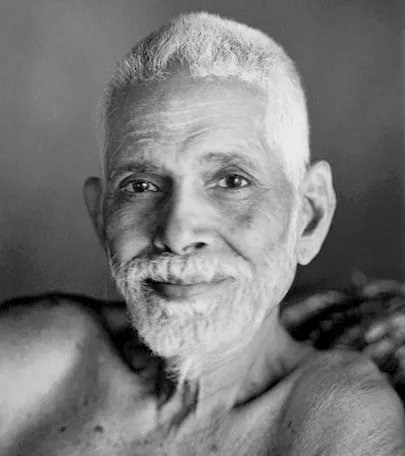
The Essence of Being: A Journey into the Heart of Existence
In the profound words of Ramana Maharshi, "Your duty is to be and not to do this or that. 'I am that I am' sums up the whole truth." This statement invites us to explore the essence of our existence beyond the confines of action and obligation. It challenges the modern inclination to define ourselves through our achievements and roles, urging us instead to embrace the simplicity of being. In a world that often equates worth with productivity, Maharshi's wisdom serves as a gentle reminder of the deeper truth that lies within us.
To "be" rather than to "do" is not merely a call to inaction; it is an invitation to recognize the inherent value of our existence. Maharshi's assertion encapsulates a profound spiritual truth that transcends cultural and temporal boundaries. It beckons us to delve into the nature of our identity, encouraging a shift from the external to the internal. This exploration is not just philosophical; it is a transformative journey that can lead to a more authentic and fulfilling life.
The image / the metaphor
The imagery in Maharshi's quote evokes a sense of stillness and presence. The phrase "I am that I am" resonates with the essence of existence itself, suggesting a state of being that is unconditioned and pure. The verbs "to be" and "to do" highlight a dichotomy that many of us navigate daily. While "doing" implies action, achievement, and often a sense of urgency, "being" invites us into a space of tranquility and acceptance. This distinction is not merely semantic; it reflects a fundamental choice in how we engage with our lives.
In the speaker's tradition
Ramana Maharshi's teachings are deeply rooted in the Advaita Vedanta tradition, which emphasizes non-duality and the oneness of existence. Concepts such as dharma, or one's duty, are often framed within the context of action and societal roles. However, Maharshi invites us to reconsider dharma not as a series of obligations but as an expression of our true nature. This perspective aligns with the notion of kenosis, or self-emptying, found in various spiritual traditions, where the relinquishing of the ego allows for a fuller experience of being.
In the context of Hindu philosophy, Maharshi's assertion resonates with the teachings found in the Upanishads, particularly the idea of Brahman, the ultimate reality. The Upanishads articulate the relationship between the individual self (Atman) and the universal self (Brahman), suggesting that to truly "be" is to recognize our unity with all that exists. This profound realization is echoed in the Bhagavad Gita, where Krishna advises Arjuna to act without attachment to the fruits of his actions, emphasizing the importance of being rooted in one's true self.
Living the teaching
Consider a modern scenario where the pressure to perform weighs heavily on individuals. In a corporate environment, for instance, employees often find their self-worth tied to their productivity and results. Maharshi's teaching offers a radical shift in perspective: rather than measuring success by output, one can cultivate a sense of self that is grounded in being. This shift allows individuals to approach their work with a sense of purpose and presence, rather than anxiety and competition, fostering a healthier workplace culture.
In the realm of relationships, Maharshi's wisdom can transform interactions. Imagine a moment of conflict where one partner feels the need to "do" something to resolve the issue—apologize, explain, or justify their actions. By embracing the essence of "being," both partners can step back and simply be present with each other, allowing space for vulnerability and understanding. This approach fosters deeper connections, as it prioritizes authenticity over performance, nurturing a relationship built on mutual respect and acceptance.
A reflection
As we contemplate Maharshi's profound statement, we are invited to reflect on our own lives: How often do we define ourselves by what we do rather than who we are? In a world that constantly demands action and achievement, how can we cultivate a deeper sense of being? Consider this contemplative question: What would it mean for you to embrace the truth of "I am" in your daily life, free from the pressures of expectation and the need to perform?




Join the BrightStar Community
Stay connected with daily inspiration, event announcements, and community wisdom