The Stillness Beyond Thought
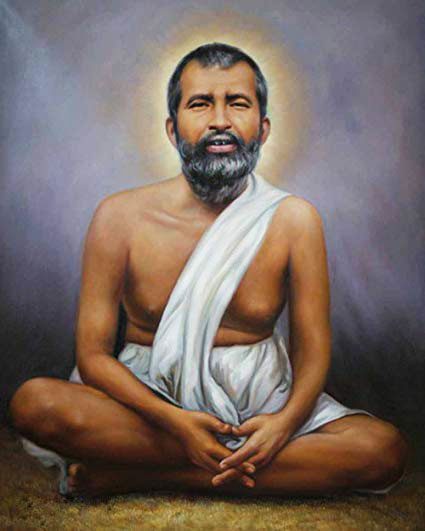
In the words of Sri Ramakrishna, "An aspirant should always be alert to keep his mind free from worldly thoughts at the time of meditation." This statement underscores the profound necessity for clarity and focus during meditation, emphasizing that the path to spiritual awakening is often obstructed by the distractions of daily life. The stakes are high; without this vigilance, the aspirant risks losing the opportunity to connect with deeper truths and insights that lie beyond the surface of mundane existence.
Ramakrishna's guidance invites us to consider the nature of our thoughts and the habitual patterns that often dominate our minds. In a world filled with constant stimuli and distractions, the challenge of maintaining a clear and focused mind during meditation becomes increasingly relevant. This quote serves as a reminder that meditation is not merely a practice but a disciplined art that requires our full attention and commitment to transcend the noise of worldly concerns.
The image / the metaphor
The imagery in Ramakrishna's quote evokes a sense of alertness and vigilance, suggesting that meditation is akin to a delicate balance where the mind must be carefully guarded against the encroachment of worldly thoughts. The use of the word "alert" implies an active engagement, a conscious effort to maintain a state of mental purity. This is not a passive endeavor; rather, it requires the aspirant to be acutely aware of the thoughts that arise and to gently redirect their focus back to the meditative state.
Diving deeper into the metaphor, we can see that the mind is likened to a garden, where worldly thoughts are akin to weeds that can easily overtake the flowers of spiritual insight. Just as a gardener must remain vigilant to prevent weeds from choking the life out of the plants, so too must the meditator cultivate a mental environment that fosters clarity and peace. This metaphor highlights the importance of discipline and intention in the practice of meditation, suggesting that the aspirant's role is not only to seek enlightenment but also to protect the sanctity of their inner space.
In the speaker's tradition
Within the rich tapestry of Hindu philosophy, Ramakrishna's teaching resonates deeply with concepts such as dharma and bhakti. Dharma, or the righteous path, emphasizes the importance of discipline and ethical living, which are foundational to a successful meditation practice. Similarly, bhakti, or devotion, encourages the aspirant to cultivate a heartfelt connection to the divine, which can be hindered by the distractions of worldly thoughts. Thus, Ramakrishna's exhortation to maintain mental clarity aligns seamlessly with these broader spiritual principles.
Moreover, this teaching can be contextualized within the framework of kenosis, the idea of self-emptying, which is prevalent in various spiritual traditions. By emptying the mind of worldly concerns, the aspirant creates space for divine presence and insight. In texts such as the Bhagavad Gita, the importance of focused meditation is echoed, where Krishna advises Arjuna to concentrate his mind and surrender to the divine will, illustrating the timeless relevance of Ramakrishna's wisdom.
Living the teaching
Consider a modern scenario where an individual sits down to meditate after a long day filled with work-related stress and personal obligations. As they close their eyes, thoughts of deadlines, family responsibilities, and social obligations flood their mind, making it nearly impossible to settle into a peaceful state. In this moment, the teaching of Ramakrishna becomes profoundly relevant; the aspirant must consciously acknowledge these distractions and gently guide their focus back to their breath or a chosen mantra, thereby cultivating the discipline necessary to maintain a clear mind.
In another context, imagine a person navigating a challenging relationship. During moments of conflict, it is easy to become engulfed in negative thoughts and emotional reactions. By applying Ramakrishna's teaching, the individual can practice mindfulness, striving to keep their mind free from worldly judgments and resentments. This discipline not only enhances their meditation practice but also enriches their interactions, allowing for a more compassionate and understanding approach to the relationship.
A reflection
As we contemplate Ramakrishna's profound insight, we are invited to reflect on our own meditation practices and the distractions that often arise. What worldly thoughts tend to intrude upon your moments of stillness? In recognizing these patterns, we can begin to cultivate a deeper awareness and commitment to maintaining the purity of our meditative space, ultimately leading us closer to the divine truths that await us beyond the noise of everyday life.




Join the BrightStar Community
Stay connected with daily inspiration, event announcements, and community wisdom