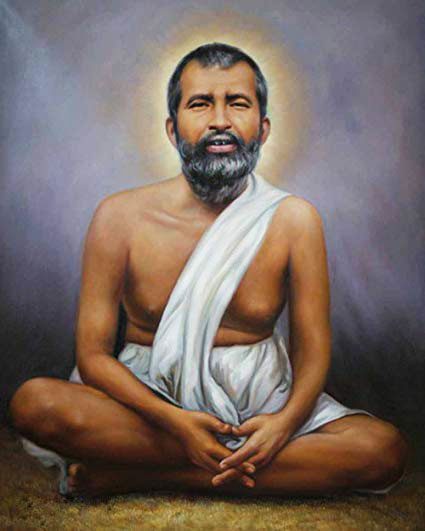
The Divine Presence Within: A Journey into Devotion
Sri Ramakrishna's assertion that "He who knows that God dwells in all is a true devotee" invites us to explore the profound interconnectedness of existence. This statement serves as a reminder that the divine is not a distant entity but an omnipresent reality that permeates every aspect of life. Understanding this truth transforms our perception of ourselves and others, urging us to cultivate a sense of reverence and compassion in our interactions. The stakes of this realization are high; it challenges us to transcend the illusion of separateness and embrace a more holistic view of our existence.
Delving deeper, we find that this quote encapsulates the essence of bhakti, or devotion, which is central to many spiritual traditions, including Hinduism. It suggests that true devotion arises not merely from ritualistic practices or external worship but from an inner recognition of the divine presence in all beings. This understanding fosters a sense of unity and encourages us to see the sacred in the mundane, transforming our daily lives into a continuous act of worship. In this light, the journey of devotion becomes a path of awakening to the divine essence that resides within and around us.
The image / the metaphor
The imagery in Sri Ramakrishna's quote evokes a sense of intimacy and immediacy with the divine. The phrase "God dwells in all" suggests a nurturing presence, akin to the way a parent might dwell lovingly in the lives of their children. The use of the word "knows" implies a deep, experiential understanding rather than mere intellectual acknowledgment. This knowing is transformative; it shifts our perspective from seeing the divine as an abstract concept to experiencing it as a living reality that informs our relationships and interactions.
Metaphorically, this quote invites us to consider the divine as a thread that weaves through the fabric of existence. Just as a thread connects individual fibers to create a tapestry, the divine presence connects all beings, fostering a sense of unity and belonging. This interconnectedness challenges the notion of individuality as separate and isolated, urging us to recognize that our true essence is intertwined with the essence of others. In this way, the quote serves as a call to cultivate awareness of the divine in every encounter, transforming our perception of the world into one of sacredness.
In the speaker's tradition
Within the context of Sri Ramakrishna's teachings, the idea of divine presence resonates deeply with the concept of bhakti, which emphasizes love and devotion towards God as the ultimate path to realization. This understanding aligns with the notion of dharma, where recognizing the divine in all beings becomes a moral imperative, guiding our actions and interactions. The practice of kenosis, or self-emptying, also finds relevance here; by letting go of our ego and embracing the divine presence in others, we open ourselves to a more profound experience of love and connection.
Furthermore, this teaching echoes the Buddhist concept of sunyata, or emptiness, which suggests that the essence of all beings is interconnected and devoid of inherent separateness. In the Bhagavad Gita, Krishna speaks of the divine presence within all beings, reinforcing the idea that recognizing this truth is essential for spiritual growth. By situating Sri Ramakrishna's quote within these broader spiritual frameworks, we see that the recognition of God in all is not merely a personal insight but a universal truth that transcends cultural and religious boundaries.
Living the teaching
Consider a modern scenario where this teaching can be applied: a bustling city street filled with diverse individuals, each absorbed in their own lives. In such a setting, recognizing the divine presence in each person can transform our interactions. Instead of viewing others as mere strangers or obstacles, we can approach them with a sense of reverence and compassion, understanding that each person embodies a unique expression of the divine. This shift in perspective can lead to more meaningful connections and a greater sense of community, as we begin to see ourselves reflected in one another.
In a more personal context, imagine a difficult moment in a relationship where misunderstandings and conflicts arise. By remembering that God dwells in the other person, we can cultivate empathy and patience, allowing us to navigate the situation with grace. This awareness encourages us to respond with love rather than react with anger or frustration, fostering healing and reconciliation. The practice of recognizing the divine in our relationships not only enriches our connections but also deepens our own spiritual journey, as we learn to embody the love and compassion that flows from this understanding.
A reflection
As we contemplate Sri Ramakrishna's profound insight, we are invited to reflect on our own lives: How can we cultivate a deeper awareness of the divine presence in ourselves and others? This question encourages us to examine our interactions and relationships, prompting us to seek the sacred in the ordinary. By embracing this practice, we can transform our daily lives into a continuous expression of devotion, enriching our spiritual journey and fostering a greater sense of unity with all beings.




Join the BrightStar Community
Stay connected with daily inspiration, event announcements, and community wisdom