The Journey from Wisdom to Action
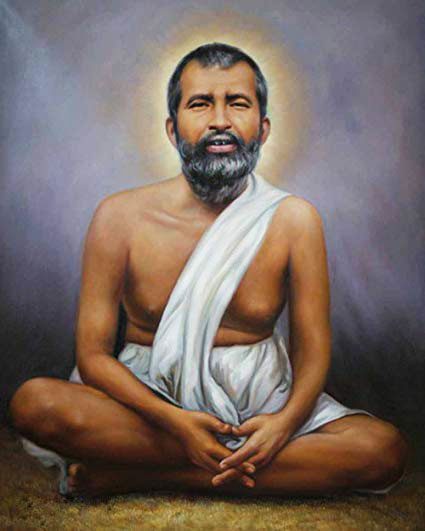
In the words of Sri Ramakrishna, "It is one thing to read the Bible or the Gita, and quite another to put their teachings into practice." This statement invites us to reflect on the profound distinction between intellectual understanding and lived experience. It emphasizes that the essence of spiritual wisdom is not merely in its acquisition but in its embodiment. The stakes are high; without practice, teachings remain abstract concepts, disconnected from the transformative power they hold.
Ramakrishna's insight resonates deeply in a world where information is abundant yet often superficial. The teachings of sacred texts like the Bible or the Gita offer profound insights into the nature of existence, ethics, and the divine. However, the challenge lies in translating these insights into our daily lives. This transition from theory to practice is where true spiritual growth occurs, and it is a journey that requires commitment, introspection, and courage.
The image / the metaphor
At first glance, Ramakrishna's quote presents a straightforward dichotomy: reading versus practicing. The verbs "read" and "put into practice" evoke a sense of movement from passive consumption to active engagement. The imagery suggests a journey, where one must traverse the gap between knowledge and action. This transition is not merely a change in behavior but a deep transformation of the self, where teachings become woven into the very fabric of our being.
Delving deeper into the metaphor, we can see that reading represents the accumulation of knowledge, while practice symbolizes the manifestation of that knowledge in the world. It is akin to planting a seed; reading the scriptures may provide the seed, but it is through nurturing and cultivating that seed—through practice—that it grows into a flourishing tree. This metaphor highlights the necessity of effort and intention in spiritual development, reminding us that wisdom is not a destination but a continuous journey.
In the speaker's tradition
Within the context of Hindu philosophy, Ramakrishna's statement aligns with the concept of dharma, which emphasizes the importance of righteous action in accordance with one's duty. The teachings of the Gita, for instance, advocate for the practice of karma yoga, the yoga of action, which underscores that selfless action is a path to spiritual liberation. This notion of practice is further enriched by the idea of bhakti, or devotion, which calls for an emotional engagement with the divine that transcends mere intellectual understanding.
Ramakrishna's emphasis on practice can also be seen in the teachings of the Upanishads, where the pursuit of knowledge is intimately linked with meditation and self-inquiry. In the Chandogya Upanishad, for example, the seeker is encouraged to "meditate on the syllable Om," illustrating that true understanding arises from direct experience rather than theoretical knowledge alone. This interconnection between knowledge and practice is a cornerstone of Ramakrishna's spiritual legacy, urging us to embody the teachings we encounter.
Living the teaching
Consider a modern scenario where an individual reads about compassion in spiritual texts but struggles to express it in their daily interactions. Perhaps they encounter a colleague who is facing personal challenges, and while they intellectually understand the importance of compassion, they hesitate to offer support. This moment illustrates the gap between knowledge and action; the teachings remain dormant until they are activated through conscious choice and effort. By stepping into the discomfort of vulnerability and extending a helping hand, one begins to embody the very principles they have studied.
Another application of this teaching can be found in relationships, particularly during conflicts. One might read about forgiveness and the importance of letting go of grudges, yet when faced with a disagreement, the instinct may be to hold onto resentment. Here, the challenge is to practice what has been learned, to consciously choose forgiveness despite the emotional turmoil. This act of practicing forgiveness not only transforms the relationship but also deepens one's understanding of the teaching itself, creating a cycle of learning and growth.
A reflection
As we contemplate Ramakrishna's profound insight, we are invited to ask ourselves: In what areas of my life am I merely a reader of spiritual teachings, rather than a practitioner? This question encourages introspection and invites us to identify the teachings that resonate with us, challenging us to take actionable steps toward embodying those principles. It is through this inquiry that we can begin to bridge the gap between knowledge and practice, ultimately leading to a more authentic and meaningful spiritual journey.




Join the BrightStar Community
Stay connected with daily inspiration, event announcements, and community wisdom