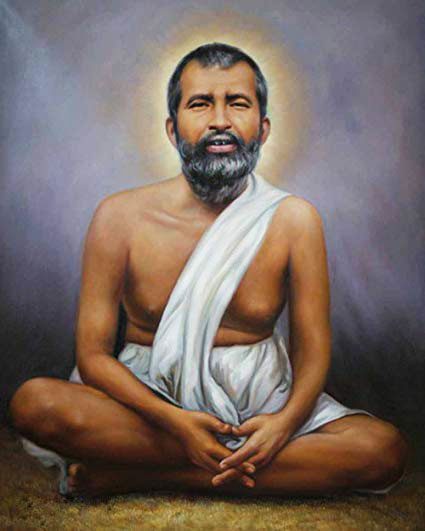
Embracing the World While Remaining Untouched
The quote "Live in the world, but be not of the world," attributed to Sri Ramakrishna, invites us to navigate the complexities of existence with a sense of detachment. It suggests a duality in our experience: we are to engage fully with the world around us, yet maintain an inner sanctum that remains untainted by its transient nature. This teaching is crucial in a time when the pressures of modern life can easily lead us to become overwhelmed by external circumstances, losing sight of our true essence.
At its core, this quote challenges us to find a balance between participation and detachment. It encourages us to cultivate a presence in our daily lives while simultaneously recognizing the impermanence of worldly attachments. In a society that often equates worth with material success and social validation, Ramakrishna's wisdom serves as a gentle reminder that our true fulfillment lies beyond the ephemeral, in the deeper currents of spiritual awareness and connection.
The image / the metaphor
To "live in the world" conjures images of active engagement—of walking through bustling streets, sharing laughter with friends, or immersing oneself in the vibrancy of life. The phrase evokes a sense of participation, suggesting that we are not to retreat into isolation but rather embrace the richness of human experience. Conversely, "be not of the world" introduces a contrasting image, one of stillness and introspection, where the heart remains untouched by the chaos that surrounds it. This juxtaposition of verbs—living versus being—highlights the delicate balance we must strike between involvement and detachment.
Diving deeper into this metaphor, we can see that Ramakrishna's words reflect the essence of a spiritual journey. The act of living in the world can be likened to a dancer moving gracefully across a stage, fully engaged in the performance, yet aware that the dance is but a fleeting moment in time. To be not of the world is to recognize that while we may play our roles, our true identity transcends the performance itself. This understanding allows us to participate in life without becoming ensnared by its illusions, fostering a sense of freedom that is both liberating and profound.
In the speaker's tradition
Within the context of Hindu philosophy, Ramakrishna's teaching resonates deeply with concepts such as dharma and bhakti. Dharma, or righteous living, encourages us to fulfill our responsibilities in the world while remaining aligned with our higher purpose. Bhakti, the path of devotion, invites us to cultivate a loving relationship with the divine, which can serve as an anchor amidst the tumult of worldly life. This dual approach—engaging with the world while nurturing our spiritual essence—reflects the heart of Ramakrishna's teachings and the broader Hindu tradition.
Moreover, we can draw parallels to the Buddhist concept of sunyata, or emptiness, which emphasizes the transient nature of all phenomena. Just as Ramakrishna urges us to live in the world without being of it, the notion of sunyata invites us to recognize the impermanence of our attachments and the illusory nature of the self. In this light, Ramakrishna's wisdom becomes a bridge connecting various spiritual traditions, highlighting a universal truth that transcends cultural boundaries.
Living the teaching
Consider a modern scenario where this teaching can be applied: a busy professional navigating the demands of a high-pressure job. The individual may find themselves caught in a whirlwind of deadlines, meetings, and expectations, often feeling overwhelmed by the weight of their responsibilities. By embodying Ramakrishna's teaching, they can engage fully in their work while cultivating a sense of detachment from the outcomes. This might involve setting aside moments for mindfulness, allowing them to approach their tasks with clarity and purpose, rather than being consumed by stress and anxiety.
Another application of this teaching can be found in personal relationships. Imagine a friendship that has become strained due to misunderstandings and unmet expectations. By practicing non-attachment, one can engage in open communication and vulnerability without clinging to the need for validation or approval. This approach fosters a deeper connection, allowing both individuals to navigate their differences with compassion and understanding, ultimately enriching the relationship rather than allowing it to be defined by external circumstances.
A reflection
As we contemplate the wisdom of Sri Ramakrishna, we are invited to reflect on our own lives: In what ways do we engage with the world, and how can we cultivate a sense of detachment that allows us to remain true to ourselves? This question encourages us to explore the balance between participation and non-attachment, guiding us toward a deeper understanding of our spiritual journey. By embracing this duality, we can navigate the complexities of life with grace and authenticity, embodying the essence of Ramakrishna's profound teaching.


Join the BrightStar Community
Stay connected with daily inspiration, event announcements, and community wisdom