The Infinite Pathways to the Divine
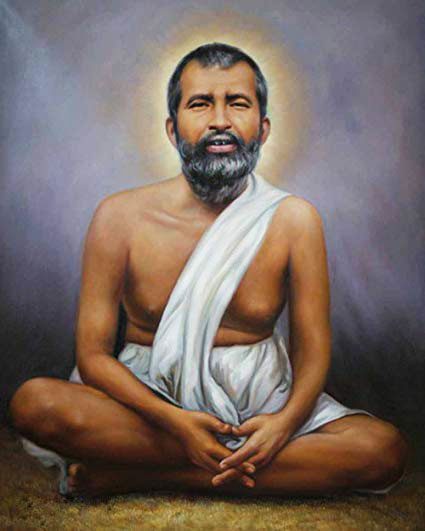
Sri Ramakrishna's profound assertion, "Many are the names of God and infinite the forms through which He may be approached," invites us into a vast and intricate tapestry of spiritual understanding. This quote encapsulates the essence of the divine as multifaceted and accessible through myriad expressions. In a world often divided by dogma and rigid beliefs, this perspective serves as a reminder of the unity underlying diverse spiritual paths. It encourages seekers to embrace the richness of different traditions while recognizing the singular essence of the divine that they all point toward.
At its core, this statement challenges us to reconsider our preconceived notions about divinity and the ways we engage with it. It suggests that the divine is not confined to a singular identity or form but is instead a boundless reality that can be approached through various names and manifestations. This understanding fosters a spirit of inclusivity and reverence for the myriad ways people experience the sacred. In a time when religious intolerance can overshadow our shared humanity, Ramakrishna's words resonate with a call for unity and compassion among all seekers of truth.
The image / the metaphor
The imagery in Ramakrishna's quote evokes a sense of vastness and diversity. The phrase "many are the names of God" suggests a rich lexicon of divine appellations, each reflecting a unique aspect of the divine nature. The use of "infinite forms" further emphasizes the limitless ways in which the divine can be perceived and experienced. This language invites us to explore the depths of our spiritual journeys, encouraging us to seek beyond the surface of our own beliefs and to appreciate the myriad expressions of the divine that exist in the world.
Diving deeper into the metaphor, we can see that the names and forms of God serve as gateways to understanding the divine. Each name carries with it a particular resonance, a unique vibration that can evoke different feelings and insights within us. Just as a single flower can be appreciated in countless ways—its color, scent, and shape—so too can the divine be approached through various lenses. This multiplicity not only enriches our spiritual experience but also invites us to cultivate a sense of humility, recognizing that our understanding is but one of many possible interpretations of a vast and unfathomable reality.
In the speaker's tradition
Within the context of Hindu philosophy, Ramakrishna's assertion aligns beautifully with the concept of bhakti, or devotional love. Bhakti emphasizes the personal relationship between the devotee and the divine, allowing for various expressions of worship that resonate with individual seekers. This notion of diverse pathways to the divine is also reflected in the teachings of the Upanishads, which articulate the idea of Brahman—the ultimate reality—being both immanent and transcendent. The recognition that different names and forms can lead to the same ultimate truth is a cornerstone of Hindu spirituality, inviting practitioners to explore their own unique paths.
Furthermore, Ramakrishna's perspective can be compared to the Buddhist concept of sunyata, or emptiness, which suggests that all phenomena are interconnected and devoid of inherent existence. Just as sunyata encourages a non-attachment to fixed identities, Ramakrishna's teaching invites us to let go of rigid definitions of the divine. In this way, both traditions converge on the understanding that the divine is not limited to our human conceptions but is an expansive reality that transcends all forms and names.
Living the teaching
In our modern lives, the teaching of Ramakrishna can manifest in various ways. Consider a scenario where individuals from different faith backgrounds come together to discuss their spiritual beliefs. Instead of viewing these differences as barriers, they can embrace the idea that each person's understanding of the divine is a valid expression of a shared truth. This approach fosters dialogue and mutual respect, allowing participants to learn from one another and deepen their own spiritual journeys. By recognizing the infinite forms through which the divine can be approached, we cultivate a sense of unity that transcends superficial differences.
Another application of this teaching can be found in our personal relationships. When conflicts arise, we often cling to our perspectives as the only valid truth. However, if we apply Ramakrishna's wisdom, we can approach these situations with an open heart, recognizing that each person's viewpoint is shaped by their unique experiences and understanding of the divine. This shift in perspective can lead to greater empathy and compassion, allowing us to navigate difficult moments with grace and understanding. In daily practice, we can cultivate this awareness through meditation, prayer, or reflective journaling, inviting the infinite forms of the divine into our lives.
A reflection
As we contemplate Ramakrishna's profound insight, we are invited to reflect on our own spiritual journeys. How do we perceive the divine, and in what ways might we be limiting our understanding by clinging to a singular perspective? In a world rich with diverse expressions of spirituality, what steps can we take to embrace the multitude of names and forms through which the divine can be approached? This contemplation encourages us to open our hearts and minds, inviting a deeper connection with the sacred that transcends our individual experiences.


Join the BrightStar Community
Stay connected with daily inspiration, event announcements, and community wisdom