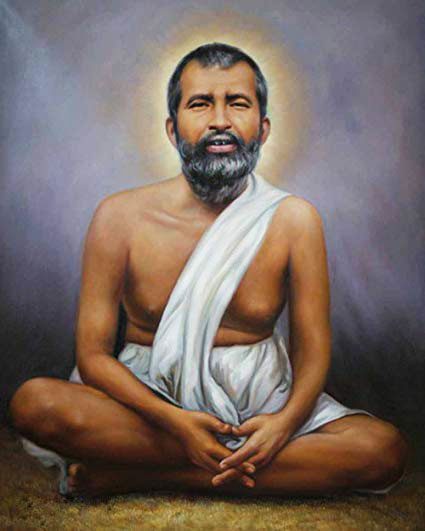
The Infinite Pathways to the Divine
Sri Ramakrishna's profound assertion, "Many are the names of God and infinite the forms through which He may be approached," invites us to explore the vastness of the divine experience. This statement underscores the multiplicity of ways in which individuals can connect with the sacred, emphasizing that no single path holds exclusive truth. In a world often divided by differing beliefs, this perspective encourages unity and understanding, reminding us that the divine can be encountered through myriad expressions and practices.
At its core, this quote challenges the notion of a singular, rigid understanding of God. It beckons us to embrace a more expansive view, one that recognizes the richness of spiritual diversity. By acknowledging the various names and forms of the divine, we open ourselves to a deeper appreciation of the human experience, fostering compassion and acceptance among different faiths and traditions. This exploration is not merely an intellectual exercise; it is a call to engage with the divine in ways that resonate with our individual journeys.
The image / the metaphor
The imagery within Sri Ramakrishna's quote evokes a sense of boundless possibility. The phrase "many are the names of God" suggests a tapestry woven from countless threads, each representing a unique cultural, linguistic, or personal interpretation of the divine. The word "infinite" amplifies this notion, hinting at an ever-expanding universe of spiritual understanding. The verbs "may be approached" imply an active engagement, inviting seekers to explore and discover their own pathways to the divine.
Diving deeper into the metaphor, we can see that each name and form of God serves as a portal through which individuals can access the sacred. Just as a river may take many tributaries to reach the ocean, so too do the diverse expressions of the divine lead us to a singular source of love and wisdom. This metaphor encourages us to view our spiritual journeys as personal and unique, while simultaneously recognizing the interconnectedness of all paths leading to the same ultimate truth.
In the speaker's tradition
Sri Ramakrishna's teachings are deeply rooted in the rich soil of Hindu philosophy, where concepts such as dharma, bhakti, and prajna play pivotal roles. The idea of multiple names and forms of God aligns with the Hindu understanding of Brahman, the ultimate reality that transcends all distinctions. In this context, the divine is not confined to a singular identity but is instead a vast, encompassing presence that can be experienced through various lenses, each offering its own insights and revelations.
Moreover, this perspective resonates with the teachings found in the Upanishads, where the concept of "neti neti" (not this, not that) encourages seekers to transcend limited definitions of the divine. The Bhagavad Gita also echoes this sentiment, as Krishna reveals his many forms to Arjuna, illustrating that the divine can manifest in countless ways. These texts collectively affirm that the journey to understanding God is as diverse as humanity itself, inviting us to explore and celebrate our differences in the quest for spiritual truth.
Living the teaching
In contemporary life, the teaching of Sri Ramakrishna can be applied in various ways, particularly in our interactions with others. Consider a workplace where individuals come from diverse cultural and spiritual backgrounds. Embracing the idea that "many are the names of God" can foster an environment of respect and collaboration, allowing team members to appreciate each other's beliefs and practices. This understanding can transform potential conflicts into opportunities for dialogue and connection, enriching the collective experience.
On a more personal level, this teaching can be a guiding principle in relationships, especially during challenging moments. When faced with disagreements or misunderstandings, recalling that each person may be approaching the divine from their unique perspective can cultivate empathy and patience. By recognizing the sacred in one another, we can navigate conflicts with grace, ultimately deepening our connections and fostering a sense of unity amidst diversity.
A reflection
As we contemplate Sri Ramakrishna's profound insight, we are invited to reflect on our own spiritual journeys. What names or forms of the divine resonate most deeply with you, and how do they shape your understanding of God? This question encourages us to explore our beliefs and experiences, fostering a deeper connection to the divine while honoring the myriad pathways that others may take.




Join the BrightStar Community
Stay connected with daily inspiration, event announcements, and community wisdom