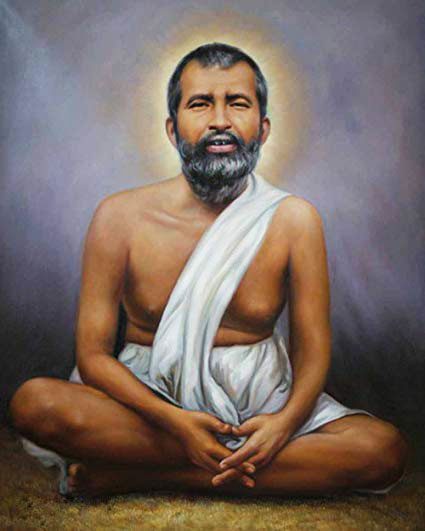
The Divine Dialogue: Approaching God Through Speech
Sri Ramakrishna's profound assertion, "Speak of God always; for it is by talking of Him that we come closest to Him," invites us into a sacred conversation. This quote emphasizes the transformative power of language in our relationship with the divine. By engaging in dialogue about God, we not only express our reverence but also cultivate a deeper awareness of His presence in our lives. In a world often filled with distractions, this teaching serves as a reminder of the importance of focusing our thoughts and words on the divine, thereby nurturing our spiritual growth.
Moreover, this quote highlights the intrinsic connection between speech and spirituality. Words have the capacity to shape our perceptions and experiences, acting as bridges that connect us to the divine. When we speak of God, we are not merely reciting doctrines or dogmas; we are participating in a living relationship that deepens our understanding and experience of the sacred. This practice of speaking about God can transform our mundane conversations into moments of profound connection, urging us to recognize the divine in every aspect of our lives.
The image / the metaphor
The imagery in Sri Ramakrishna's quote evokes a sense of intimacy and closeness. The act of speaking is inherently relational; it suggests a dialogue rather than a monologue, an exchange that invites both parties into a shared space. The verb "speak" implies an active engagement, a willingness to articulate our thoughts and feelings about God. This act of verbalizing our understanding of the divine serves as a conduit through which we can experience His presence more fully. It is as if our words become vessels that carry us closer to the essence of God.
Diving deeper into the metaphor, we can see that speech is not merely a tool for communication but a spiritual practice in itself. Just as a river flows toward the ocean, our words can flow toward the divine, creating a pathway for grace and understanding. In this sense, speaking of God becomes a form of devotion, a way to express our longing for connection and communion. The more we articulate our thoughts about God, the more we invite His presence into our lives, transforming our understanding and experience of the sacred.
In the speaker's tradition
Within the context of Hindu philosophy, Sri Ramakrishna's teaching resonates deeply with the concept of bhakti, or devotion. Bhakti emphasizes a personal relationship with the divine, characterized by love, surrender, and constant remembrance of God. Speaking of God aligns with the practice of bhakti, as it encourages devotees to keep their minds and hearts focused on the divine presence. This continuous remembrance fosters a sense of connection and intimacy, allowing practitioners to experience the divine in their everyday lives.
Furthermore, this teaching can be linked to the idea of prajna, or wisdom, which is cultivated through the contemplation of the divine. In texts such as the Bhagavad Gita, the importance of devotion and the remembrance of God is underscored as a means to attain spiritual realization. By speaking of God, we engage in a practice that not only deepens our understanding but also aligns us with the wisdom that arises from such contemplation. This interplay between speech and spiritual insight is a hallmark of Ramakrishna's teachings, inviting us to explore the depths of our relationship with the divine.
Living the teaching
Consider a modern scenario where this teaching can be applied: a gathering of friends discussing life’s challenges. In such moments, introducing conversations about God can shift the atmosphere from mundane to meaningful. By sharing personal experiences of faith or reflections on the divine, participants can create a space where spiritual insights emerge, fostering deeper connections among friends. This practice not only enriches the conversation but also serves as a reminder of the divine presence that permeates our lives, even in casual settings.
Another application of this teaching can be found in personal relationships, especially during difficult moments. When faced with conflict or misunderstanding, invoking the presence of God through dialogue can transform the interaction. By speaking of God’s love, compassion, and understanding, individuals can shift their focus from their grievances to a shared sense of purpose and connection. This practice encourages empathy and forgiveness, allowing relationships to flourish in the light of divine love. In this way, speaking of God becomes a powerful tool for healing and reconciliation.
A reflection
As we contemplate Sri Ramakrishna's words, we are invited to consider the role of speech in our own spiritual journeys. How often do we speak of God in our daily lives, and what impact does this have on our awareness of His presence? Reflecting on this question can reveal the depth of our relationship with the divine and inspire us to cultivate a practice of speaking about God more intentionally. In doing so, we may find ourselves drawing closer to the sacred, experiencing the transformative power of words in our spiritual lives.




Join the BrightStar Community
Stay connected with daily inspiration, event announcements, and community wisdom