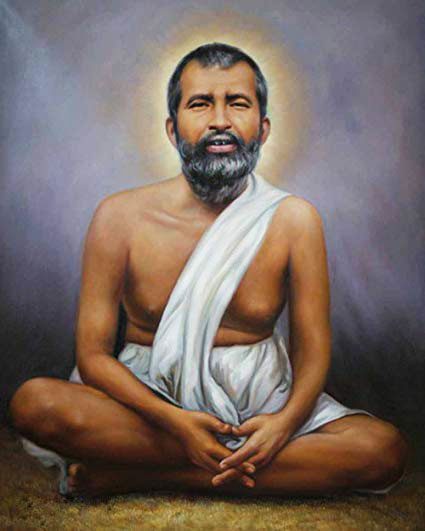
The Unity of Existence: Reflections on Sri Ramakrishna's Insight
In the profound words of Sri Ramakrishna, "The water and the bubble on it are one. The bubble has its birth in the water, floats on it, and is ultimately resolved into it. So also the jiva and Brahman." This metaphor encapsulates the intricate relationship between the individual self (jiva) and the ultimate reality (Brahman). It invites us to explore the nature of existence and our connection to the divine, emphasizing that our perceived separateness is an illusion, a transient state that ultimately returns to its source. Understanding this unity is not merely an intellectual exercise; it has the power to transform our lives and perceptions.
As we delve deeper into this quote, we recognize that it speaks to the essence of our spiritual journey. The bubble, while appearing distinct and separate, is inextricably linked to the water, just as our individual consciousness is intertwined with the universal consciousness. This realization challenges the dualistic perceptions that often dominate our lives, urging us to seek a deeper understanding of our true nature. The journey from the bubble back to the water symbolizes a return to wholeness, a reconnection with the divine source from which we all emerge.
The image / the metaphor
The imagery of the bubble and the water is rich and evocative. The bubble, delicate and ephemeral, represents the individual self, with its unique experiences, thoughts, and emotions. It floats on the surface of the water, suggesting a sense of buoyancy and freedom, yet it is also vulnerable to the winds of change and the inevitable dissolution that comes with time. The verbs chosen—birth, float, and resolve—capture the transient nature of existence, highlighting the cycle of life and the eventual return to the source. This imagery invites us to reflect on our own lives, recognizing the moments of joy and struggle as part of a larger, interconnected reality.
Diving deeper into the metaphor, we see that the bubble's existence is contingent upon the water. Without the water, the bubble cannot exist; it is born from it and ultimately dissolves back into it. This relationship mirrors the connection between the jiva and Brahman, where the individual self is a manifestation of the universal spirit. The bubble's journey is a reminder that while we may experience life as separate entities, our essence is rooted in a greater whole. This understanding can lead to a profound sense of peace and belonging, as we recognize that we are not isolated beings but integral parts of a vast, interconnected cosmos.
In the speaker's tradition
Within the context of Hindu philosophy, Sri Ramakrishna's teaching resonates with the concept of non-duality (Advaita). This perspective posits that the distinction between the individual self and the ultimate reality is an illusion, a veil that obscures our understanding of the true nature of existence. The notion of *maya*, or illusion, plays a crucial role in this discourse, suggesting that our perceptions of separateness are misleading. The journey toward enlightenment involves peeling away these layers of illusion to reveal the underlying unity of all beings, a theme echoed in the teachings of various sages and texts throughout the tradition.
In the *Upanishads*, ancient texts that explore the nature of reality and the self, we find similar sentiments expressed. For instance, the *Chandogya Upanishad* states, "Tat Tvam Asi," meaning "That Thou Art," which reinforces the idea that the individual self is not separate from the universal spirit. This profound realization is at the heart of spiritual awakening, inviting seekers to transcend their limited identities and embrace their true nature as expressions of the divine. Sri Ramakrishna's metaphor of the bubble and water serves as a poignant reminder of this timeless truth.
Living the teaching
Consider a modern scenario where this teaching can be applied: a moment of conflict in a workplace. Imagine two colleagues who have differing opinions on a project, leading to tension and misunderstandings. In such a situation, the metaphor of the bubble and water can serve as a guiding principle. By recognizing that both individuals are ultimately part of the same organizational goal and shared humanity, they can approach the conflict with empathy and a sense of unity. This perspective encourages collaboration rather than division, fostering a more harmonious work environment.
Another application of this teaching can be found in personal relationships. When faced with challenges in a partnership, it is easy to focus on perceived differences and grievances. However, embracing the understanding that both partners are manifestations of the same universal spirit can shift the dynamic. This awareness invites compassion and forgiveness, allowing individuals to see beyond their egos and reconnect with the love that binds them. By embodying the essence of the bubble and water, couples can navigate difficulties with grace and understanding, ultimately deepening their bond.
A reflection
As we contemplate Sri Ramakrishna's profound insight, we are invited to reflect on our own lives and relationships. How often do we perceive ourselves as separate from others, caught in the illusion of individuality? In what ways can we cultivate a deeper awareness of our interconnectedness, recognizing that our joys and struggles are part of a larger tapestry of existence? Let this contemplation guide us toward a more unified and compassionate way of being, as we seek to dissolve the boundaries that separate us from one another and from the divine source of all creation.




Join the BrightStar Community
Stay connected with daily inspiration, event announcements, and community wisdom