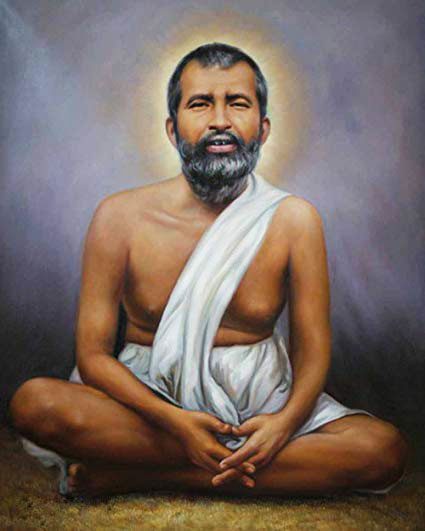
The Quiet Heart of Devotion
Sri Ramakrishna's assertion that "There must be devotion to God, but no display of it" invites us to explore the profound depths of spiritual sincerity. This statement challenges the often superficial expressions of faith that can dominate our spiritual landscapes. It beckons us to consider the essence of devotion, urging us to cultivate a genuine relationship with the divine that is unencumbered by the need for external validation or recognition. In a world that frequently equates spirituality with public displays, this teaching serves as a vital reminder of the inner sanctum of faith.
At its core, this quote speaks to the delicate balance between inner devotion and outer expression. It suggests that true devotion is an intimate affair, one that flourishes in the quiet corners of our hearts rather than in the spotlight of public attention. The emphasis on humility and authenticity resonates deeply within the spiritual journey, as it encourages seekers to prioritize their inner experiences over societal expectations. In a culture that often celebrates ostentation, Ramakrishna's wisdom invites us to reflect on the nature of our own spiritual practices and the motivations behind them.
The image / the metaphor
The imagery in Ramakrishna's quote evokes a sense of sacredness that is often lost in the clamor of public life. The phrase "devotion to God" conjures visions of a heartfelt connection, a bond that transcends the mundane and reaches into the divine. The juxtaposition of "no display of it" starkly contrasts the inner sanctum of devotion with the external world, suggesting that the most profound spiritual experiences are often those that remain unspoken and unseen. This tension between the private and the public invites us to consider how we express our spirituality and the motivations behind those expressions.
Diving deeper into the metaphor, we can see that Ramakrishna is not dismissing the importance of devotion; rather, he is emphasizing its purity. The act of devotion, when stripped of the need for recognition, becomes a form of surrender—a kenosis, or self-emptying, that allows the devotee to connect with the divine on a more profound level. This intimate relationship is akin to the concept of bhakti, where love for God is expressed through selfless devotion, free from the constraints of ego and pride. In this light, the quote serves as a guiding principle for those seeking to deepen their spiritual practice.
In the speaker's tradition
Within the rich tapestry of Hindu philosophy, Ramakrishna's teaching aligns closely with the principles of bhakti and the pursuit of dharma. Bhakti, or devotion, is a central tenet in many Hindu traditions, emphasizing love and surrender to God as the ultimate path to spiritual realization. This devotion is often characterized by humility and selflessness, qualities that resonate with Ramakrishna's call for a non-displaying heart. The concept of dharma, or righteous duty, further complements this teaching, as it encourages individuals to act in accordance with their true nature and spiritual calling, rather than seeking external validation.
To further illustrate this point, we can look to the Bhagavad Gita, where Lord Krishna advises Arjuna to perform his duty without attachment to the fruits of his actions. This teaching echoes Ramakrishna's sentiment, as both emphasize the importance of inner devotion over outward displays. The Gita encourages a focus on the selfless execution of one's responsibilities, suggesting that true fulfillment arises from aligning with one's inner truth rather than seeking approval from the external world. In this way, both texts serve as timeless guides for navigating the complexities of spiritual life.
Living the teaching
In our modern lives, the challenge of embodying Ramakrishna's teaching can manifest in various scenarios. Consider a situation in which an individual volunteers for a charitable cause. The desire to help others is noble, yet the temptation to share this act on social media for recognition can dilute the purity of the intention. By practicing devotion in silence—offering help without the need for acknowledgment—one can cultivate a deeper sense of connection to both the act of giving and the divine. This quiet service becomes a form of worship, allowing the individual to experience the joy of selflessness without the distractions of ego.
Another application of this teaching can be found in personal relationships. Imagine a moment of conflict where one partner seeks validation for their feelings through public displays of affection or social media posts. In contrast, a humble approach would involve addressing the issue privately, focusing on understanding and healing rather than seeking external affirmation. By embodying the essence of devotion in these intimate spaces, we create a nurturing environment that fosters genuine connection and growth. In both scenarios, the practice of humility and authenticity becomes a pathway to deeper spiritual fulfillment.
A reflection
As we contemplate Sri Ramakrishna's profound insight, we are invited to reflect on our own spiritual practices and motivations. Are we seeking validation through our expressions of devotion, or are we cultivating a sincere relationship with the divine that thrives in the quiet of our hearts? This contemplation encourages us to examine the authenticity of our spiritual journeys and to consider how we might embrace humility in our devotion. In this spirit, we might ask ourselves: How can I deepen my connection to the divine while letting go of the need for recognition?




Join the BrightStar Community
Stay connected with daily inspiration, event announcements, and community wisdom