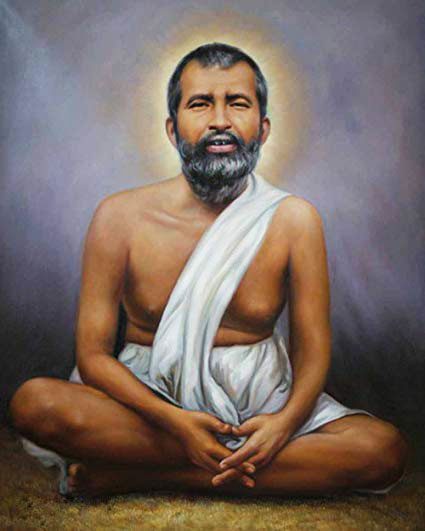
The Liberation of the Self: Embracing the Death of the Ego
In the profound words of Sri Ramakrishna, "When the ego dies, all troubles cease." This statement encapsulates a transformative insight into the nature of suffering and the self. The ego, often perceived as the core of our identity, is also the source of our greatest conflicts and anxieties. By relinquishing the ego, we open ourselves to a state of peace that transcends the turmoil of our everyday lives. Understanding this concept is not merely an intellectual exercise; it is a pathway to liberation that resonates deeply within the human experience.
Delving deeper into this teaching, we recognize that the ego is not simply a personal construct but a collective phenomenon that shapes our perceptions and interactions. It is the lens through which we view the world, often distorting our understanding and leading us into cycles of desire and dissatisfaction. The cessation of the ego invites us to explore a more expansive sense of self, one that is interconnected with all beings. This shift is not just a philosophical ideal; it is a lived reality that can transform our relationships, our sense of purpose, and ultimately, our experience of existence itself.
The image / the metaphor
At first glance, the imagery within Sri Ramakrishna's quote evokes a sense of finality—the death of the ego suggests an end to something that we often cling to for our identity. The verb "dies" carries with it a weight of surrender, a relinquishing of control that can feel daunting. Yet, this death is not a loss but rather a profound metamorphosis. It is akin to a seed that must break open to become a tree; in this sense, the death of the ego is a necessary step toward a fuller, richer existence.
Exploring this metaphor further, we can see that the ego acts as a barrier, a veil that obscures our true nature. When it dissolves, we are left with a sense of clarity and openness, much like the sky after a storm. The troubles that once seemed insurmountable fade into the background, revealing a landscape of peace and possibility. This imagery invites us to consider what lies beyond our self-imposed limitations and how we might cultivate a life that is less encumbered by the weight of our own identities.
In the speaker's tradition
To fully appreciate the depth of Sri Ramakrishna's insight, we must situate it within the broader context of Hindu philosophy. Concepts such as *dharma* (righteous duty), *kenosis* (self-emptying), and *sunyata* (emptiness) resonate with his teaching. In the Hindu tradition, the ego is often seen as an illusion (*maya*) that distracts us from our true nature, which is inherently divine and interconnected. The dissolution of the ego aligns with the spiritual journey toward *moksha*, or liberation, where one transcends the limitations of individual identity and experiences unity with the cosmos.
In the *Bhagavad Gita*, a foundational text in Hinduism, Lord Krishna speaks of the importance of selflessness and the relinquishing of attachment to the fruits of one's actions. This echoes Sri Ramakrishna's sentiment that true peace arises when we let go of our ego-driven desires. The Gita teaches that by performing our duties without attachment, we can achieve a state of equanimity, mirroring the peace that comes when the ego is transcended.
Living the teaching
Consider a modern scenario where this teaching might resonate: an individual grappling with workplace stress, feeling overwhelmed by competition and the need for recognition. In this context, the ego manifests as a relentless drive for success and validation, leading to anxiety and dissatisfaction. By embracing the idea that "when the ego dies, all troubles cease," this person might begin to shift their focus from personal ambition to collaboration and service. This shift not only alleviates stress but fosters a more harmonious work environment, where collective success is valued over individual accolades.
In relationships, the teaching can be equally transformative. Imagine a couple facing conflict, each entrenched in their own perspectives, unwilling to yield. The ego, in this case, becomes a barrier to understanding and connection. By recognizing that the need to be "right" often stems from egoic attachment, both partners can practice humility and openness. This willingness to let go of the ego allows for deeper intimacy and compassion, creating a space where love can flourish free from the constraints of self-centeredness.
A reflection
As we contemplate the profound wisdom of Sri Ramakrishna's words, we are invited to reflect on our own relationship with the ego. What aspects of our identity do we cling to that may be causing us suffering? In what ways might we practice letting go, not only for our own peace but for the benefit of those around us? This contemplation opens a pathway to deeper understanding and connection, inviting us to explore the liberating potential that lies in the death of the ego.


Join the BrightStar Community
Stay connected with daily inspiration, event announcements, and community wisdom