The Dance of Youth and Age: A Contemplation on Courage
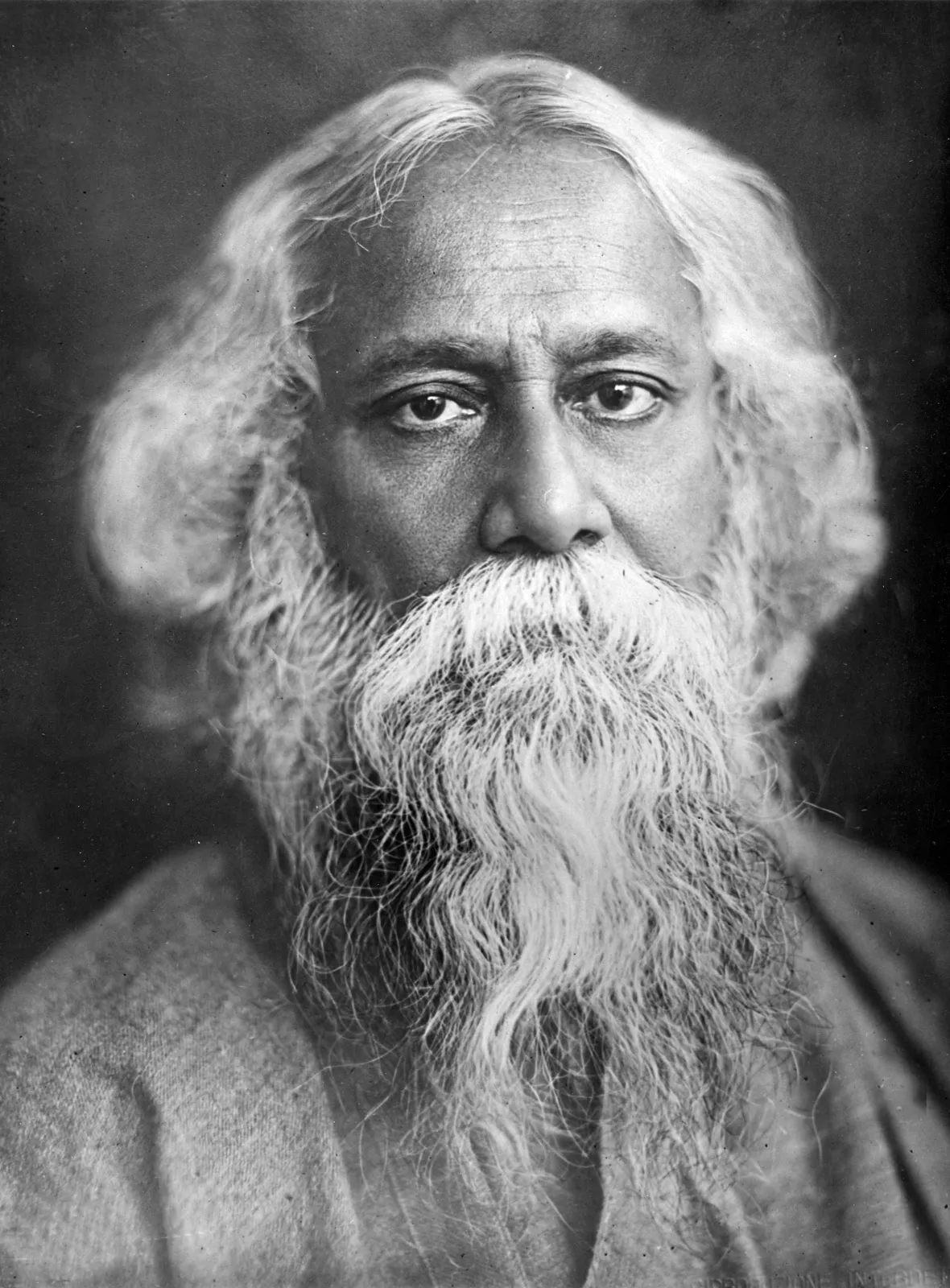
Rabindranath Tagore's poignant observation, "Age considers; youth ventures," encapsulates a profound dichotomy between the reflective nature of age and the audacious spirit of youth. In this simple yet powerful statement, Tagore invites us to explore the essence of courage and the willingness to embrace the unknown. This distinction matters deeply, as it speaks to the heart of human experience, urging us to recognize the vitality of youthful daring while also acknowledging the wisdom that comes with age.
As we delve into this quote, we uncover layers of meaning that resonate across generations. The interplay between consideration and venture reveals not only the contrasting approaches to life but also the inherent value in both perspectives. In a world that often celebrates the boldness of youth, Tagore's words remind us that the cautious deliberation of age has its own significance, offering a rich tapestry of understanding that can guide our choices and actions.
The image / the metaphor
At first glance, the imagery in Tagore's quote evokes a vivid contrast: age, with its connotations of reflection and prudence, stands in stark juxtaposition to the vibrant, unrestrained energy of youth. The verb "considers" suggests a thoughtful, measured approach, one that weighs options and contemplates consequences. In contrast, "ventures" conveys a sense of boldness and risk-taking, a willingness to leap into the unknown without the burden of extensive deliberation. This dynamic creates a felt sense of movement, where the cautious steps of age are counterbalanced by the leaps of faith characteristic of youth.
Diving deeper into the metaphor, we can see that Tagore is not merely contrasting two stages of life; he is illuminating a fundamental aspect of the human spirit. The act of venturing speaks to the courage to explore, to innovate, and to embrace uncertainty. It is a call to action, urging us to harness the energy of youth, regardless of our chronological age. In this light, the quote becomes a reminder that the spirit of adventure can reside within us at any stage of life, urging us to break free from the confines of fear and hesitation.
In the speaker's tradition
Rabindranath Tagore's insights are deeply rooted in the rich philosophical tradition of Hinduism, where concepts such as dharma and bhakti play pivotal roles in shaping one's life journey. Dharma, often translated as duty or righteousness, emphasizes the importance of living in accordance with one's true nature and purpose. In this context, the youthful venture can be seen as an expression of one's dharma, a courageous pursuit of one's path, unencumbered by the weight of societal expectations or fears of failure. Tagore's perspective encourages us to align our actions with our innermost calling, embracing the adventurous spirit that is inherent in our being.
Moreover, Tagore's emphasis on the contrast between age and youth resonates with the concept of kenosis, or self-emptying, found in various spiritual traditions. This idea suggests that true wisdom comes not from clinging to past experiences but from a willingness to let go and embrace new possibilities. In this light, the venture of youth can be seen as a form of spiritual awakening, a journey toward self-discovery that transcends the limitations imposed by age. Tagore's work, particularly in texts like "Stray Birds," reflects this understanding, inviting readers to explore the depths of their own potential and the beauty of the present moment.
Living the teaching
Consider a modern scenario where this teaching resonates: a young entrepreneur stands at the precipice of launching a new venture. Fueled by passion and a vision for change, they embody the spirit of youth venturing into the unknown. However, as they navigate the complexities of business, they may encounter the cautious voices of older mentors who urge them to consider the risks involved. This moment encapsulates the essence of Tagore's quote, highlighting the tension between youthful daring and the wisdom of experience. The entrepreneur must find a balance, drawing on the courage to venture while also heeding the insights that come with age.
In a different context, imagine a relationship where one partner is hesitant to express their feelings due to past experiences, while the other embodies the adventurous spirit of youth, eager to explore the depths of connection. Here, the quote serves as a reminder that love requires both the courage to venture into vulnerability and the wisdom to consider the emotional landscape of the other. By embracing the adventurous spirit of youth, both partners can cultivate a deeper understanding and connection, allowing their relationship to flourish in the face of uncertainty.
A reflection
As we reflect on Tagore's words, we are invited to consider the interplay between courage and caution in our own lives. How can we embrace the spirit of youth, venturing boldly into new experiences while also honoring the wisdom that comes with age? In what areas of our lives do we feel called to take risks, and how can we balance that with thoughtful consideration? These questions invite us to engage in a contemplative exploration of our own journeys, encouraging us to find the courage to venture forth while remaining grounded in the wisdom we have gained along the way.




Join the BrightStar Community
Stay connected with daily inspiration, event announcements, and community wisdom