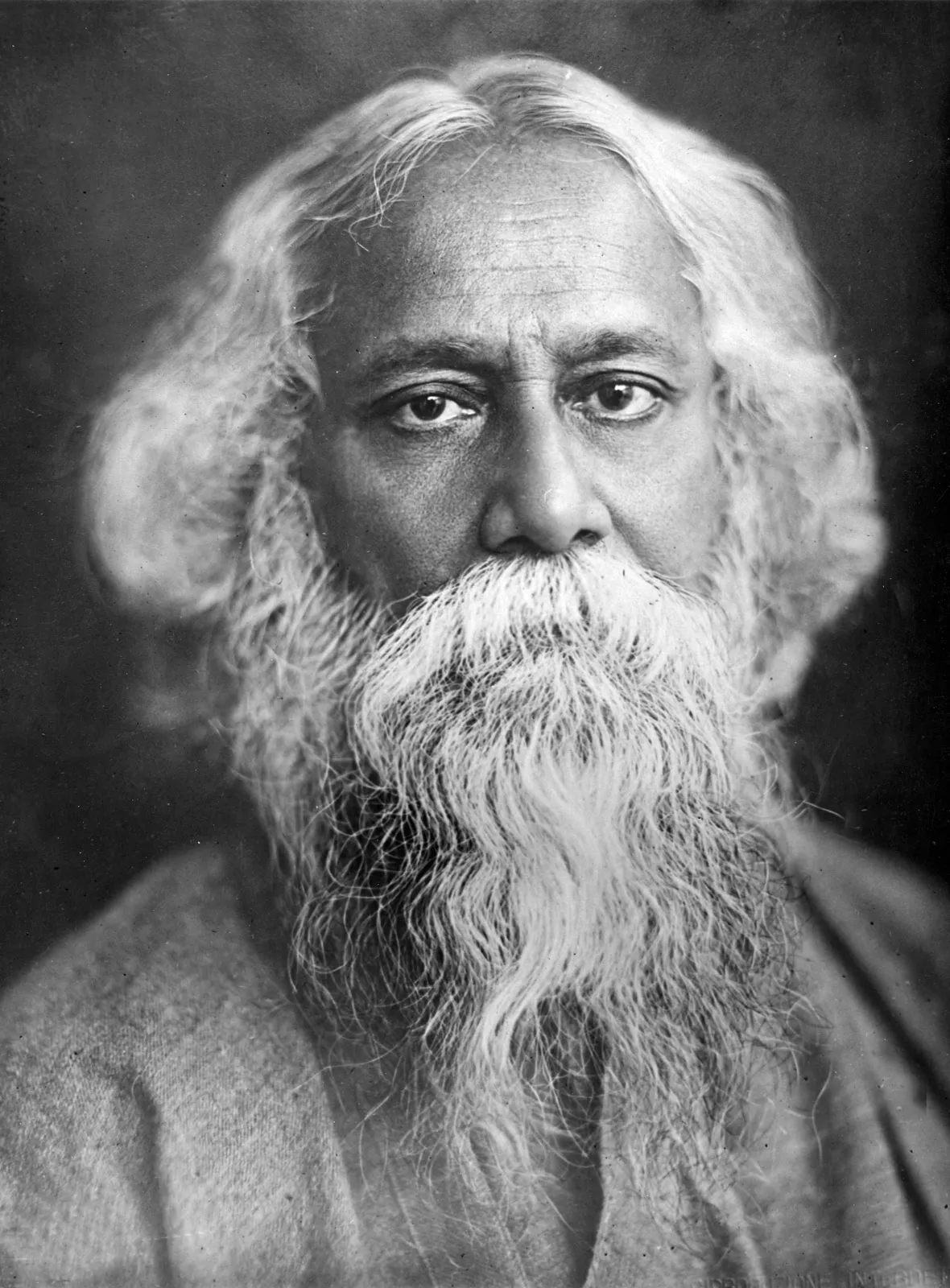
Dreams of the Impotent: A Journey into Possibility
In the poignant words of Rabindranath Tagore, the dialogue between the Possible and the Impossible reveals a profound truth about human aspiration and limitation. When the Possible inquires about the dwelling place of the Impossible, the response points to the dreams of those who feel powerless. This exchange invites us to reflect on the nature of our dreams and the barriers that often seem insurmountable. It challenges us to consider how our aspirations can be both a source of strength and a reminder of our vulnerabilities.
Tagore's quote resonates deeply in a world where dreams often clash with reality. It suggests that the realm of possibility is not merely a distant horizon but is intimately connected to our innermost desires and the struggles we face. The notion that the Impossible resides in the dreams of the impotent speaks to the universal human experience of longing for what seems unattainable. This exploration of dreams and limitations is not just a philosophical inquiry; it is a call to engage with our own potential and the barriers that inhibit us from realizing it.
The image / the metaphor
The imagery in Tagore's quote is rich and evocative, presenting a dialogue that personifies abstract concepts. The Possible and the Impossible are not just ideas; they are entities that interact, suggesting a dynamic relationship between aspiration and limitation. The phrase "Where is your dwelling-place?" evokes a sense of searching, a quest for understanding the nature of our dreams and the obstacles we face. The answer, "In the dreams of the impotent," carries a weight of melancholy, hinting at the fragility of human ambition and the often-unrecognized power of dreams.
Diving deeper into the metaphor, we see that the "dreams of the impotent" are not merely fantasies but reflections of unfulfilled potential. They embody the struggles of those who feel powerless in the face of overwhelming challenges. This juxtaposition of the Possible and the Impossible invites us to examine our own lives: where do we find ourselves dreaming of what seems unattainable? In this light, the quote becomes a mirror, reflecting our aspirations and the fears that accompany them, urging us to confront the limitations we impose on ourselves.
In the speaker's tradition
Rabindranath Tagore's insights are deeply rooted in the Hindu tradition, which emphasizes the interplay between possibility and limitation through concepts such as dharma and bhakti. Dharma, or the moral order of the universe, encourages individuals to pursue their true calling, while bhakti emphasizes devotion and surrender to a higher power. In this context, the dialogue between the Possible and the Impossible can be seen as a reflection of the human journey toward self-realization and spiritual awakening. The dreams of the impotent may represent the struggle to align one's personal aspirations with the greater cosmic order.
Tagore's work often draws upon the philosophical underpinnings found in texts like the Bhagavad Gita, where the tension between duty and desire is explored. In the Gita, Arjuna grapples with his own limitations and the expectations placed upon him, mirroring the dialogue in Tagore's quote. The Gita teaches that true fulfillment arises not from the mere pursuit of desires but from understanding one's place within the larger tapestry of existence. This alignment with dharma allows the Possible to emerge from the shadows of the Impossible, transforming dreams into reality.
Living the teaching
Consider a modern scenario where an individual aspires to start a new venture but feels overwhelmed by self-doubt and external challenges. This person embodies the "impotent" in Tagore's quote, caught between the desire for success and the fear of failure. Yet, it is precisely in this tension that the seeds of possibility can be sown. By acknowledging their dreams and the barriers they face, they can begin to navigate the path toward realizing their aspirations. This journey requires courage, resilience, and a willingness to confront the limitations that have been self-imposed.
In relationships, the teaching of Tagore's quote can manifest in moments of vulnerability and connection. Imagine a couple facing a significant challenge, where one partner feels powerless to effect change. The dreams of the impotent may surface as feelings of inadequacy or hopelessness. However, by engaging in open dialogue and sharing their dreams, both partners can create a space for possibility. This act of vulnerability not only strengthens their bond but also transforms their shared dreams into a collective vision, illustrating how the interplay of the Possible and the Impossible can lead to profound growth and understanding.
A reflection
As we contemplate Tagore's profound words, we are invited to ask ourselves: What dreams reside within me that I have deemed impossible? This question encourages introspection and invites us to explore the barriers we have constructed around our aspirations. By acknowledging these dreams and the feelings of impotence that accompany them, we can begin to dismantle the limitations we impose on ourselves. In this exploration, we may find that the path to possibility is not as distant as it seems, and that our dreams, however fragile, hold the potential for transformation.




Join the BrightStar Community
Stay connected with daily inspiration, event announcements, and community wisdom