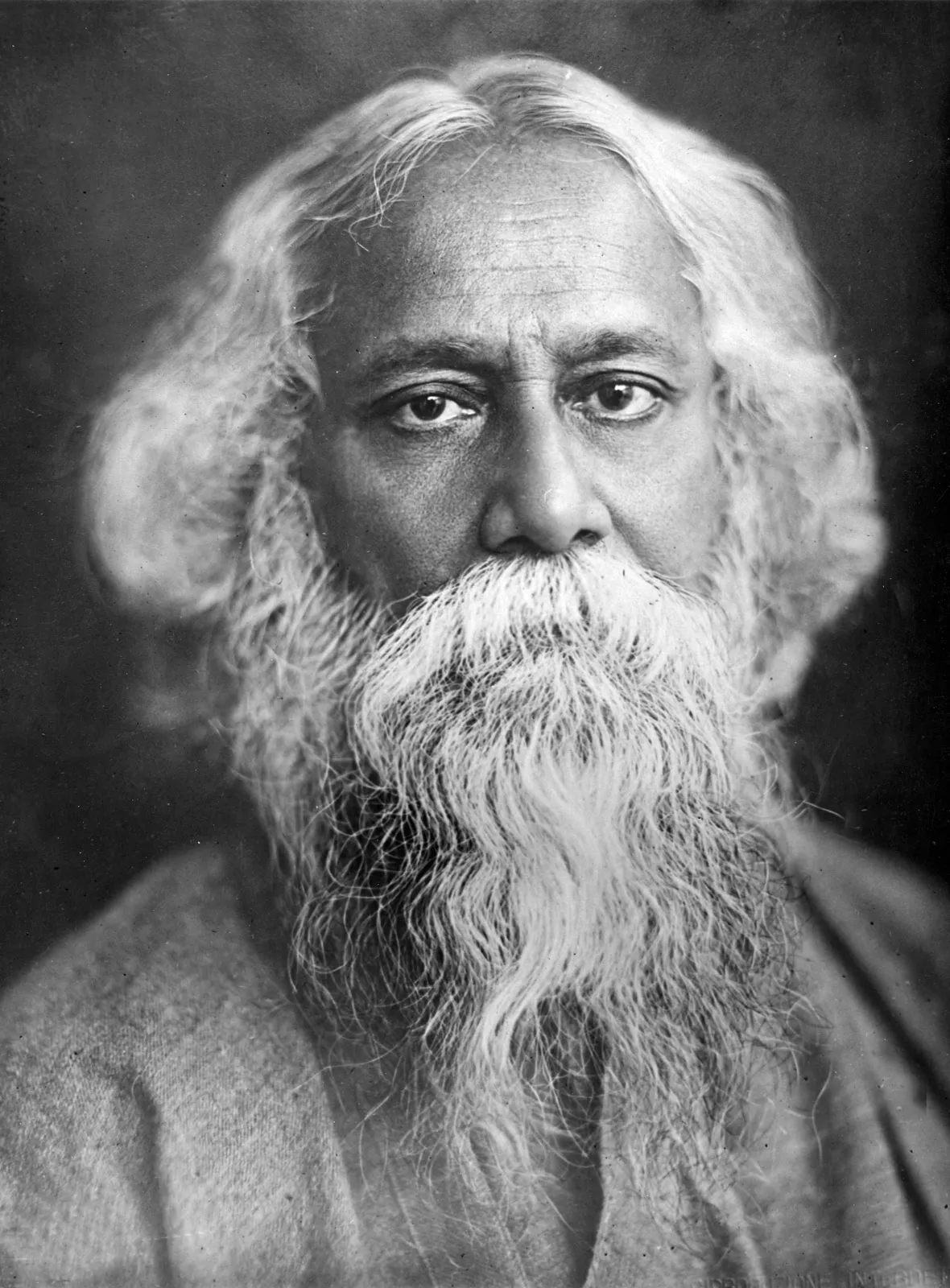
The Dance of Beauty and Truth: Reflections on Tagore's Wisdom
Rabindranath Tagore's assertion that "Beauty is truth's smile when she beholds her own face in a perfect mirror" invites us to explore the intricate relationship between beauty and truth. In this poetic metaphor, Tagore suggests that beauty arises from an authentic recognition of truth, as if truth, upon seeing itself reflected, radiates a smile of joy and fulfillment. This profound insight compels us to consider how our perceptions of beauty are often intertwined with our understanding of truth, urging us to seek deeper connections in our lives.
As we delve into this quote, we are beckoned to reflect on the nature of beauty itself. It is not merely an aesthetic experience but a profound recognition of the essence of reality. When truth is acknowledged and embraced, beauty emerges as a natural consequence, illuminating our existence. This interplay between beauty and truth is not only a philosophical inquiry but also a spiritual journey, inviting us to cultivate a deeper awareness of ourselves and the world around us.
The image / the metaphor
At the heart of Tagore's quote lies a vivid metaphor that evokes the image of a perfect mirror, one that reflects not just the surface but the essence of what it beholds. The use of the word "smile" suggests a warmth and joy that accompanies this recognition, implying that beauty is not a static quality but a dynamic expression of truth. The act of beholding oneself in a perfect mirror signifies clarity and authenticity, where the distortions of perception are stripped away, allowing for a genuine encounter with reality.
Delving deeper into this metaphor, we can see that the "perfect mirror" symbolizes the inner state of being that allows truth to be fully recognized and appreciated. It challenges us to consider what it means to truly see ourselves and the world around us. In this context, beauty becomes a reflection of our inner truth, suggesting that when we align ourselves with our authentic selves, we naturally embody beauty. This alignment is not merely superficial; it is a profound acknowledgment of our interconnectedness with all that exists.
In the speaker's tradition
Rabindranath Tagore's insights are deeply rooted in the Hindu tradition, where concepts such as dharma and bhakti illuminate the path toward understanding beauty and truth. Dharma, often translated as duty or righteousness, encourages individuals to live in accordance with their true nature, fostering a sense of harmony and balance. In this light, beauty can be seen as a manifestation of living one's dharma, where truth and authenticity shine through in our actions and interactions.
Moreover, Tagore's emphasis on reflection resonates with the concept of prajna, or wisdom, found in various Hindu texts. This wisdom arises from a deep understanding of the self and the universe, leading to a recognition of the inherent beauty in all things. The Bhagavad Gita, for instance, speaks to the importance of seeing beyond the illusions of the material world to grasp the underlying truth of existence. In this way, Tagore's quote serves as a reminder that beauty is not merely an external quality but a profound realization of truth that resides within us all.
Living the teaching
Consider a modern scenario where this teaching might resonate: a person standing before a mirror, grappling with self-doubt and insecurity. In this moment, the reflection may not reveal the beauty that others see; instead, it may reflect a distorted self-image shaped by societal expectations and personal struggles. However, if this individual were to shift their perspective and embrace their truth—acknowledging their unique qualities and experiences—they might begin to see the beauty that Tagore speaks of. This transformation is not instantaneous; it requires a commitment to self-acceptance and a willingness to confront the narratives that cloud our perception.
In relationships, the teaching of beauty as truth's smile can manifest in profound ways. Imagine a couple navigating a difficult moment, where misunderstandings and miscommunications have created distance. If both partners are willing to engage in honest reflection and vulnerability, they may discover a deeper truth about themselves and each other. In this space of authenticity, beauty emerges—not just in the resolution of conflict but in the recognition of their shared humanity. This process of reflection and connection fosters a sense of intimacy that transcends superficial appearances, allowing love to flourish in its truest form.
A reflection
As we contemplate Tagore's words, we are invited to ask ourselves: In what ways do I seek beauty in my life, and how does this pursuit align with my understanding of truth? This question encourages a deeper exploration of our values and perceptions, prompting us to consider whether we are truly reflecting our authentic selves in our search for beauty. By engaging with this inquiry, we open ourselves to the possibility of transformation, allowing beauty and truth to intertwine in our lives.




Join the BrightStar Community
Stay connected with daily inspiration, event announcements, and community wisdom