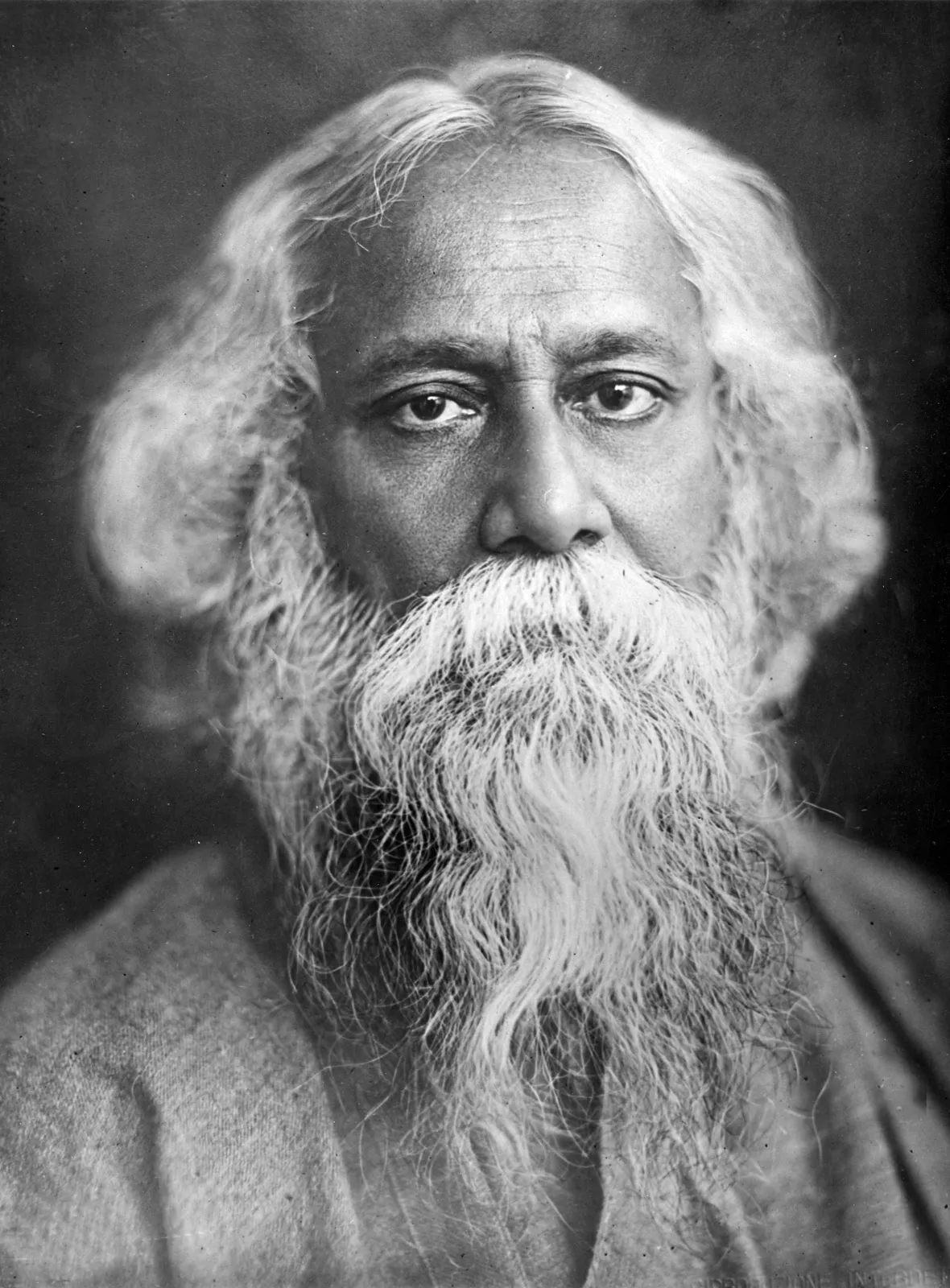
The Fragile Essence of Beauty
Rabindranath Tagore's poignant observation, "By plucking her petals you do not gather the beauty of the flower," invites us to reflect on the nature of beauty and the often misguided attempts to possess it. This quote serves as a gentle reminder that true beauty cannot be captured or owned; it exists in the ephemeral and the intangible. In a world that often prioritizes possession over appreciation, Tagore's words urge us to reconsider our relationship with beauty, urging us to cultivate a deeper understanding of what it means to truly see and honor it.
As we delve into the essence of this quote, we uncover layers of meaning that resonate with our contemporary experiences. The act of plucking petals symbolizes a desire to control or possess beauty, yet in doing so, we risk losing the very essence that makes it beautiful. This tension between desire and appreciation is a central theme in many spiritual traditions, including Tagore's own Hindu context, where the interplay of attachment and detachment shapes our understanding of the world around us. By exploring this quote, we open ourselves to a broader contemplation of beauty, wisdom, and the art of seeing.
The image / the metaphor
The imagery in Tagore's quote evokes a delicate flower, its petals representing the fleeting moments of beauty that grace our lives. The verb "plucking" carries with it a sense of violence and finality, suggesting that in our attempts to possess beauty, we inadvertently strip it of its life and vibrancy. The act of gathering petals becomes a metaphor for our human tendency to seek control over that which is inherently transient. This imagery invites us to pause and consider the consequences of our actions, urging us to approach beauty with reverence rather than a desire to possess.
Diving deeper into the metaphor, we recognize that the flower itself embodies a profound wisdom. It flourishes in its natural state, inviting admiration without the need for ownership. In this light, the flower becomes a symbol of the interconnectedness of all things, reminding us that beauty exists in relationship, not isolation. By appreciating beauty in its entirety—its growth, its decay, and its fleeting moments—we cultivate a more profound understanding of existence itself. This perspective encourages us to embrace the transient nature of life, allowing beauty to unfold without the constraints of our desires.
In the speaker's tradition
Rabindranath Tagore's insights are deeply rooted in the Hindu tradition, where concepts such as dharma and bhakti illuminate the path toward understanding beauty and existence. Dharma, or the moral order of the universe, encourages us to act in harmony with the world around us, fostering a sense of respect for the beauty that surrounds us. Similarly, bhakti, the path of devotion, invites us to cultivate a loving relationship with the divine, recognizing that true beauty lies in surrender and appreciation rather than possession. Tagore's quote resonates with these principles, urging us to align our actions with the natural flow of life.
In the context of Tagore's work, we can draw parallels to the concept of sunyata, or emptiness, found in Buddhist philosophy. Just as sunyata teaches us that clinging to forms leads to suffering, Tagore's quote reminds us that our attempts to possess beauty can lead to a similar disillusionment. In his poetry, Tagore often explores the themes of impermanence and the beauty of the moment, echoing the wisdom found in both Hindu and Buddhist traditions. By embracing the transient nature of beauty, we can cultivate a deeper appreciation for the world around us.
Living the teaching
Consider a modern scenario where this teaching resonates: a moment spent in nature, perhaps during a walk in a park. As we admire the vibrant colors of flowers in bloom, we might feel an urge to pick a few to take home, to possess their beauty. However, if we pause to reflect on Tagore's words, we may choose instead to appreciate the flowers in their natural habitat, allowing their beauty to exist untainted by our desire to own it. This simple act of appreciation can transform our experience, inviting us to connect more deeply with the world around us.
In the realm of relationships, Tagore's teaching can also illuminate our interactions with others. When we seek to control or possess our loved ones, we risk stifling their essence and beauty. Instead, by embracing the idea that true connection lies in appreciation and acceptance, we can foster healthier, more fulfilling relationships. This approach encourages us to celebrate the unique qualities of those we care about, allowing them to flourish without the weight of our expectations. In both nature and relationships, Tagore's wisdom invites us to cultivate a spirit of reverence, seeing beauty as a shared experience rather than a commodity to be owned.
A reflection
As we contemplate Tagore's profound insight, we are left with a contemplative question: How can we shift our perspective from one of possession to one of appreciation in our daily lives? This inquiry invites us to explore the ways in which we engage with beauty, whether in nature, relationships, or our own selves. By reflecting on this question, we open ourselves to a deeper understanding of beauty's essence, allowing it to enrich our lives in ways that transcend mere ownership.


Join the BrightStar Community
Stay connected with daily inspiration, event announcements, and community wisdom