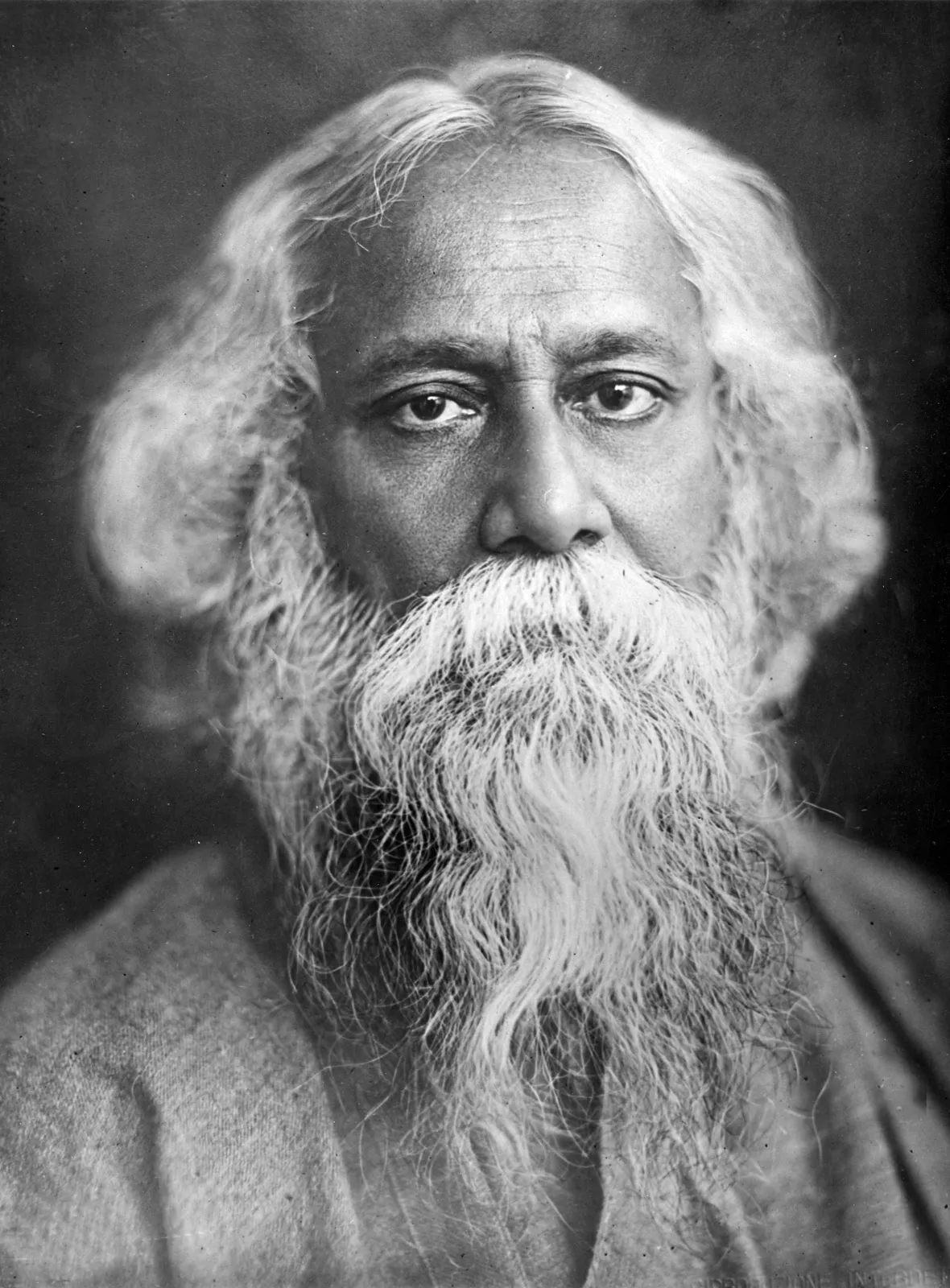
The Freedom Found in Patience
Rabindranath Tagore's poignant words, "Let me not crave in anxious fear to be saved but hope for the patience to win my freedom," invite us to reflect on the nature of our desires and the often tumultuous journey toward liberation. In a world rife with anxiety and urgency, Tagore urges us to shift our focus from a desperate yearning for salvation to a more profound understanding of patience as a pathway to true freedom. This distinction is not merely semantic; it speaks to the heart of our spiritual journey and the transformative power of patience in the face of life's challenges.
In this quote, Tagore encapsulates a fundamental tension within the human experience: the struggle between fear-driven desires and the serene acceptance of life's unfolding. The notion of craving, particularly when rooted in anxiety, often leads us to seek immediate relief or salvation, which can be fleeting and ultimately unsatisfying. Instead, Tagore invites us to cultivate a deeper hope—one that is grounded in patience and the understanding that true freedom is not a destination but a process, a gradual unfolding that requires our active participation and trust in the journey.
The image / the metaphor
At the heart of Tagore's quote lies a rich tapestry of imagery that evokes both the urgency of craving and the tranquility of patience. The verbs "crave" and "hope" create a stark contrast; craving is often associated with a frantic, almost desperate energy, while hope embodies a quiet, steadfast resolve. The phrase "anxious fear" conjures feelings of restlessness and turmoil, suggesting that the pursuit of salvation driven by fear can lead to a cycle of dissatisfaction. In contrast, the "patience to win my freedom" paints a picture of a journey marked by resilience and inner strength, where freedom is not simply granted but earned through enduring commitment.
Diving deeper into the metaphor, we can see that Tagore is not merely contrasting two states of being; he is inviting us to reframe our understanding of freedom itself. Freedom, in this context, is not an external condition to be achieved but an internal state of being that emerges from the cultivation of patience. This patience is akin to a seed planted in the soil of our hearts, requiring time, nurturing, and care to blossom into the full realization of our freedom. Thus, the imagery serves as a reminder that the path to liberation is often winding and requires us to embrace the process rather than rush toward an endpoint.
In the speaker's tradition
Rabindranath Tagore's insights are deeply rooted in the Hindu tradition, which emphasizes the importance of patience (sahasa) and the understanding of dharma, or one's righteous path. In this context, Tagore's call to seek patience rather than immediate salvation resonates with the concept of karma, where our actions and intentions shape our spiritual journey. The idea of kenosis, or self-emptying, also parallels Tagore's message, suggesting that true freedom comes from relinquishing our attachments and fears, allowing us to be open to the unfolding of life as it is meant to be.
Moreover, Tagore's thoughts echo the teachings found in the Bhagavad Gita, where Lord Krishna advises Arjuna to embrace his duty with patience and equanimity, rather than succumbing to fear and anxiety. The Gita teaches that liberation (moksha) is attained through selfless action and a deep understanding of one's place in the cosmos. In this light, Tagore's quote serves as a contemporary reminder of these timeless principles, urging us to cultivate patience as we navigate the complexities of our lives.
Living the teaching
Consider a modern scenario where this teaching can be applied: the pursuit of career success. In a fast-paced world, many individuals find themselves caught in a cycle of anxiety, constantly craving recognition and advancement. This craving can lead to burnout and dissatisfaction, as the relentless pursuit of external validation often overshadows the deeper fulfillment that comes from patience and personal growth. By embracing Tagore's wisdom, one might shift their focus from anxious striving to a patient commitment to their craft, allowing their skills and contributions to develop organically over time.
This teaching can also be profoundly relevant in personal relationships. Imagine a situation where misunderstandings arise between partners, leading to frustration and a desire for immediate resolution. In such moments, the craving for quick fixes can exacerbate tensions, while the practice of patience allows for deeper understanding and healing. By embodying Tagore's call to cultivate hope and patience, individuals can create space for authentic dialogue and connection, ultimately leading to a more profound sense of freedom within the relationship.
A reflection
As we contemplate Tagore's profound words, we are invited to reflect on our own lives: In what areas do we find ourselves craving immediate salvation or relief? How might we cultivate the patience necessary to embrace the journey toward our own freedom? This contemplative question encourages us to explore the balance between our desires and the deeper understanding that true liberation often requires time, resilience, and a willingness to trust the process of life.




Join the BrightStar Community
Stay connected with daily inspiration, event announcements, and community wisdom