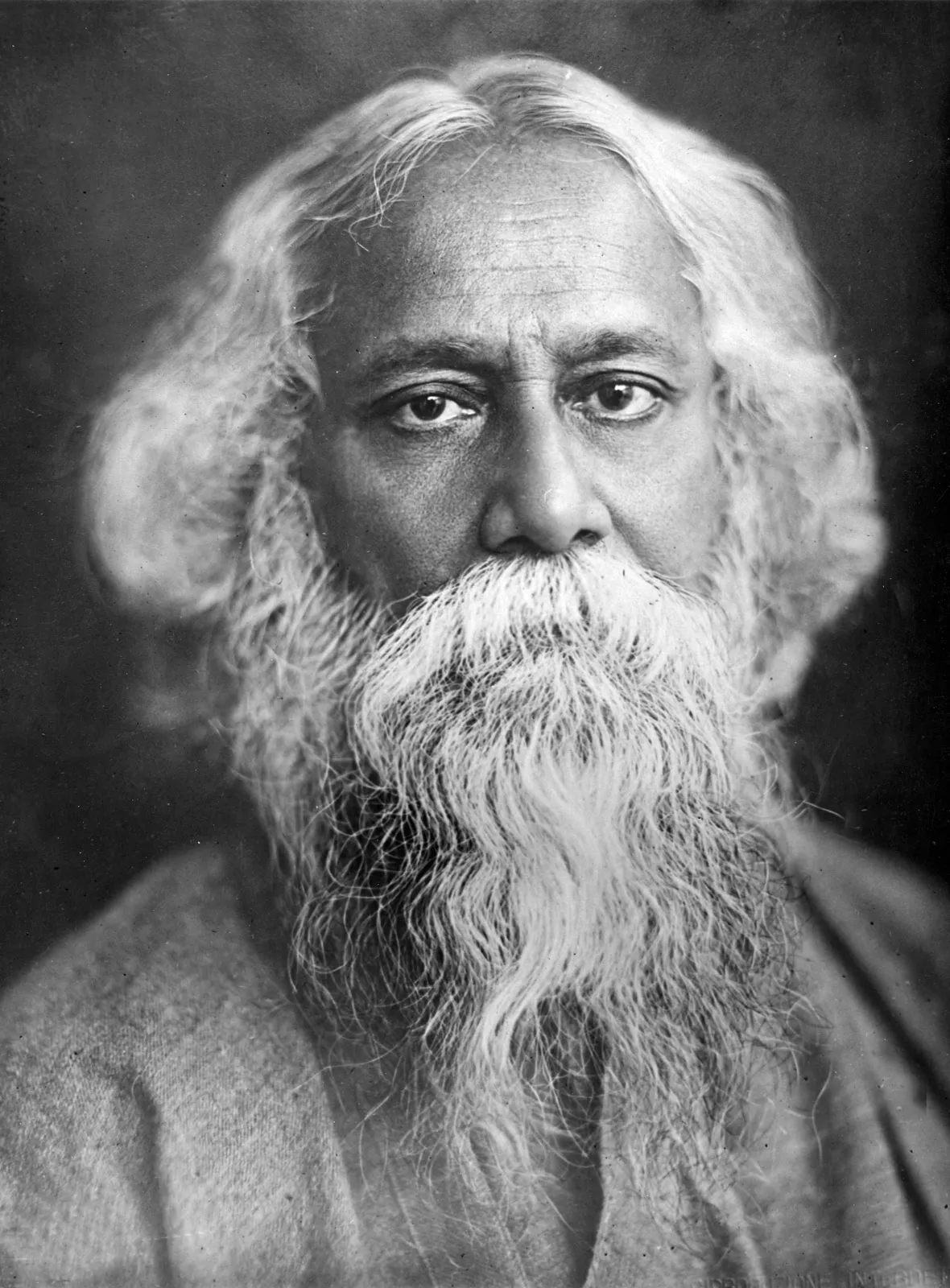
The Dance of Existence: Embracing the Ephemeral
Rabindranath Tagore invites us to envision our lives as a delicate dance upon the fleeting edges of time, akin to dew resting lightly on a leaf. This imagery evokes a sense of grace and transience, urging us to appreciate the beauty of each moment without becoming burdened by the weight of existence. In a world often dominated by urgency and distraction, Tagore's words remind us of the importance of living lightly, embracing the ephemeral nature of life while finding joy in its simplicity.
To dance lightly on the edges of time is to cultivate a profound awareness of the present, to recognize that each moment is both precious and impermanent. This perspective encourages us to let go of the heavy burdens of regret and anxiety, allowing ourselves to be fully present in the now. Tagore's metaphor serves as a gentle nudge towards a more mindful existence, one that celebrates the beauty of life’s fleeting moments while acknowledging the inevitability of change.
The image / the metaphor
Tagore's imagery of dew on a leaf is rich with sensory detail and emotional resonance. The dew, glistening in the morning light, symbolizes purity, freshness, and the transient beauty of nature. The choice of the verb "dance" suggests movement, joy, and a lightness of being, evoking a sense of freedom and spontaneity. This delicate balance between the ephemeral and the beautiful captures the essence of life itself, where moments come and go, yet leave an indelible mark on our hearts.
Delving deeper into the metaphor, we find that the dew represents not only beauty but also the interconnectedness of all life. Just as dew forms from the moisture in the air, our experiences are shaped by the environment around us. The dance on the edges of time suggests a playful engagement with life, where we are invited to participate fully without clinging to permanence. This lightness allows us to navigate the complexities of existence with grace, reminding us that beauty often resides in the transient and the fleeting.
In the speaker's tradition
Rabindranath Tagore's philosophy is deeply rooted in the Hindu tradition, where concepts such as dharma and bhakti resonate with the themes of lightness and beauty. Dharma, the moral order of the universe, encourages us to live in harmony with our true nature, while bhakti emphasizes devotion and love for the divine. Tagore’s call to dance lightly on the edges of time aligns with the idea of kenosis, or self-emptying, where one relinquishes attachments to embrace the fullness of existence in the present moment.
In his work, Tagore often draws upon the notion of sunyata, or emptiness, which invites us to recognize the impermanence of all things. This perspective is echoed in the teachings of the Bhagavad Gita, where Lord Krishna encourages Arjuna to act without attachment to the fruits of his actions. By embracing the lightness of being, we can engage with life more fully, allowing ourselves to experience the beauty of each moment without the weight of expectation or fear.
Living the teaching
Consider a modern scenario where the teaching of dancing lightly on the edges of time can be applied: a busy professional facing the pressures of deadlines and expectations. In this context, the invitation to embrace lightness becomes a powerful tool for navigating stress. By consciously choosing to approach each task with a sense of playfulness and presence, rather than heaviness and anxiety, one can transform the work environment into a space of creativity and joy, allowing for greater productivity and fulfillment.
In relationships, this teaching can manifest as a gentle reminder to appreciate the fleeting moments shared with loved ones. During a difficult conversation, instead of clinging to past grievances or future worries, one can choose to engage with an open heart, allowing the dialogue to flow naturally. This lightness fosters deeper connections, as both parties become more attuned to the present moment, creating a space for understanding and compassion to flourish.
A reflection
As we contemplate Tagore's invitation to let our lives dance lightly on the edges of time, we are encouraged to reflect on our own relationship with the present moment. How often do we find ourselves weighed down by the past or anxious about the future? In what ways can we cultivate a sense of lightness in our daily lives, allowing ourselves to fully embrace the beauty of each fleeting moment? Let this question guide your contemplation as you seek to embody the grace and joy that Tagore so beautifully articulates.




Join the BrightStar Community
Stay connected with daily inspiration, event announcements, and community wisdom