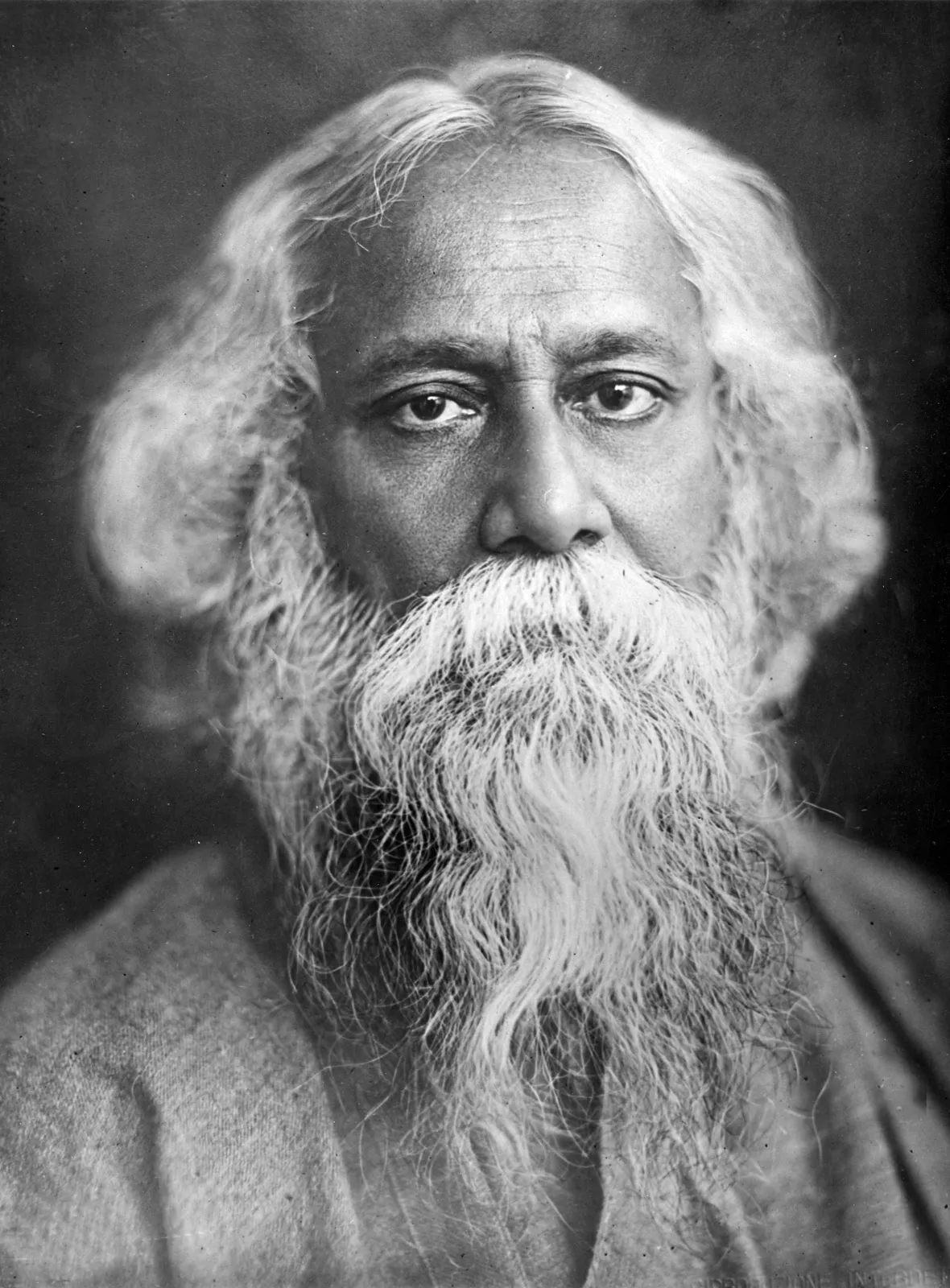
The Freedom of Love: A Contemplation on Tagore's Wisdom
Rabindranath Tagore's profound assertion that "Love does not claim possession but gives freedom" invites us to reconsider the very nature of love itself. In a world often characterized by possessiveness and attachment, this quote challenges us to embrace a more expansive understanding of love—one that liberates rather than confines. The stakes are high; our relationships, our sense of self, and our spiritual journeys hinge on how we interpret and embody this essential truth.
To love freely is to recognize that true affection does not seek to control or dominate another person. Instead, it nurtures the spirit and allows for growth, both individually and collectively. This perspective on love resonates deeply within the human experience, urging us to cultivate connections that are rooted in respect and mutual liberation. Tagore's wisdom serves as a gentle reminder that love, in its purest form, is an act of giving rather than a means of claiming.
The image / the metaphor
At the heart of Tagore's quote lies a powerful imagery that contrasts possession with freedom. The verb "claim" evokes a sense of ownership, suggesting a relationship where one party seeks to dominate or control the other. In stark contrast, the word "gives" embodies an act of generosity, an offering that enriches the lives of both the giver and the receiver. This duality creates a felt sense of tension between the instinct to possess and the higher calling to liberate.
Diving deeper into the metaphor, we can see that love, when it is genuine, acts as a catalyst for personal and spiritual growth. It encourages individuals to explore their own identities and aspirations without the weight of expectation or obligation. This freedom allows love to flourish, creating a space where both parties can evolve and thrive. In this light, Tagore's words illuminate the path toward a more authentic and fulfilling experience of love.
In the speaker's tradition
Rabindranath Tagore's insights are deeply rooted in the Hindu tradition, which emphasizes concepts such as bhakti, or devotional love, and the idea of selflessness in relationships. The notion of dharma, or one's duty, also plays a crucial role in understanding how love can be expressed without possessiveness. In this context, love becomes a sacred duty that fosters connection while allowing for individual freedom, echoing the principles of kenosis—the act of self-emptying for the sake of another.
Moreover, Tagore's perspective resonates with the Buddhist concept of sunyata, or emptiness, which teaches that attachment leads to suffering. Just as sunyata encourages the release of clinging, Tagore's assertion invites us to let go of possessive tendencies in love. In his work "Sadhana," Tagore articulates a vision of love that transcends the ego, inviting us to engage in relationships that are rooted in mutual respect and spiritual growth.
Living the teaching
Consider a modern scenario where this teaching can be applied: a friendship that has become strained due to jealousy and possessiveness. One friend may feel threatened by the other's new relationships or achievements, leading to a sense of ownership that stifles both individuals. By embracing Tagore's wisdom, they can learn to celebrate each other's successes and allow for personal growth, ultimately strengthening their bond through mutual freedom rather than control.
In romantic relationships, the challenge of possessiveness often surfaces during moments of insecurity. When one partner feels the need to assert control over the other, it can lead to conflict and resentment. By embodying the principle that love gives freedom, both partners can cultivate a relationship based on trust and support. This shift not only enhances their connection but also fosters an environment where both individuals can flourish as their authentic selves.
A reflection
As we contemplate Tagore's assertion that "Love does not claim possession but gives freedom," we are invited to reflect on our own relationships. Are there areas in your life where you may be holding onto someone or something too tightly? Consider how you might practice letting go, allowing love to flow freely and unencumbered. In this exploration, we may discover the transformative power of love that liberates rather than confines.




Join the BrightStar Community
Stay connected with daily inspiration, event announcements, and community wisdom