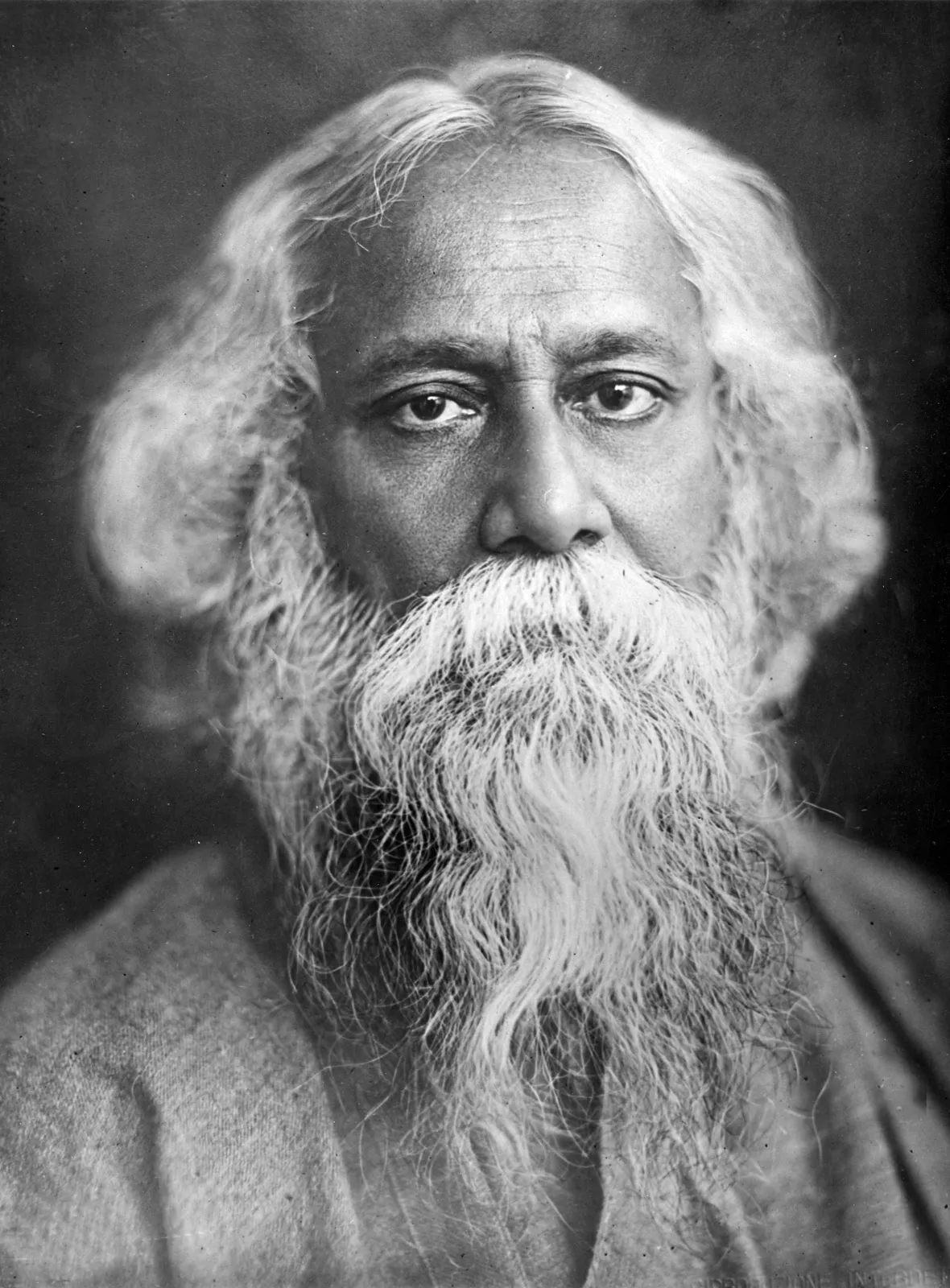
Finding Peace Amidst Sorrow: The Wisdom of Tagore
Rabindranath Tagore's poignant reflection, "Sorrow is hushed into peace in my heart like the evening among the silent trees," invites us to explore the transformative power of sorrow. In this evocative imagery, Tagore suggests that sorrow, often perceived as a disruptive force, can be quieted and transformed into a profound sense of peace. This transformation is not merely a denial of sorrow but rather an acceptance and integration of it into the fabric of our being. Understanding this process is essential, as it reveals a pathway to inner tranquility amidst the inevitable challenges of life.
As we delve deeper into Tagore's words, we recognize that the evening, with its gentle descent into darkness, serves as a metaphor for the natural cycles of life. Just as day gives way to night, our experiences of sorrow can lead us to moments of stillness and reflection. The silent trees, standing tall and unwavering, symbolize the strength found in acceptance and the quietude that follows emotional turmoil. This imagery resonates with our own experiences, reminding us that peace often emerges not from the absence of sorrow but from our ability to embrace it with grace.
The image / the metaphor
Tagore's quote is rich with imagery that evokes a deep sense of tranquility. The phrase "sorrow is hushed" suggests a gentle silencing, as if sorrow itself can be calmed and soothed. The comparison to "the evening among the silent trees" paints a serene picture of nature, where the day's chaos gives way to the stillness of night. This imagery evokes a sensory experience, inviting us to feel the coolness of the evening air and the quiet rustle of leaves, creating a space where sorrow can be transformed into peace.
Diving deeper into the metaphor, we see that the evening represents a transitional phase, a liminal space where light fades and darkness envelops the world. In this context, sorrow can be viewed as a necessary part of our emotional landscape, akin to the fading light that prepares us for rest. The silent trees stand as witnesses to this transformation, embodying resilience and the capacity to endure. Through this lens, Tagore encourages us to recognize that peace is not the absence of sorrow but rather the acceptance of it, allowing it to settle within us like the calm of a tranquil evening.
In the speaker's tradition
Rabindranath Tagore's insights are deeply rooted in the Hindu tradition, which emphasizes the interconnectedness of all experiences, including sorrow and joy. Concepts such as *dharma*, the moral order of the universe, and *bhakti*, the path of devotion, highlight the importance of embracing all aspects of life. In this context, sorrow can be seen as a teacher, guiding us toward greater understanding and compassion. The notion of *kenosis*, or self-emptying, resonates here as well, suggesting that by letting go of our attachments to sorrow, we can create space for peace to flourish.
Tagore's work often reflects the philosophical underpinnings found in texts like the *Bhagavad Gita*, where the acceptance of life's dualities is central to spiritual growth. In the Gita, Krishna advises Arjuna to embrace his duty without attachment to the outcomes, a teaching that parallels Tagore's message. Just as Arjuna learns to navigate his sorrow and confusion on the battlefield, we too can find peace by acknowledging our emotional struggles and allowing them to guide us toward a deeper understanding of ourselves and the world around us.
Living the teaching
Consider a modern scenario where this teaching resonates: a person grappling with the loss of a loved one. Initially, the weight of sorrow can feel overwhelming, a storm that disrupts the very fabric of daily life. However, as time passes, moments of reflection may arise, allowing the individual to find peace in cherished memories and the love that remains. This process mirrors Tagore's imagery, where sorrow is hushed into a quiet acceptance, transforming grief into a source of strength and connection.
In relationships, the teaching can manifest during conflicts or misunderstandings. When faced with emotional turmoil, one might feel the urge to react defensively or withdraw. However, by embracing the discomfort and allowing it to settle, individuals can cultivate a deeper understanding of their emotions and those of their partner. This practice of silence and reflection can lead to reconciliation and a renewed sense of peace, echoing Tagore's wisdom that sorrow can indeed be transformed into tranquility.
A reflection
As we contemplate Tagore's profound words, we are invited to consider: How can we embrace our sorrows as pathways to peace? This question encourages us to reflect on our own experiences and the ways in which we might transform our emotional struggles into opportunities for growth and understanding. In the stillness of our hearts, may we find the courage to face our sorrows, allowing them to guide us toward a deeper sense of inner peace.


Join the BrightStar Community
Stay connected with daily inspiration, event announcements, and community wisdom