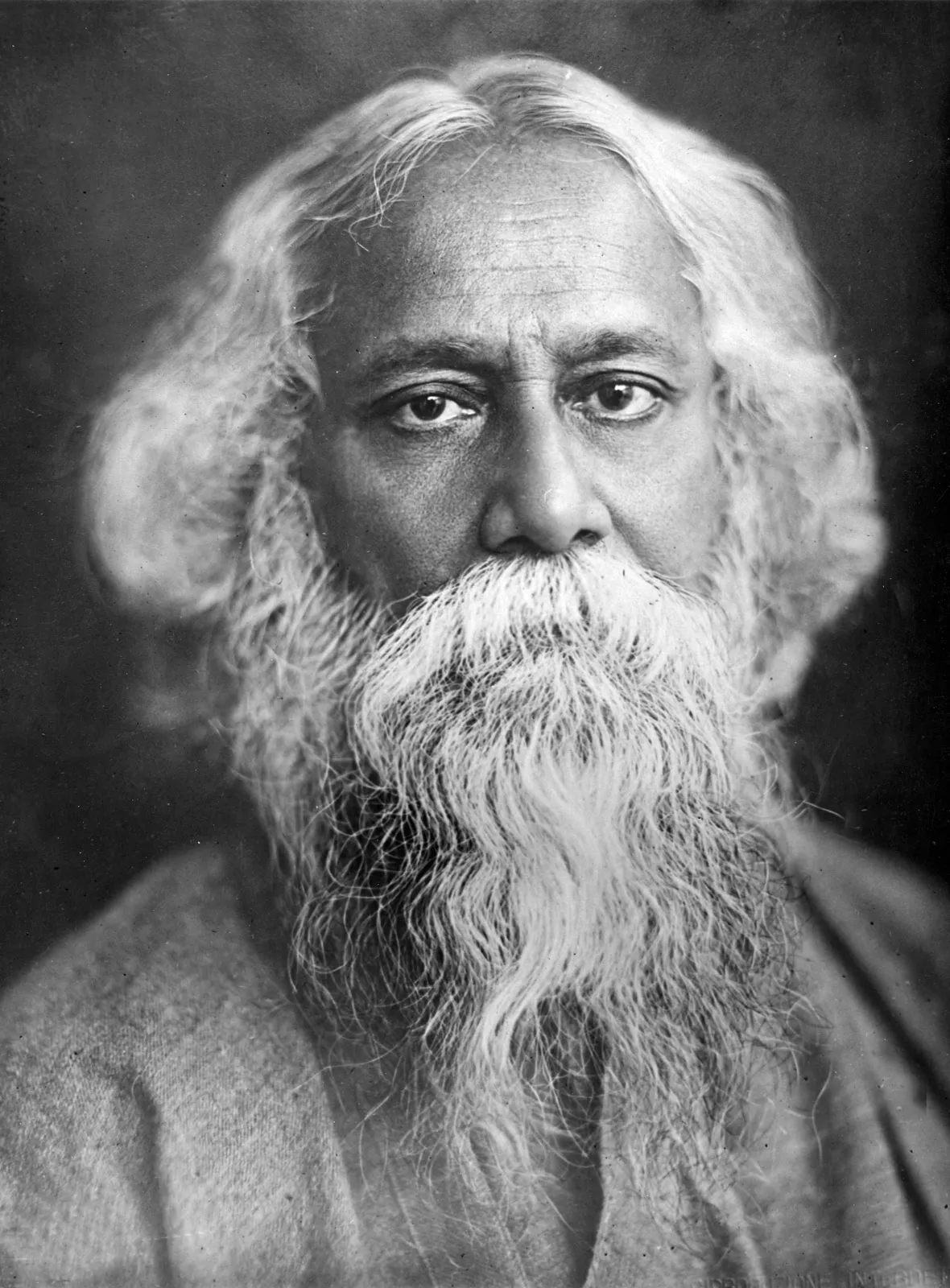
The Timeless Dance of Moments
Rabindranath Tagore's poignant observation, "The butterfly counts not months but moments, and has time enough," invites us to reconsider our relationship with time. In a world often dominated by schedules and deadlines, this quote serves as a gentle reminder to embrace the present, to savor the fleeting beauty of each moment. It challenges us to shift our focus from the relentless ticking of the clock to the richness of our experiences, suggesting that true fulfillment lies not in the quantity of time but in the quality of our awareness.
Tagore's words resonate deeply in a culture that frequently equates success with productivity and time management. By invoking the image of a butterfly, he evokes a sense of grace and transience, urging us to appreciate the ephemeral nature of life. This perspective is not merely a call to mindfulness; it is an invitation to engage with the world in a way that honors the beauty of the present. In doing so, we discover that time, when experienced fully, becomes a vast expanse rather than a constraining measure.
The image / the metaphor
The imagery of the butterfly is rich and layered, evoking a sense of lightness and freedom. Butterflies, with their delicate wings and fleeting presence, symbolize transformation and the beauty of impermanence. The choice of the verb "counts" suggests an active engagement with time, contrasting sharply with the passive accumulation of months. In this way, Tagore emphasizes that moments—those brief instances of joy, wonder, and connection—are what truly enrich our lives, rather than the mere passage of time.
In the speaker's tradition
Rabindranath Tagore's insights are deeply rooted in the Hindu tradition, which emphasizes the importance of presence and awareness in the journey of life. Concepts such as dharma, or one's duty, and bhakti, the path of devotion, encourage individuals to engage fully with their experiences. Tagore's perspective aligns with the idea of kenosis, the self-emptying of one’s own desires to embrace the fullness of the moment. This approach invites us to transcend the limitations of time and to find meaning in the here and now.
Moreover, Tagore's emphasis on moments resonates with the Buddhist concept of sunyata, or emptiness, which teaches that all phenomena are transient and interconnected. In this light, the butterfly's existence becomes a metaphor for the realization that life is a series of interconnected moments, each worthy of our attention and appreciation. Tagore's work, particularly in "Stray Birds," reflects this understanding, encouraging readers to embrace the beauty of the present and to cultivate a sense of wonder in their everyday lives.
Living the teaching
Consider a modern scenario where this teaching might resonate: a busy professional caught in the whirlwind of deadlines and meetings. In the rush to achieve goals and meet expectations, moments of joy—like a shared laugh with a colleague or the beauty of a sunset—are often overlooked. By adopting the butterfly's perspective, this individual could learn to pause, to breathe, and to appreciate the richness of each moment, transforming their experience of time from a relentless march to a dance of presence.
In relationships, the application of Tagore's teaching can be equally profound. Imagine a couple navigating the complexities of daily life, often distracted by their phones or the demands of work. By consciously choosing to be present with one another, to count moments rather than minutes, they can deepen their connection and cultivate a shared appreciation for the beauty in their interactions. This practice of presence not only enriches their relationship but also fosters a sense of gratitude for the time they share together.
A reflection
As we reflect on Tagore's wisdom, we might ask ourselves: How often do I find myself counting the minutes rather than savoring the moments? This contemplative question invites us to examine our relationship with time and to consider how we might cultivate a greater sense of presence in our lives. By embracing the butterfly's perspective, we can transform our experience of time, allowing each moment to unfold with beauty and grace.




Join the BrightStar Community
Stay connected with daily inspiration, event announcements, and community wisdom