Embracing the Colors of Life's Transitions
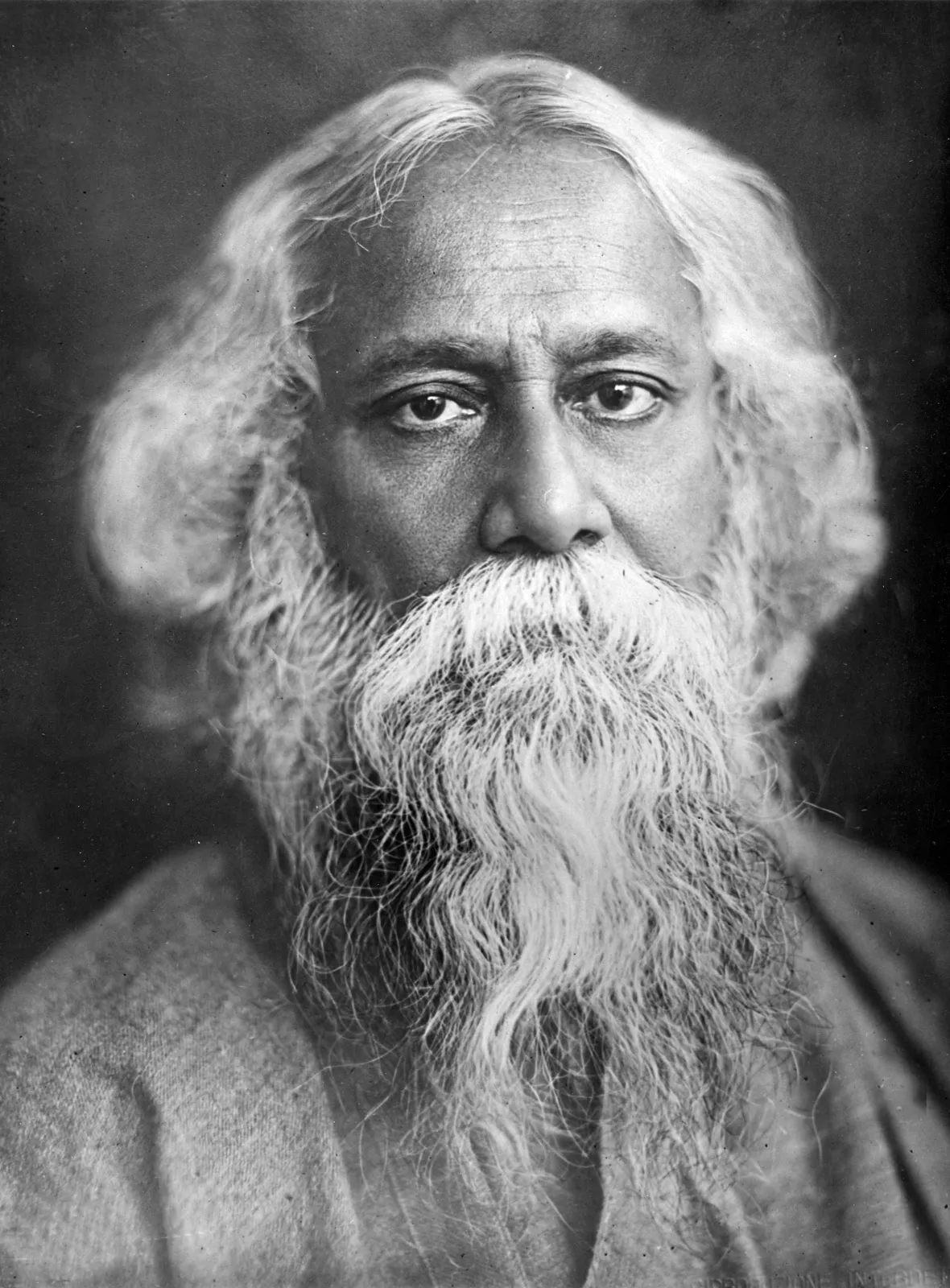
In the profound words of Rabindranath Tagore, "The clouds come floating into my life, no longer to carry rain or usher storm, but to add color to my sunset sky." This evocative statement invites us to reconsider our relationship with the challenges and uncertainties that life presents. Rather than viewing these clouds as harbingers of gloom, Tagore encourages us to see them as opportunities for beauty and transformation. This perspective shift is essential in a world often dominated by fear and anxiety, reminding us that acceptance can lead to a richer, more vibrant experience of life.
Tagore's imagery of clouds transforming from storm-bringers to enhancers of a sunset speaks to the heart of human experience. It suggests that acceptance of life's inevitable changes can lead to a deeper appreciation of beauty, even in moments of transition. The metaphor of the sunset, with its warm hues and fleeting nature, serves as a poignant reminder that life is a series of ephemeral moments, each colored by our perceptions and attitudes. By embracing this perspective, we can cultivate a sense of peace and gratitude, allowing us to navigate life's complexities with grace.
The image / the metaphor
The imagery in Tagore's quote is rich and layered, evoking a sense of serenity amidst the chaos of existence. The clouds, often associated with rain and storms, symbolize the challenges and difficulties we encounter. However, Tagore reframes these clouds as mere visitors in our lives, suggesting that they do not come to disrupt but to enhance our experience. The verbs chosen—"floating" and "add"—convey a sense of ease and gentleness, inviting us to adopt a more relaxed stance toward life's unpredictability.
Diving deeper into the metaphor, we can see that the clouds represent the trials and tribulations that often accompany our journey. Yet, by allowing these experiences to coexist with our moments of beauty, we can create a more nuanced understanding of life. The sunset, with its breathtaking colors, symbolizes the culmination of experiences, both joyful and sorrowful. Tagore's invitation is to embrace the full spectrum of our emotional landscape, recognizing that even the darkest clouds can contribute to the richness of our sunset sky.
In the speaker's tradition
Rabindranath Tagore's insights are deeply rooted in the Hindu tradition, which emphasizes the interconnectedness of all experiences. Concepts such as dharma, or the moral order of the universe, suggest that every challenge we face serves a purpose in our spiritual growth. The idea of kenosis, or self-emptying, resonates with Tagore's message, as it encourages us to release our attachments to outcomes and embrace the present moment. This acceptance aligns with the notion of sunyata, or emptiness, which teaches that true beauty arises from the acceptance of impermanence.
In Tagore's work, we can find echoes of the Bhagavad Gita, where the importance of seeing beyond the dualities of life is emphasized. Just as Arjuna learns to embrace his duty without attachment to the results, Tagore's clouds remind us that our challenges can lead to profound beauty if we approach them with an open heart. This perspective invites us to cultivate bhakti, or devotion, to the journey itself, allowing us to find joy in the process rather than fixating solely on the destination.
Living the teaching
Consider a modern scenario where this teaching resonates: a person facing a significant life change, such as a job loss or the end of a relationship. Initially, the individual may perceive these clouds as overwhelming storms, filled with uncertainty and fear. However, by embracing Tagore's perspective, they can begin to see these challenges as opportunities for growth and self-discovery. This shift in perception allows them to explore new paths, ultimately leading to a more colorful and fulfilling sunset in their life.
In a different context, imagine a relationship that has become strained due to misunderstandings and unresolved conflicts. Instead of viewing these difficulties as insurmountable obstacles, one partner might choose to see them as clouds that can add depth to their connection. By approaching the situation with acceptance and a willingness to communicate openly, they can transform the tension into an opportunity for deeper intimacy and understanding. This practice of embracing challenges can lead to a more vibrant and resilient relationship, echoing Tagore's vision of a sunset enriched by the colors of experience.
A reflection
As we contemplate Tagore's profound words, we are invited to reflect on our own lives: How do we perceive the clouds that float into our existence? Are we able to see them as opportunities for beauty and transformation, or do we allow them to overshadow our sunsets? This contemplative question encourages us to examine our attitudes toward life's challenges and to consider how acceptance can lead to a more vibrant and fulfilling experience. In embracing the full spectrum of our emotional landscape, we may find that our sunsets are indeed painted with the most exquisite colors.




Join the BrightStar Community
Stay connected with daily inspiration, event announcements, and community wisdom