Embracing the Humble Veil of Nature
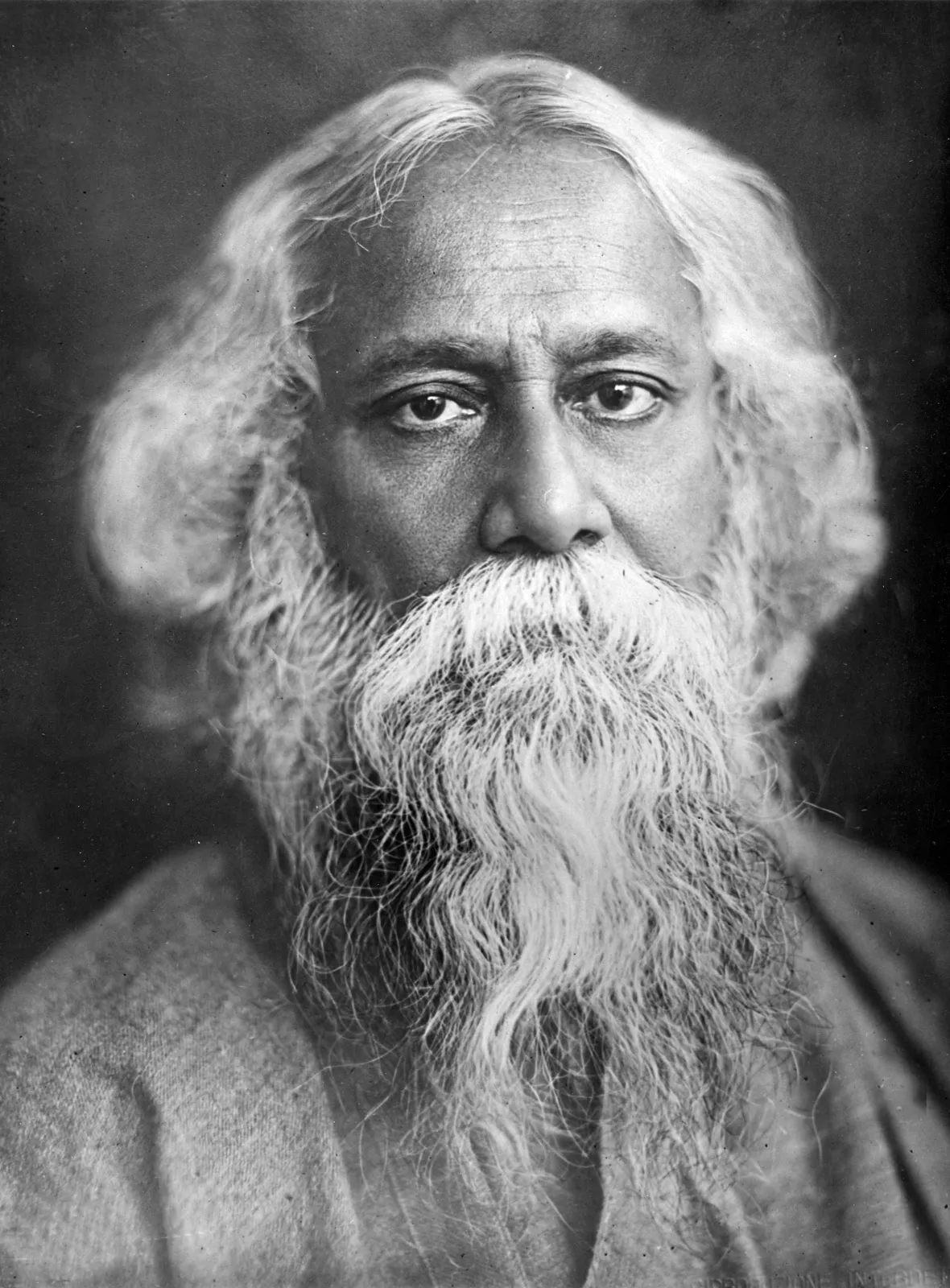
In the evocative words of Rabindranath Tagore, "The clouds fill the watercups of the river, hiding themselves in the distant hills." This imagery invites us to reflect on the interconnectedness of nature and the humility inherent in our existence. Tagore's poetic expression serves as a reminder that we are part of a larger tapestry, where elements of the natural world interact in profound ways, often beyond our immediate perception. The clouds, while seemingly separate, contribute to the river's essence, illustrating how our lives are intertwined with the world around us.
As we delve deeper into this quote, we uncover layers of meaning that resonate with the human experience. The act of clouds filling watercups suggests a nurturing quality, a gentle provision that often goes unnoticed. In a world that frequently emphasizes individualism and separation, Tagore's words beckon us to recognize the beauty of humility and the importance of our role within the greater whole. This contemplation invites us to consider how we, too, can contribute to the collective well-being of our environment and community.
The image / the metaphor
At first glance, the imagery of clouds filling watercups evokes a serene landscape, where the natural elements engage in a harmonious dance. The choice of verbs—"fill" and "hide"—carries a duality that speaks to both abundance and concealment. The clouds, often associated with transience and change, serve as a metaphor for the ephemeral nature of life itself. They are not merely passive observers; they actively participate in the cycle of water, nourishing the river while simultaneously obscuring their own presence in the hills.
Diving deeper into the metaphor, we can see that the clouds represent the unseen forces that shape our lives. Just as the clouds contribute to the river's flow, so too do the unseen influences in our lives—our relationships, our thoughts, and our spiritual practices—nurture our growth. The act of hiding suggests that true essence often lies beneath the surface, urging us to look beyond appearances and recognize the interconnectedness of all things. This invites a contemplation of humility, as we acknowledge that our understanding is limited and that we are part of a larger, intricate design.
In the speaker's tradition
Rabindranath Tagore's insights are deeply rooted in the Hindu tradition, which emphasizes concepts such as dharma, the moral order of the universe, and bhakti, the devotion that connects the individual to the divine. The imagery of clouds and rivers resonates with the idea of sunyata, or emptiness, where the clouds symbolize the transient nature of existence and the river represents the flow of life. In this context, Tagore's quote encourages us to embrace humility, recognizing that we are but a small part of a vast cosmos, and that our actions ripple through the interconnected web of life.
In the Bhagavad Gita, a foundational text of Hindu philosophy, the concept of selflessness and duty is paramount. Krishna advises Arjuna to act without attachment to the fruits of his actions, embodying the essence of humility and service. Tagore's metaphor aligns with this teaching, as it suggests that true fulfillment comes not from seeking recognition but from understanding our role in the greater whole. Just as the clouds serve the river, we too are called to contribute to the world around us, often in ways that remain unseen.
Living the teaching
Consider a modern scenario where this teaching can be applied: a community garden project. In this setting, individuals come together to cultivate a shared space, each contributing their unique skills and efforts. The act of planting seeds, nurturing growth, and harvesting produce embodies the essence of Tagore's quote. Just as the clouds fill the river, the collective efforts of the community nourish the garden, creating a space that benefits all. This collaboration fosters a sense of humility, as participants recognize that their contributions, while significant, are part of a larger endeavor.
In the realm of personal relationships, Tagore's wisdom can also illuminate our interactions. Imagine a moment of conflict with a loved one, where pride and ego threaten to overshadow understanding. By embracing the humility suggested in Tagore's quote, one can approach the situation with a mindset of service and empathy. Just as the clouds provide for the river, we can choose to fill our relationships with compassion and patience, recognizing that our connections are enriched when we prioritize the well-being of others over our own desires. This practice of humility can transform difficult moments into opportunities for growth and deeper connection.
A reflection
As we contemplate Tagore's profound words, we are invited to ask ourselves: In what ways can I embrace humility in my life, recognizing my interconnectedness with the world around me? This question encourages a deep exploration of our actions and intentions, prompting us to consider how we can contribute to the greater good. By reflecting on our role within the tapestry of existence, we can cultivate a sense of gratitude and purpose, allowing the wisdom of nature to guide our journey.




Join the BrightStar Community
Stay connected with daily inspiration, event announcements, and community wisdom