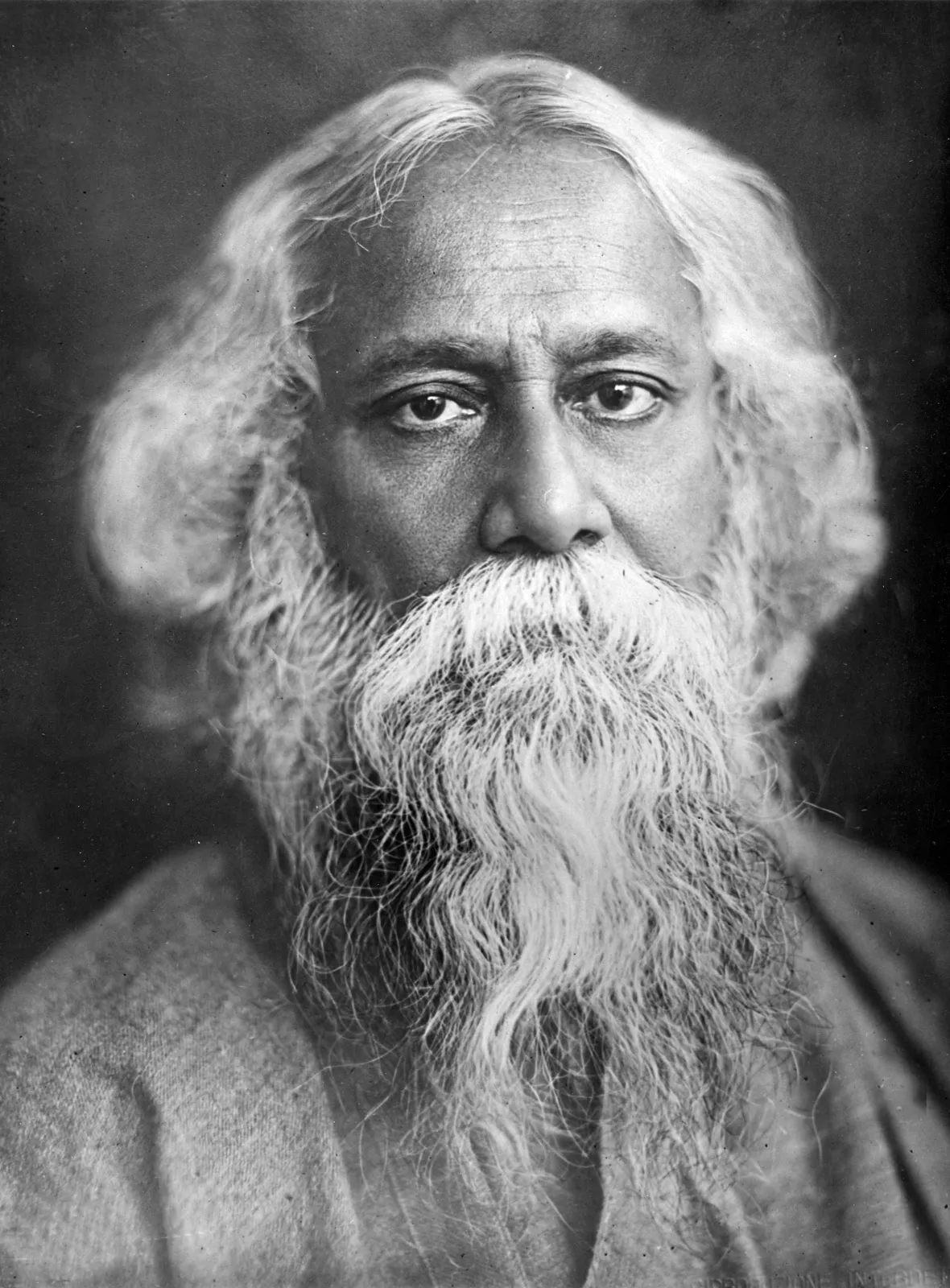
The Unbidden Arrival of the Divine
In this poignant reflection, Rabindranath Tagore expresses a profound realization of the divine's presence in his life, often unnoticed and uninvited. He acknowledges a time when he was unprepared for the sacred moments that unfolded, moments that carried the weight of eternity within their fleeting nature. This awareness invites us to consider how often we overlook the divine in our daily lives, urging us to cultivate a readiness to embrace grace as it manifests in the ordinary.
Tagore's words resonate deeply within the human experience, highlighting the tension between our busy lives and the quiet, persistent call of the divine. The imagery of a king entering unannounced evokes a sense of both humility and awe, reminding us that the sacred can arrive in the most unexpected forms. This quote serves as a gentle nudge to remain open and attentive, to recognize that every moment holds the potential for transcendence if we are willing to see it.
The image / the metaphor
Tagore's imagery is rich and layered, inviting us to visualize the divine as a regal figure, a king who enters our hearts without prior notice. The phrase "press the signet of eternity" suggests a powerful imprint left upon our lives, marking transient moments with a sense of timeless significance. The verbs chosen—“entering,” “press,” and “keep”—convey a dynamic relationship between the self and the divine, emphasizing both the action of the divine and the passive state of the individual.
Delving deeper into the metaphor, we can see that the king symbolizes not just divinity but also the inherent dignity and majesty of each moment. The fleeting nature of time is juxtaposed with the eternal, suggesting that while our lives may seem ephemeral, they are imbued with a deeper purpose and connection to the divine. This interplay invites us to reflect on how we might honor these moments, recognizing them as sacred opportunities for growth and understanding.
In the speaker's tradition
Rabindranath Tagore's insights are deeply rooted in the Hindu tradition, where concepts such as bhakti, or devotion, and dharma, or duty, play crucial roles in understanding our relationship with the divine. The notion of grace, or anugraha, is central to Tagore's reflection, as it emphasizes the unearned blessings that flow into our lives, often when we least expect them. This readiness for the divine, akin to the practice of kenosis—emptying oneself to receive—is a vital aspect of spiritual growth in Tagore's worldview.
In the context of Tagore's work, we can draw parallels to the Bhagavad Gita, where Krishna reminds Arjuna of the importance of surrendering to the divine will. Just as Arjuna learns to embrace his duty with an open heart, Tagore's reflection encourages us to remain receptive to the divine presence that permeates our existence. This surrender is not passive; rather, it is an active engagement with life, allowing the sacred to shape our experiences.
Living the teaching
Consider a modern scenario where this teaching might resonate: a busy professional, overwhelmed by deadlines and responsibilities, finds themselves rushing through each day without pausing to reflect. In such a life, the divine can easily go unnoticed, masked by the noise of daily obligations. However, if this individual were to cultivate a practice of mindfulness—taking a moment each day to breathe deeply and acknowledge the beauty around them—they might begin to recognize the sacred in the mundane, transforming fleeting moments into opportunities for connection with the divine.
In relationships, this teaching can manifest as a deeper awareness of the people we encounter. Imagine a moment of tension with a loved one, where frustration clouds our perception. By remembering Tagore's insight, we might choose to approach the situation with openness, allowing grace to enter the conversation. This shift in perspective can lead to healing and understanding, as we recognize that even in conflict, there lies the potential for divine connection and growth.
A reflection
As we contemplate Tagore's profound words, we are invited to ask ourselves: How often do I remain open to the divine presence in my life? This question encourages us to reflect on our daily practices and the ways we might cultivate a greater awareness of grace. By embracing this inquiry, we can begin to shift our perspective, allowing the sacred to illuminate our paths and transform our experiences into moments of eternal significance.


Join the BrightStar Community
Stay connected with daily inspiration, event announcements, and community wisdom