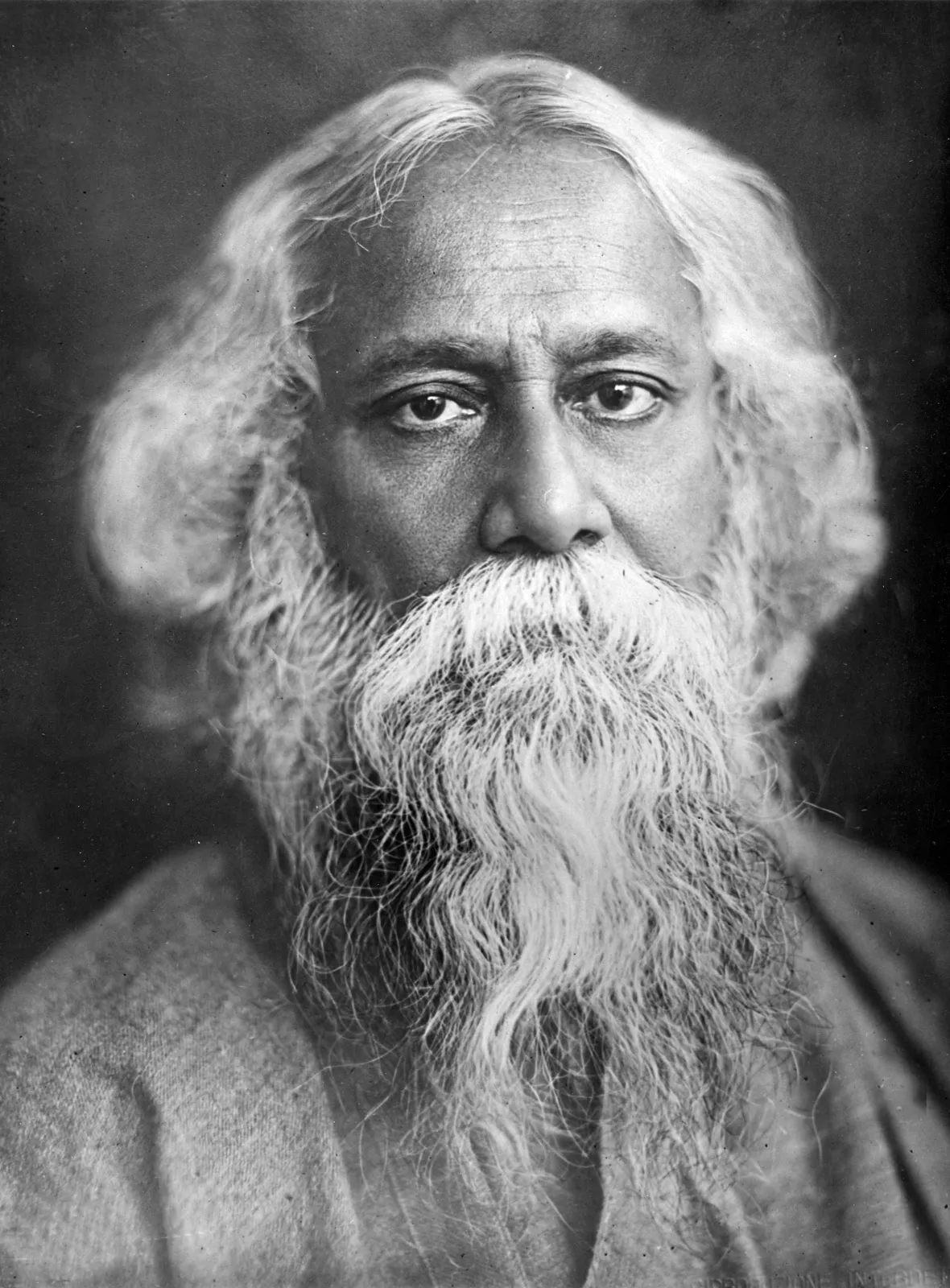
Embracing the Dance of Compassion
In the evocative words of Rabindranath Tagore, “The sands in your way beg for your song and your movement, dancing water. Will you carry the burden of their lameness?” This quote invites us to reflect on the interplay between our own vitality and the inertia we encounter in the world around us. It challenges us to consider whether we will allow the weight of others' struggles to stifle our own creative expression and movement. The stakes are high, as our ability to engage with life’s challenges can either uplift or diminish the collective spirit.
Tagore’s imagery of “dancing water” suggests a fluidity and grace that is inherently alive, contrasting sharply with the “lameness” of the sands. This dichotomy serves as a poignant reminder of our potential to bring joy and vitality into spaces that may feel stagnant or burdened. The question posed is not merely rhetorical; it beckons us to examine our own responses to the suffering we witness. Are we willing to share our song, to infuse life into the barren landscapes we encounter, or do we allow ourselves to be weighed down by the burdens of others?
The image / the metaphor
The imagery in Tagore's quote is rich and layered. The “sands” symbolize obstacles, challenges, or perhaps the emotional weight that can accumulate in our lives and in the lives of those around us. The phrase “beg for your song” evokes a sense of longing, as if the very essence of these sands yearns for the vibrancy that music and movement can bring. The metaphor of “dancing water” conjures images of fluidity, adaptability, and joy, suggesting that our natural state is one of movement and expression, rather than stagnation.
Diving deeper into the metaphor, we can see that the “burden of their lameness” speaks to the responsibility we hold in our relationships and communities. It challenges us to consider how we respond to the suffering of others. Do we allow their struggles to inhibit our own joy and creativity, or do we rise to the occasion, using our gifts to uplift and inspire? This dance between the vibrant and the stagnant is a call to action, urging us to engage with the world in a way that honors both our own spirit and the needs of those around us.
In the speaker's tradition
Rabindranath Tagore’s work is deeply rooted in the Hindu tradition, which emphasizes concepts such as dharma, the moral order of the universe, and bhakti, the path of devotion. In this context, the quote can be seen as a call to fulfill our dharma by using our unique gifts to serve others. The notion of kenosis, or self-emptying, resonates here as well; it invites us to let go of our own limitations and fears in order to become vessels of compassion and creativity. Tagore’s understanding of the interconnectedness of all beings aligns with the idea of sunyata, or emptiness, which teaches that our true nature is found in the space between self and other.
In Tagore’s poetry, we often find echoes of the Bhagavad Gita, particularly in the emphasis on selfless action. The Gita teaches that we must act without attachment to the fruits of our labor, which aligns beautifully with the essence of Tagore’s message. By offering our song and movement to the world, we engage in a form of devotion that transcends our individual desires, allowing us to contribute to the greater tapestry of life.
Living the teaching
Consider a modern scenario where this teaching resonates: a workplace filled with tension and unspoken grievances. In such an environment, the “sands” represent the collective struggles of colleagues who may feel unheard or undervalued. By choosing to bring our “song” into this space—whether through acts of kindness, open communication, or creative collaboration—we can transform the atmosphere. Our willingness to engage with compassion can inspire others to do the same, creating a ripple effect that uplifts the entire team.
Another application of this teaching can be found in personal relationships, particularly during difficult moments. Imagine a friend who is experiencing deep sorrow; their emotional “lameness” may weigh heavily on both of you. Instead of retreating into silence or allowing their pain to stifle your own joy, you might choose to share your own experiences, offering a listening ear or a comforting presence. In doing so, you not only honor their struggle but also allow your own spirit to shine, creating a shared space of healing and connection.
A reflection
As we contemplate Tagore’s profound words, we are invited to ask ourselves: In what ways can I bring my song to the sands in my life? This question encourages us to reflect on the areas where we may feel burdened by the struggles of others and challenges us to consider how we might respond with compassion and creativity. By embracing our role as “dancing water,” we can contribute to a world that is more vibrant, connected, and alive.


Join the BrightStar Community
Stay connected with daily inspiration, event announcements, and community wisdom