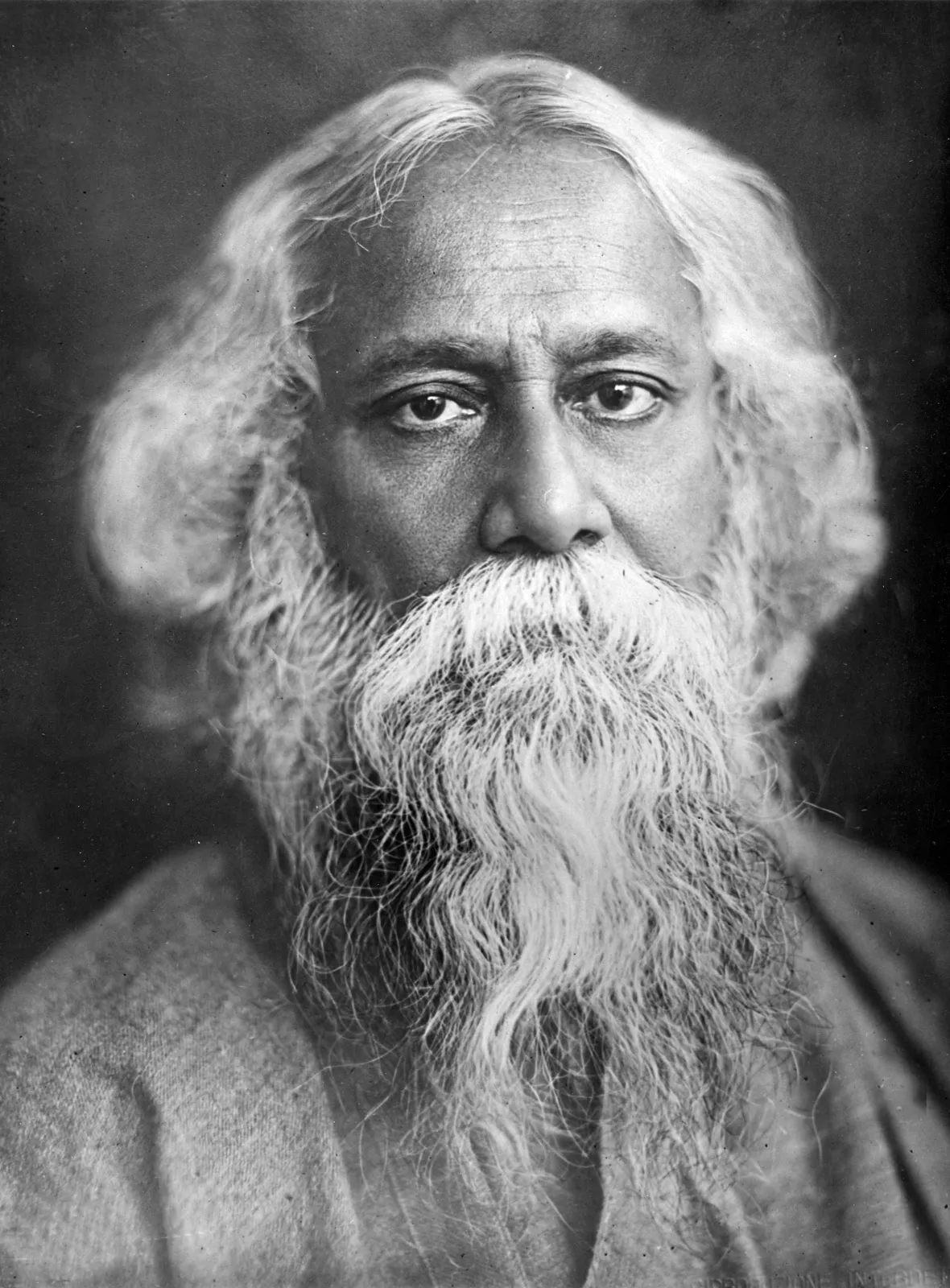
The Interwoven Tapestry of Existence
Rabindranath Tagore's assertion that "Things are what they are because of their relations to other things; we cannot understand the world by isolating ourselves from it" invites us to reconsider our perception of reality. This profound statement emphasizes the interconnectedness of all beings and phenomena, suggesting that isolation leads to a fragmented understanding of existence. In a world increasingly marked by division and separation, Tagore's words remind us of the importance of relationships in shaping our understanding of life and our place within it.
To grasp the essence of this quote is to recognize that our identities, experiences, and truths are not solitary constructs but rather the result of a complex web of interactions. The relationships we cultivate with others, nature, and even our own inner selves are fundamental to our comprehension of the world. Tagore's insight serves as a clarion call to embrace unity and connection, urging us to engage with the world around us rather than retreat into isolation.
The image / the metaphor
At the heart of Tagore's quote lies a vivid metaphor that evokes the image of a vast, interconnected tapestry. Each thread represents an individual or entity, and the way these threads intertwine creates a rich and intricate design. The verbs "are" and "understand" suggest a dynamic process; things do not exist in isolation but are defined by their relationships. This imagery invites us to feel the vibrancy of life, where every interaction contributes to the greater whole, and where understanding emerges not from detachment but from engagement.
Diving deeper into this metaphor, we can see that the tapestry is not merely a static representation of existence but a living, breathing entity. Each thread's movement affects the others, illustrating the fluidity of relationships. This interconnectedness implies that our actions, thoughts, and feelings resonate beyond ourselves, influencing the broader fabric of life. Thus, Tagore's words challenge us to recognize our role in this intricate design and to appreciate the beauty that arises from our connections with others.
In the speaker's tradition
Rabindranath Tagore's insights are deeply rooted in the Hindu tradition, which emphasizes the concept of unity in diversity. Central to this worldview is the idea of dharma, or the moral order that governs relationships among all beings. Tagore's perspective resonates with the notion of sunyata, or emptiness, which teaches that nothing exists independently; rather, all things are interdependent and arise in relation to one another. This understanding invites us to cultivate a sense of belonging and responsibility toward the world around us.
In Tagore's literary work, particularly in "Sadhana," he explores the theme of interconnectedness through the lens of bhakti, or devotion. This devotion is not limited to a personal relationship with the divine but extends to a profound love for all of creation. Tagore's reflections echo the teachings found in the Upanishads, where the essence of the self (Atman) is understood to be one with the universal spirit (Brahman). This unity invites us to transcend the illusion of separateness and embrace the interconnected nature of existence.
Living the teaching
Consider a modern scenario where this teaching resonates: a community facing a crisis, such as a natural disaster. In such moments, individuals often come together, transcending their differences to support one another. The relationships forged in these challenging times highlight the truth of Tagore's quote; understanding emerges not from individual efforts but from collective action and shared experiences. This unity in adversity illustrates the power of connection and the importance of recognizing our interdependence.
In a more personal context, think about a difficult moment in a relationship, perhaps a disagreement with a loved one. When we isolate ourselves in our perspectives, we risk misunderstanding and conflict. However, by engaging in open dialogue and seeking to understand the other person's viewpoint, we can cultivate empathy and strengthen our bond. This practice of relational understanding not only deepens our connections but also enriches our comprehension of ourselves and the world around us, embodying Tagore's wisdom in our daily lives.
A reflection
As we contemplate Tagore's profound assertion, we are invited to reflect on our own relationships and the ways they shape our understanding of the world. How do we engage with the interconnectedness of our lives? In what ways can we deepen our relationships to foster a greater sense of unity and understanding? These questions encourage us to explore the intricate web of existence and to embrace the beauty that arises from our connections with others.




Join the BrightStar Community
Stay connected with daily inspiration, event announcements, and community wisdom