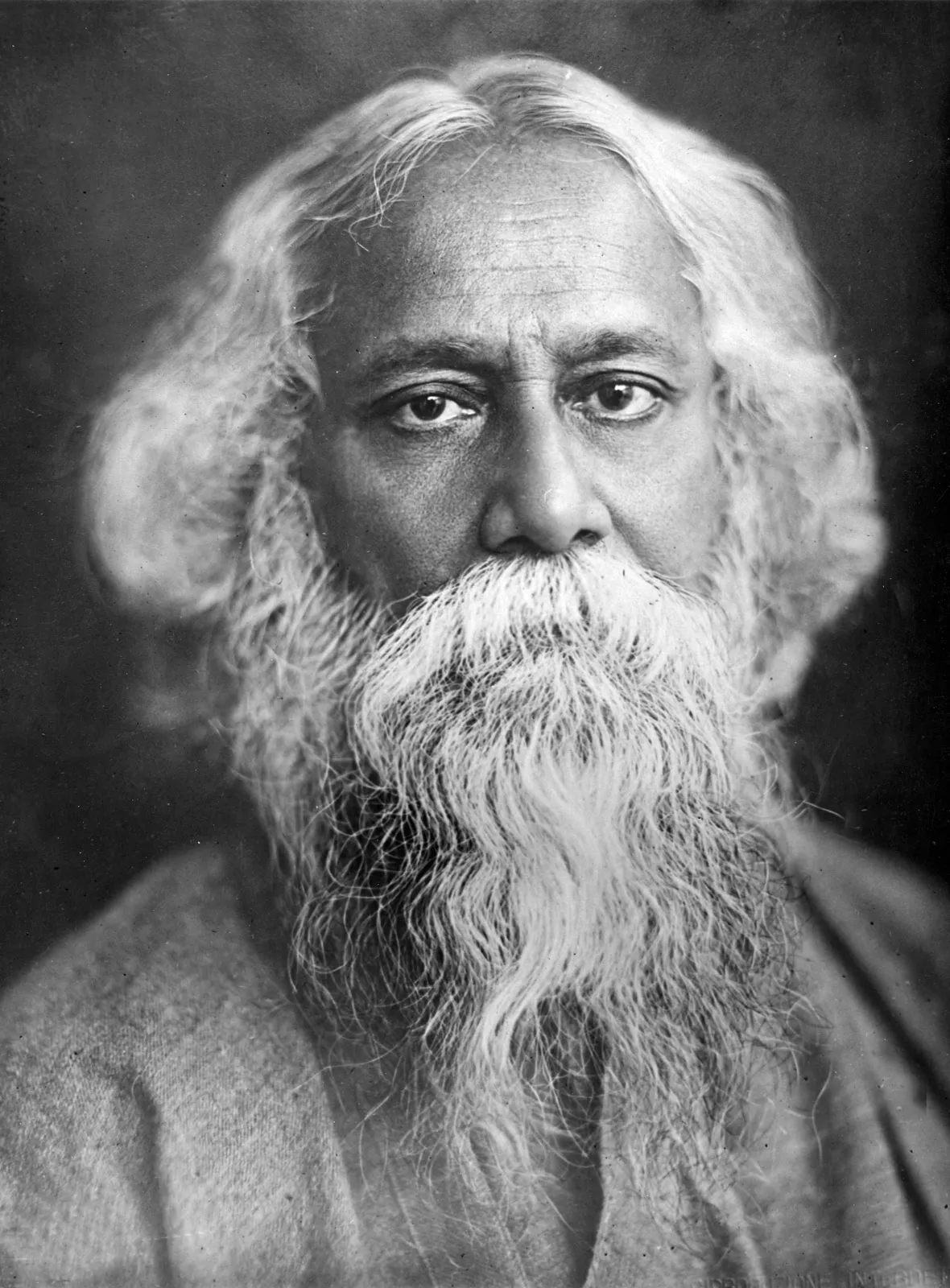
The Greatness of Humility: A Journey Within
Rabindranath Tagore's assertion that "we come nearest to the great when we are great in humility" invites us to reconsider our understanding of greatness itself. In a world often enamored with power, status, and achievement, Tagore's words remind us that true greatness is not found in outward displays of superiority but in the quiet strength of humility. This perspective challenges us to reflect on our values and the ways we measure success, urging us to seek a deeper connection with the essence of our being and the universe.
Humility, as Tagore suggests, is not merely a passive quality but an active engagement with the world that allows us to transcend our ego. It is through this lens that we can approach the divine, the sublime, and the profound truths of existence. By embracing humility, we open ourselves to the possibility of genuine connection with others and with the greater mysteries of life, fostering a sense of unity rather than division. This exploration of humility as a pathway to greatness is not just a philosophical inquiry; it is a call to embody a way of being that resonates with the deepest truths of our humanity.
The image / the metaphor
Tagore's quote employs a striking metaphor that juxtaposes the concepts of greatness and humility. The imagery evokes a sense of proximity to the "great," suggesting that greatness is not a distant ideal but something we can touch and experience. The choice of the word "nearest" implies a journey, a movement toward something profound that requires us to shed the layers of ego and pride that often separate us from our true selves. This journey is not about diminishing oneself but rather about recognizing the interconnectedness of all beings.
Diving deeper into the metaphor, we can see that humility serves as a bridge to the great. It is through the act of humbling ourselves that we align with the universal truths that bind us. In this sense, humility is not a sign of weakness but a powerful force that allows us to transcend our individual limitations. By embracing humility, we cultivate a fertile ground for wisdom, compassion, and understanding to flourish, ultimately leading us closer to the essence of greatness that Tagore speaks of.
In the speaker's tradition
Rabindranath Tagore's insights are deeply rooted in the rich tapestry of Hindu philosophy, where concepts such as dharma and bhakti illuminate the path toward spiritual fulfillment. In Hindu thought, humility is often linked to the idea of dharma, or righteous duty, which emphasizes the importance of selflessness and service to others. This aligns with the notion of kenosis, the self-emptying love that allows one to be filled with the divine. Tagore's perspective resonates with the teachings of the Bhagavad Gita, where the ideal of selfless action is celebrated as a means to attain spiritual liberation.
Moreover, Tagore's emphasis on humility can be compared to the Buddhist concept of sunyata, or emptiness, which invites practitioners to let go of attachments and ego-driven desires. In both traditions, the act of relinquishing the self opens the door to a deeper understanding of existence and the interconnectedness of all life. The wisdom found in Tagore's words echoes the teachings of the Upanishads, where the realization of the self as part of the greater whole is a central theme, encouraging us to embrace humility as a pathway to enlightenment.
Living the teaching
Consider a modern scenario where this teaching can be applied: in a workplace setting, where competition often reigns supreme. Imagine a team project where one member consistently seeks recognition and accolades, overshadowing the contributions of others. In this environment, the practice of humility can transform the dynamics. When individuals choose to celebrate each other's strengths and acknowledge collective efforts, the team not only thrives but also fosters a culture of collaboration and respect. This shift from individualism to humility can lead to greater innovation and success, illustrating Tagore's assertion that true greatness emerges from a humble heart.
In personal relationships, the application of humility can be equally profound. Picture a moment of conflict between partners, where pride and defensiveness threaten to create a rift. By embracing humility, one partner might choose to listen deeply and acknowledge their own shortcomings, creating space for vulnerability and healing. This act of humility not only diffuses tension but also deepens the connection, allowing both individuals to grow together. In these everyday moments, we see how Tagore's wisdom can guide us toward a more compassionate and fulfilling existence.
A reflection
As we contemplate Tagore's profound statement, we are invited to reflect on our own lives: How can we cultivate humility in our daily interactions? In what ways might our pursuit of greatness be clouded by ego, and how can we shift our focus toward a more humble approach? These questions encourage us to explore the delicate balance between self-assertion and selflessness, guiding us toward a deeper understanding of our place in the world and our connection to the greater whole.


Join the BrightStar Community
Stay connected with daily inspiration, event announcements, and community wisdom