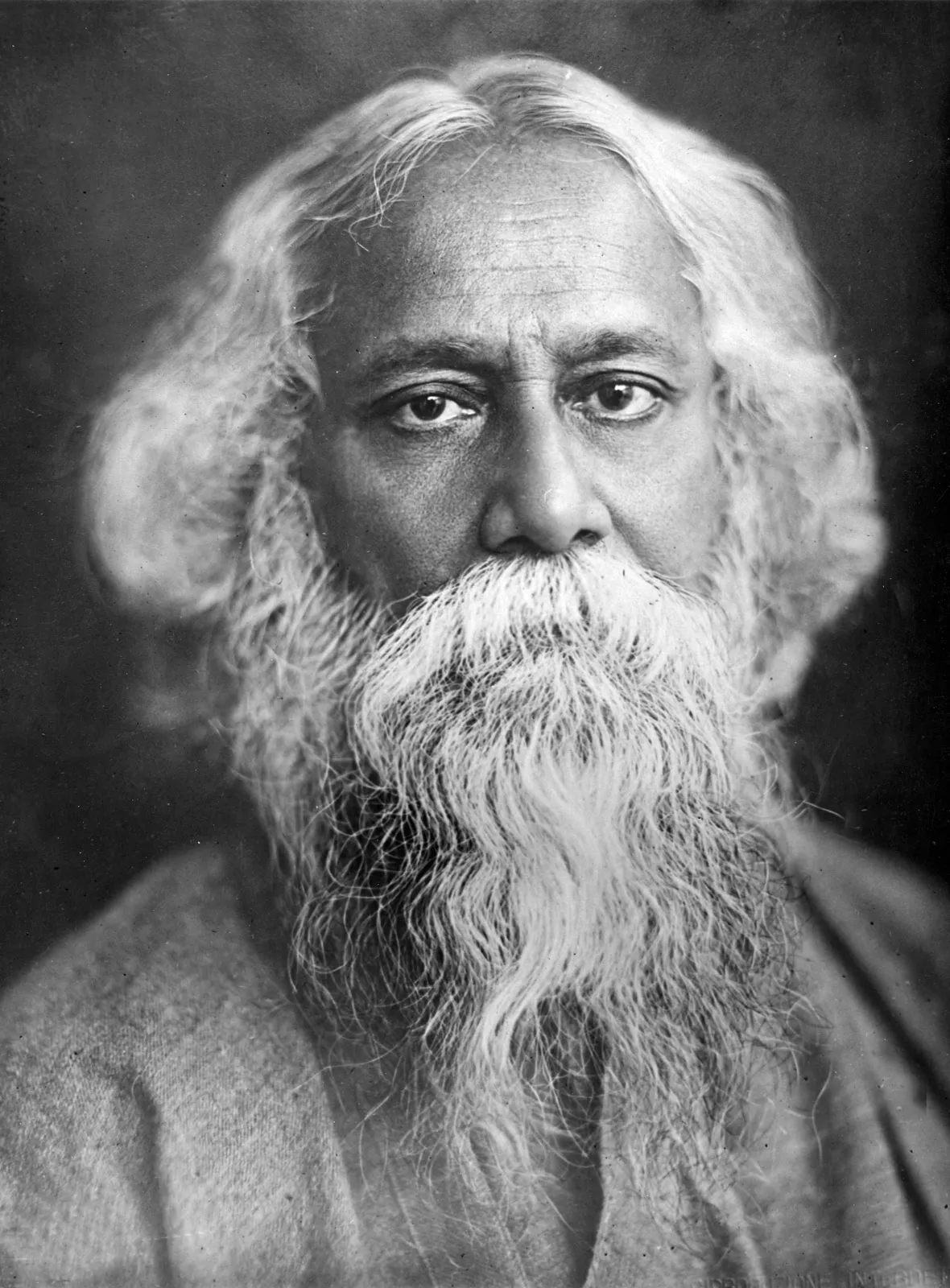
The Joy of Generosity: Embracing Abundance
Rabindranath Tagore's poignant assertion, "When we rejoice in our fulness, then we can part with our fruits with joy," invites us to explore the profound relationship between abundance and generosity. This statement suggests that true joy arises not from mere possession, but from the recognition of our own completeness. When we acknowledge our inherent richness, we can share our gifts with others without hesitation or fear. This perspective is vital in a world often marked by scarcity and competition, where the act of giving can feel burdensome rather than liberating.
Delving deeper, Tagore's words challenge us to reconsider our understanding of fulfillment. It is not merely about having enough but about recognizing the fullness that exists within us and around us. This inner abundance allows us to engage with the world from a place of joy rather than lack. The act of sharing becomes a celebration of our interconnectedness, a dance of giving and receiving that enriches both the giver and the receiver. In this light, Tagore's quote serves as a reminder that joy is not a solitary experience but a communal one, flourishing in the fertile ground of generosity.
The image / the metaphor
At the heart of Tagore's quote lies a vivid metaphor of fruitfulness. The imagery of "fruits" evokes not only the literal bounty of nature but also the intangible gifts we cultivate within ourselves—our talents, love, and wisdom. The verbs "rejoice" and "part" suggest an active engagement with our abundance; rejoicing implies a celebration of what we possess, while parting signifies a willingness to share. This duality captures the essence of a joyful life: one that is both appreciative and generous, where the act of giving is infused with delight rather than obligation.
Moreover, the metaphor extends beyond the individual to encompass the collective experience of humanity. When we rejoice in our own fullness, we contribute to a larger tapestry of abundance that benefits all. The act of sharing becomes a ripple effect, where one person's joy in giving inspires another to do the same. Thus, Tagore's imagery invites us to envision a world where abundance is not hoarded but celebrated, where the fruits of our labor nourish not just ourselves but the entire community.
In the speaker's tradition
Tagore's insights resonate deeply within the Hindu tradition, where concepts such as dharma and bhakti illuminate the path of selfless action and devotion. Dharma, often translated as duty or righteousness, encourages individuals to act in ways that contribute to the greater good. This aligns with Tagore's notion of sharing one's fruits joyfully, as it reflects a commitment to fulfilling one's responsibilities towards others. Similarly, bhakti, or devotion, emphasizes the importance of love and connection, suggesting that true fulfillment comes from our relationships with others and the divine.
In the context of Tagore's work, we can draw parallels with the teachings found in the Bhagavad Gita, where Lord Krishna imparts wisdom on selfless action. The Gita emphasizes that one should perform their duty without attachment to the results, echoing Tagore's sentiment that joy in giving arises from a place of inner abundance. This interconnectedness of self, duty, and joy highlights the spiritual richness that comes from recognizing our fullness and sharing it with the world.
Living the teaching
Consider a modern scenario where this teaching can take root: a community garden initiative. In this setting, individuals come together to cultivate a shared space, planting seeds not only in the soil but also in their relationships. As they nurture the garden, they experience the joy of abundance—fresh vegetables, flowers, and a sense of community. When harvest time arrives, the fruits of their labor are shared among all participants, transforming the act of giving into a celebration of collective effort and joy. Here, Tagore's wisdom manifests as a tangible experience of fulfillment and generosity.
Another application of this teaching can be found in personal relationships, particularly during challenging moments. Imagine a friend going through a difficult time; the instinct may be to hold back our support, fearing that we have little to offer. However, when we recognize our own emotional fullness—our capacity for empathy, understanding, and love—we can approach the situation with joy. By sharing our presence and support, we not only uplift our friend but also enrich our own experience, embodying Tagore's message that true joy lies in the act of giving from our abundance.
A reflection
As we contemplate Tagore's profound insight, we might ask ourselves: In what areas of my life do I feel a sense of fullness, and how can I share that joy with others? This question invites us to reflect on our unique gifts and the ways we can contribute to the world around us. By embracing our abundance and allowing it to flow outward, we not only enhance our own lives but also create a ripple effect of joy and generosity that can transform our communities.




Join the BrightStar Community
Stay connected with daily inspiration, event announcements, and community wisdom