Embracing Fearlessness: The Path to Knowledge and Dignity
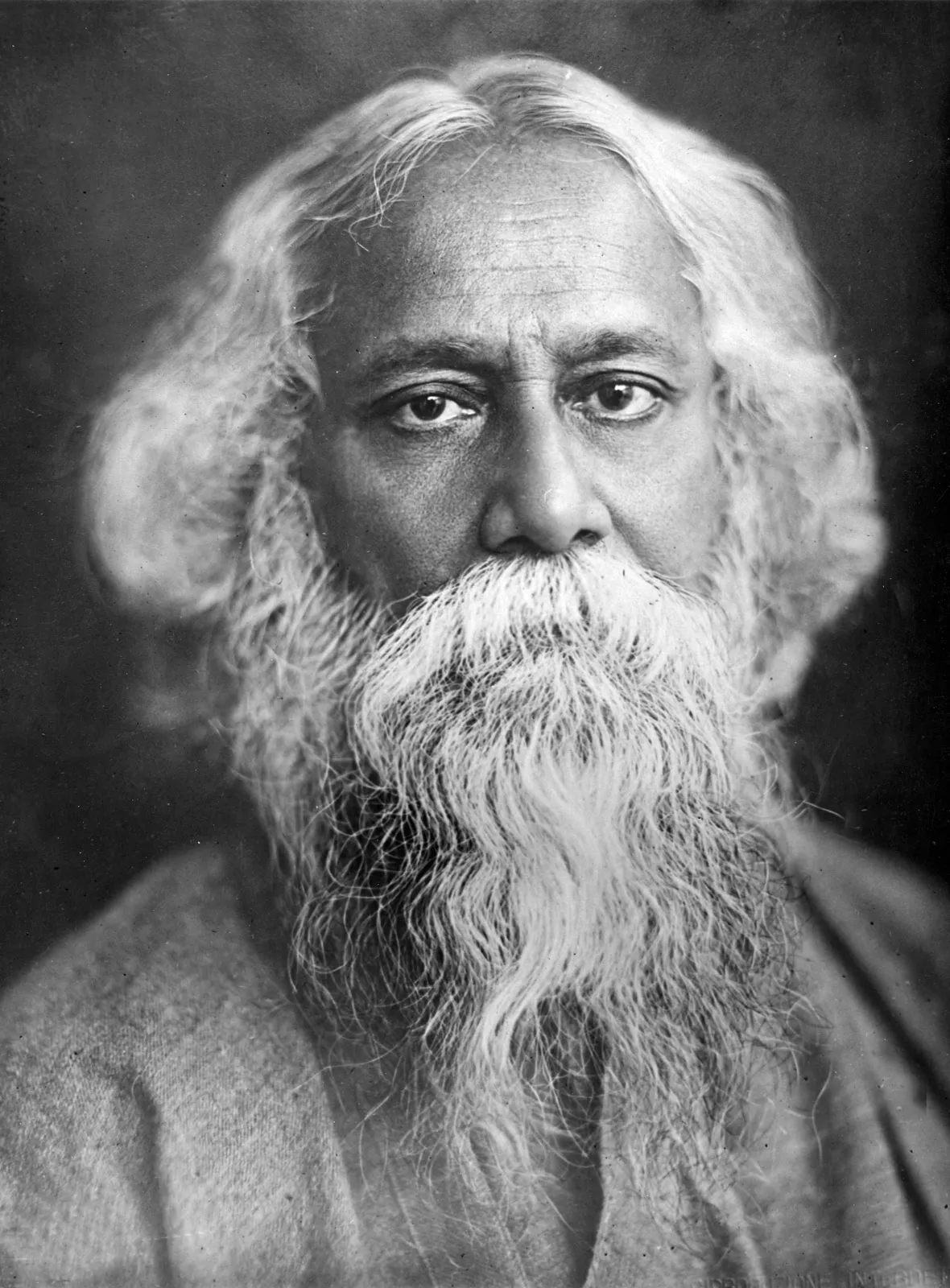
Rabindranath Tagore's poignant words, "Where the mind is without fear and the head is held high; where knowledge is free," evoke a vision of a world unshackled by the chains of fear and ignorance. In this ideal realm, individuals stand tall, empowered by the freedom to seek knowledge without the constraints of societal or self-imposed limitations. This quote resonates deeply in our contemporary landscape, where fear often stifles curiosity and inhibits the pursuit of truth. The stakes are high; to cultivate a society where knowledge flows freely is to foster a culture of courage and enlightenment.
Tagore's vision is not merely an aspiration; it is a call to action. It invites us to reflect on the barriers that inhibit our growth and the courage required to transcend them. In a world rife with division and misinformation, the quest for knowledge becomes a radical act of defiance against fear. By holding our heads high, we affirm our dignity and our right to explore the vast expanse of human understanding. This quote serves as a reminder that the journey toward wisdom is intrinsically linked to our ability to confront our fears and embrace the unknown.
The image / the metaphor
The imagery in Tagore's quote is striking and evocative. The phrase "where the mind is without fear" conjures a landscape of liberation, suggesting a mental state unencumbered by doubt or trepidation. The act of holding one's head high symbolizes dignity, pride, and an unwavering commitment to truth. Together, these images paint a picture of a society where individuals are not only free to think but are also emboldened to express their thoughts openly and without fear of retribution.
Diving deeper into the metaphor, we can see that Tagore is not merely describing a physical posture but an inner state of being. To have a mind without fear is to cultivate a sense of inner peace and resilience, allowing one to engage with the world authentically. The connection between fearlessness and the pursuit of knowledge suggests that true wisdom can only flourish in an environment where individuals feel safe to explore, question, and learn. This metaphor extends beyond the individual, inviting us to envision a collective consciousness that thrives on courage and curiosity.
In the speaker's tradition
Rabindranath Tagore's insights are deeply rooted in the Hindu tradition, which emphasizes the interconnectedness of all beings and the pursuit of dharma, or righteous living. The concept of fearlessness resonates with the idea of *abhyasa* (practice) and *vairagya* (detachment), essential elements in the path toward self-realization. Tagore's vision aligns with the notion of *prajna*, or wisdom, which is cultivated through the fearless pursuit of knowledge and understanding. In this context, fearlessness is not merely the absence of fear but an active engagement with life that allows for growth and transformation.
In the *Bhagavad Gita*, a text that profoundly influences Tagore's thought, Lord Krishna encourages Arjuna to rise above his fears and doubts to fulfill his dharma. This call to action mirrors Tagore's exhortation for individuals to hold their heads high and seek knowledge freely. Both texts emphasize that true wisdom arises when one confronts their fears and embraces their path with courage and conviction. In this light, Tagore's quote serves as a modern echo of ancient wisdom, urging us to cultivate a fearless mind in our quest for understanding.
Living the teaching
Consider a modern scenario where this teaching finds resonance: a student grappling with the fear of failure in an academic setting. The pressure to excel can create a paralyzing fear that stifles creativity and curiosity. By embodying Tagore's teaching, the student can shift their perspective, recognizing that knowledge is a journey rather than a destination. Embracing this mindset allows them to approach their studies with an open heart and mind, fostering a genuine love for learning that transcends the fear of judgment.
A reflection
As we contemplate Tagore's profound words, we are invited to reflect on our own lives: In what areas do we allow fear to dictate our choices? How might we hold our heads high and pursue knowledge with courage? This contemplation encourages us to examine the barriers we face and consider the transformative power of fearlessness in our quest for wisdom. By embracing this inquiry, we can begin to cultivate a mindset that not only seeks knowledge but also empowers us to live authentically and courageously.




Join the BrightStar Community
Stay connected with daily inspiration, event announcements, and community wisdom