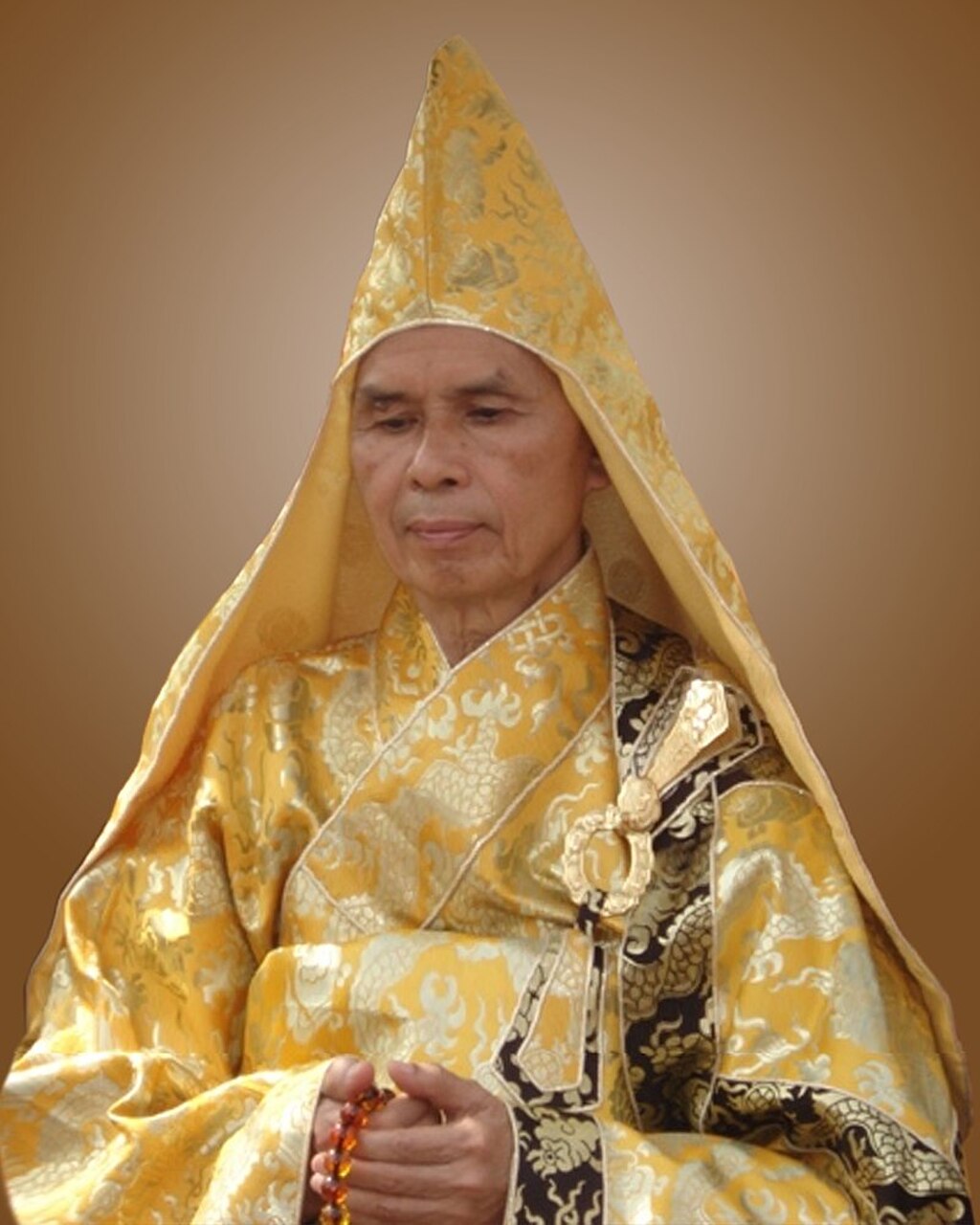
Resonance of Being: The Call to Presence
Thich Nhat Hanh invites us to embody the essence of a bell, suggesting that we should be filled with resonance and ready to respond to the world around us. This metaphor speaks to the importance of presence, urging us to cultivate a state of being that is both aware and responsive. In a world often characterized by distraction and disconnection, this teaching serves as a gentle reminder of the beauty and power of being fully engaged in each moment.
To be like the bell is to embrace a profound sense of awareness and readiness, allowing our inner vibrations to resonate with the experiences and emotions of others. It is a call to cultivate a mindful presence that not only enriches our own lives but also enhances the lives of those we encounter. This resonance is not merely a passive state; it is an active engagement with the world, a willingness to ring out in harmony with the unfolding of life.
The image / the metaphor
The imagery of a bell evokes a sense of clarity and purity, suggesting that our inner lives can be as clear and resonant as the sound that emanates from a well-tuned bell. The verbs "full" and "ready" imply a state of preparedness, a fullness that comes from deep inner work and reflection. When we think of a bell, we can almost hear its sound, a vibrant echo that fills the space around it, inviting others to listen and engage. This sound is not just noise; it is a call to awareness, a reminder of the beauty of presence.
Diving deeper into the metaphor, we can see that the bell's resonance is a reflection of our emotional and spiritual states. When we are filled with compassion, joy, and understanding, our "ring" can uplift others, creating a ripple effect of positivity and connection. Conversely, if we are filled with negativity or distraction, our resonance may be muted or discordant. Thus, to be like the bell is to cultivate a harmonious inner life that can resonate with the world, inviting others to join in the symphony of existence.
In the speaker's tradition
Thich Nhat Hanh's teachings are deeply rooted in the Buddhist tradition, where concepts such as mindfulness, interbeing, and the nature of suffering play pivotal roles. The idea of being like the bell aligns with the Buddhist practice of mindfulness, which encourages us to be fully present in each moment, allowing us to respond to life with clarity and compassion. This state of being can be seen as a form of kenosis, or self-emptying, where we let go of our distractions and ego-driven desires to become vessels of love and understanding.
In his book "Peace Is Every Step," Thich Nhat Hanh emphasizes the importance of mindfulness in daily life, suggesting that through practices such as mindful breathing and walking, we can cultivate the resonance that allows us to be fully present. This echoes the teachings found in the Heart Sutra, where the concept of sunyata, or emptiness, invites us to recognize the interconnectedness of all beings and the importance of being present to experience that connection fully. The bell, in this context, becomes a symbol of our potential to resonate with the world around us, embodying the essence of interbeing.
Living the teaching
Consider a modern scenario where this teaching can be applied: imagine a busy office environment where stress and tension run high. In such a setting, being like the bell means taking a moment to pause, breathe, and center oneself before responding to colleagues or challenges. By cultivating a mindful presence, one can transform the atmosphere, creating a space where others feel heard and valued. This simple act of resonance can shift the dynamics of the workplace, fostering collaboration and understanding.
In personal relationships, the teaching of being like the bell can manifest during moments of conflict or misunderstanding. Instead of reacting impulsively, one can take a step back, allowing oneself to resonate with the emotions of the other person. This practice of deep listening and presence can lead to more meaningful conversations, where both parties feel seen and understood. By embodying the qualities of the bell, we create opportunities for healing and connection, enriching our relationships and our lives.
A reflection
As we contemplate Thich Nhat Hanh's invitation to be like the bell, we might ask ourselves: How can I cultivate a deeper sense of resonance in my daily life? What practices can I engage in to ensure that I am fully present and ready to respond to the world around me? This question invites us to explore the ways in which we can embody mindfulness and compassion, allowing our inner vibrations to harmonize with the experiences of others.




Join the BrightStar Community
Stay connected with daily inspiration, event announcements, and community wisdom