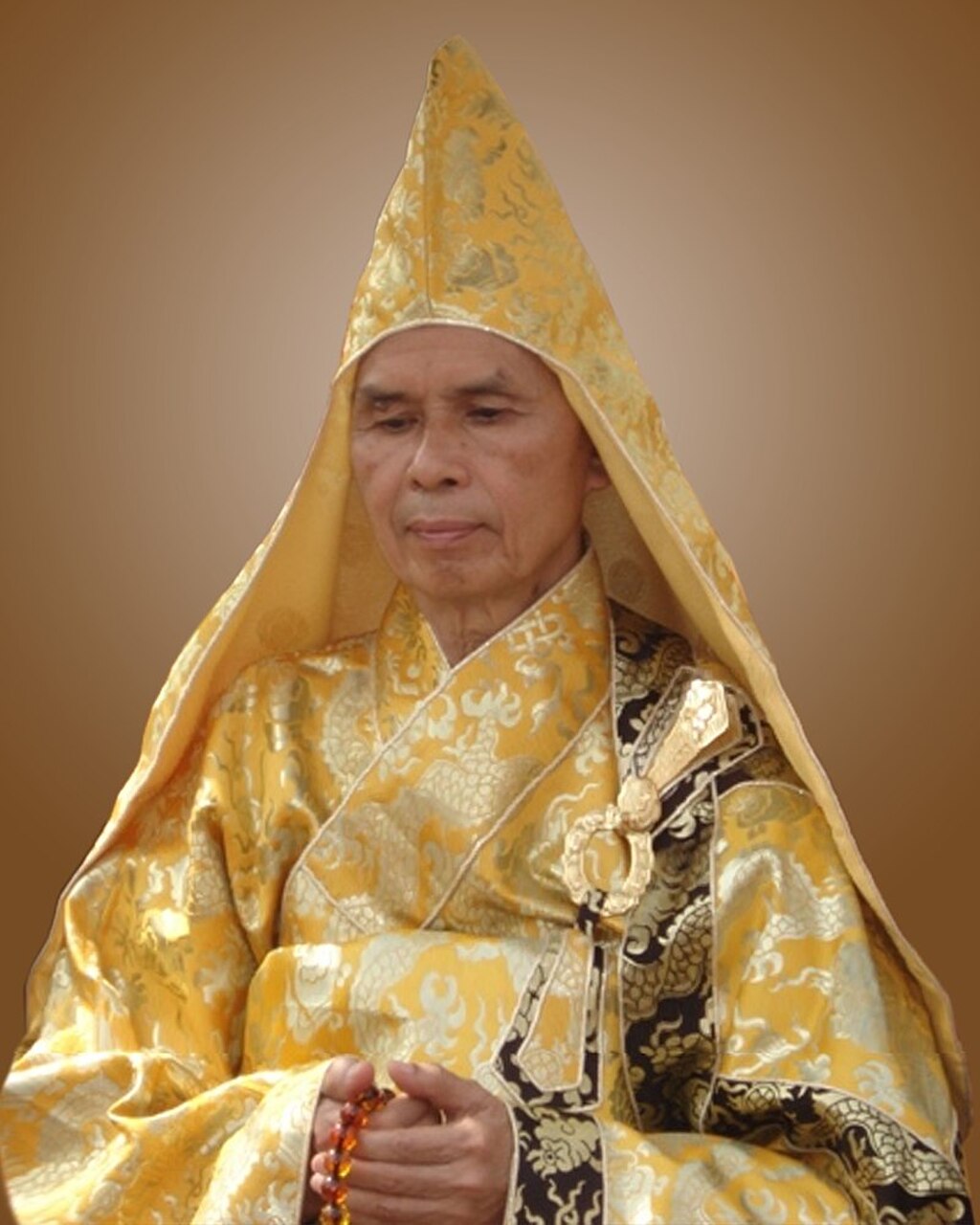
The Interwoven Dance of Body and Mind
Thich Nhat Hanh's assertion that "bodies and minds are deeply connected. To nourish one is to nourish the other" invites us to explore the profound relationship between our physical and mental states. This connection is not merely a philosophical idea; it is a lived reality that shapes our experiences and well-being. Understanding this relationship is crucial in a world where we often compartmentalize our existence, neglecting the holistic nature of our being. The stakes are high: a disconnection between body and mind can lead to suffering, while their harmonious integration fosters peace and vitality.
As we delve deeper into this quote, we recognize that it speaks to the essence of embodiment—a concept that transcends mere physicality. It suggests that our thoughts, emotions, and physical sensations are not isolated phenomena but rather interdependent aspects of our existence. When we nourish our bodies through mindful eating, movement, and rest, we simultaneously nurture our minds, cultivating clarity, compassion, and resilience. This interconnectedness is a call to embrace a more integrated approach to life, one that honors the unity of our being and the profound impact of our choices on both body and mind.
The image / the metaphor
The imagery in Thich Nhat Hanh's quote evokes a sense of unity and interdependence. The verbs "nourish" and "connect" suggest an active engagement with our bodies and minds, emphasizing that our well-being is not a passive state but a dynamic process. To nourish implies a gentle, nurturing action, akin to tending to a garden where both the soil (the body) and the seeds (the mind) require care for flourishing. This metaphor of gardening beautifully illustrates the idea that our physical health directly influences our mental clarity and emotional stability.
Diving deeper into this metaphor, we can envision the body as a vessel that carries our thoughts and feelings, while the mind acts as the gardener, shaping the landscape of our inner world. When we cultivate mindfulness, we become aware of how our physical sensations inform our emotional states. For instance, tension in the body may signal stress or anxiety, while relaxation can open pathways to joy and creativity. This reciprocal relationship highlights the importance of tending to both aspects of our being, as neglecting one inevitably affects the other, leading to an imbalanced life.
In the speaker's tradition
Thich Nhat Hanh's teachings are deeply rooted in the Buddhist tradition, which emphasizes the interconnectedness of all phenomena. Concepts such as *interbeing* and *sunyata* (emptiness) resonate with the idea that our bodies and minds are not separate entities but part of a larger web of existence. In Buddhism, the practice of mindfulness serves as a bridge between the physical and mental realms, allowing practitioners to cultivate awareness of their thoughts and sensations. This awareness fosters a sense of compassion and understanding, both for oneself and for others, as we recognize our shared humanity.
A relevant text that echoes this sentiment is the *Heart Sutra*, which teaches that form is emptiness and emptiness is form. This profound realization invites us to see that our physical bodies and mental states are not fixed but fluid, constantly changing and interdependent. By embracing this perspective, we can begin to nourish both our bodies and minds with greater intention, recognizing that our well-being is intricately linked to the well-being of those around us. This understanding encourages a compassionate approach to self-care, where nurturing oneself becomes an act of love that extends to the wider community.
Living the teaching
Consider a modern scenario where this teaching can be applied: a busy professional juggling work, family, and personal commitments. In the rush of daily life, it is easy to neglect physical health, opting for convenience over nourishment. However, by consciously choosing to prepare wholesome meals and engage in regular physical activity, this individual can enhance not only their physical vitality but also their mental clarity and emotional resilience. The act of nourishing the body through mindful choices creates a ripple effect, fostering a sense of balance and well-being that permeates all aspects of life.
Another application of this teaching can be found in relationships, particularly during moments of conflict or stress. When tensions arise, it is common for individuals to become emotionally reactive, often neglecting their physical needs in the process. By practicing mindfulness—taking a moment to breathe deeply, stretch, or engage in a calming activity—one can create space for reflection and understanding. This practice not only nourishes the body but also allows for a more compassionate response to the situation, fostering deeper connections and healing within the relationship.
A reflection
As we contemplate Thich Nhat Hanh's wisdom, we are invited to reflect on our own lives: How do we nourish our bodies and minds? Are there areas where we may be neglecting one in favor of the other? This inquiry encourages us to cultivate a more integrated approach to our well-being, recognizing that our choices have the power to shape our experiences profoundly. In this moment of reflection, we can ask ourselves: What small, intentional steps can I take today to honor the connection between my body and mind?




Join the BrightStar Community
Stay connected with daily inspiration, event announcements, and community wisdom