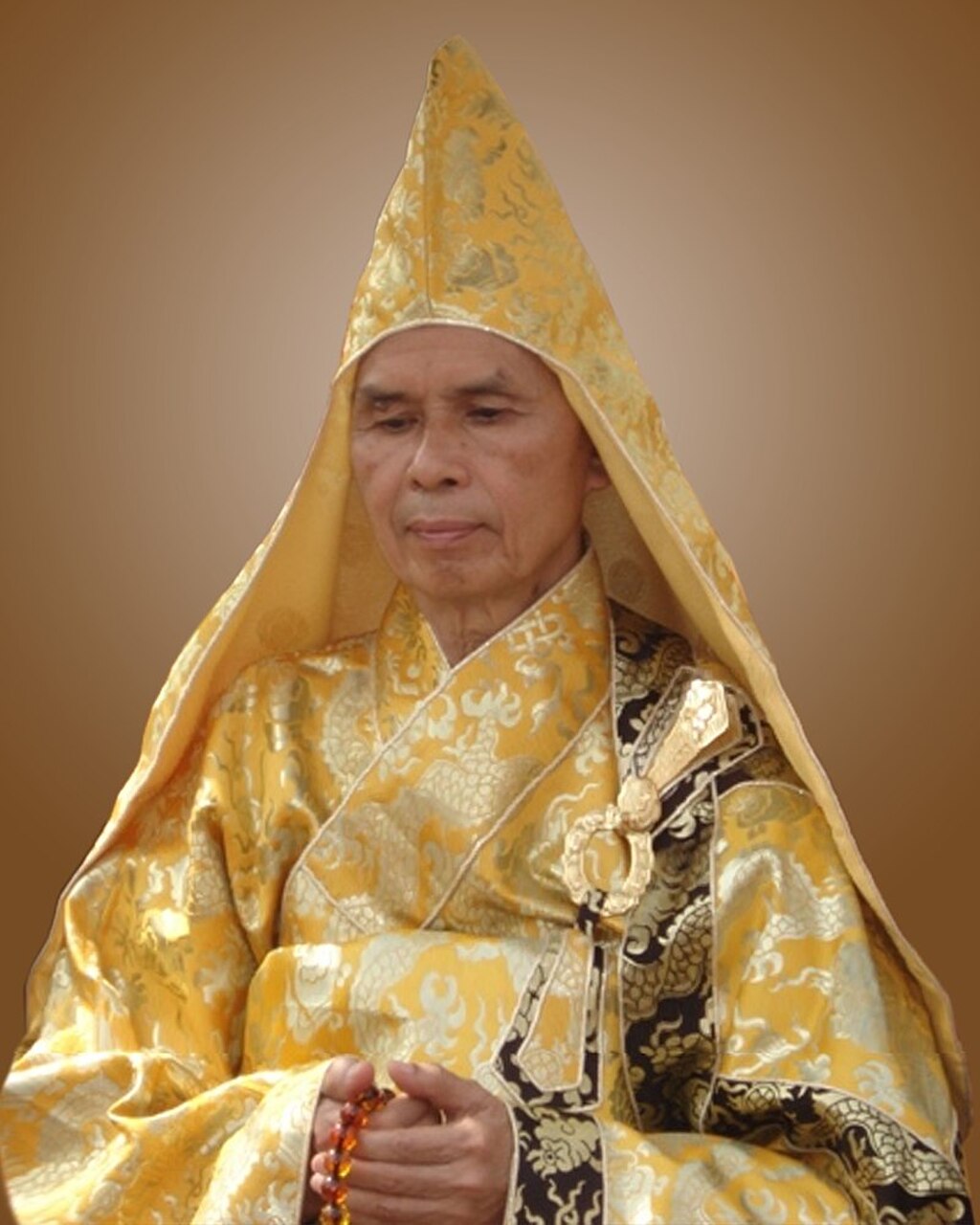
Footprints of Tranquility: The Path to Inner Peace
Thich Nhat Hanh's poignant assertion, "Each footstep is the print of peace," invites us to consider the profound significance of our movements through the world. Every step we take can be imbued with mindfulness, transforming the mundane act of walking into a sacred practice. This perspective not only elevates our daily experiences but also serves as a reminder of the potential for peace that resides within us, waiting to be expressed in our actions. In a world often marked by chaos and distraction, the invitation to walk with intention becomes a vital practice for cultivating inner serenity.
As we delve deeper into this quote, we uncover layers of meaning that resonate with the essence of mindfulness and presence. Walking, often taken for granted, becomes a metaphor for our journey through life. Each footstep, when approached with awareness, can serve as a reminder of our capacity to create peace—not just within ourselves but also in our interactions with others and the environment. The act of walking mindfully encourages us to slow down, to breathe, and to connect with the present moment, fostering a sense of harmony that can ripple outward into our communities.
The image / the metaphor
The imagery of "footsteps" evokes a sense of movement and progression, suggesting that peace is not a static state but a dynamic process. The word "print" implies a lasting impact, as if each step leaves an indelible mark on the earth and in our consciousness. This choice of verbs emphasizes the active nature of peace; it is not merely a feeling to be attained but a practice to be embodied. The felt sense of this quote encourages us to visualize our steps as deliberate acts of compassion and mindfulness, each one contributing to a larger tapestry of tranquility.
In the speaker's tradition
Thich Nhat Hanh, a revered figure in the Zen Buddhist tradition, emphasizes the importance of mindfulness and the interconnectedness of all beings. His teachings often draw upon concepts such as *sunyata* (emptiness) and *prajna* (wisdom), which encourage us to recognize the impermanent nature of our experiences. In this context, the idea of each footstep as a "print of peace" aligns with the Buddhist understanding that our actions have profound implications for ourselves and the world around us. By walking mindfully, we engage in a practice that cultivates awareness and compassion, essential elements of the *dharma*.
In his seminal work, *Peace Is Every Step*, Thich Nhat Hanh illustrates how mindfulness can transform even the simplest activities into opportunities for spiritual growth. He writes about the importance of being present in our daily lives, suggesting that each moment offers a chance to practice peace. This perspective resonates with the teachings found in the *Dhammapada*, where the Buddha emphasizes the significance of our actions and their consequences. By recognizing that each step can be a manifestation of peace, we align ourselves with the core tenets of Buddhist philosophy.
Living the teaching
Consider a modern scenario where this teaching can be applied: a busy commuter navigating the hustle and bustle of a city. In the midst of rushing to catch a train or bus, one might feel overwhelmed by the noise and chaos surrounding them. However, by consciously choosing to walk mindfully—paying attention to each footstep, breathing deeply, and observing the sights and sounds—this individual can transform their experience. Instead of succumbing to stress, they can cultivate a sense of peace that not only benefits themselves but also radiates to those around them.
Another application of this teaching can be found in interpersonal relationships. Imagine a moment of conflict with a loved one, where emotions run high and communication falters. By taking a moment to pause and practice mindful walking—perhaps stepping outside for a brief walk—one can create space for reflection and clarity. Each footstep can serve as a reminder to approach the situation with compassion and understanding, allowing for a more peaceful resolution. In this way, the practice of walking becomes a powerful tool for fostering harmony in our connections with others.
A reflection
As we contemplate Thich Nhat Hanh's insightful words, we are invited to consider how we can embody peace in our daily lives. What does it mean for you to leave a "print of peace" with each step you take? Reflecting on this question can deepen our understanding of mindfulness and encourage us to approach our actions with intention and care. In a world that often feels fragmented, may we find solace in the simple yet profound practice of walking mindfully, creating a path of peace for ourselves and others.




Join the BrightStar Community
Stay connected with daily inspiration, event announcements, and community wisdom