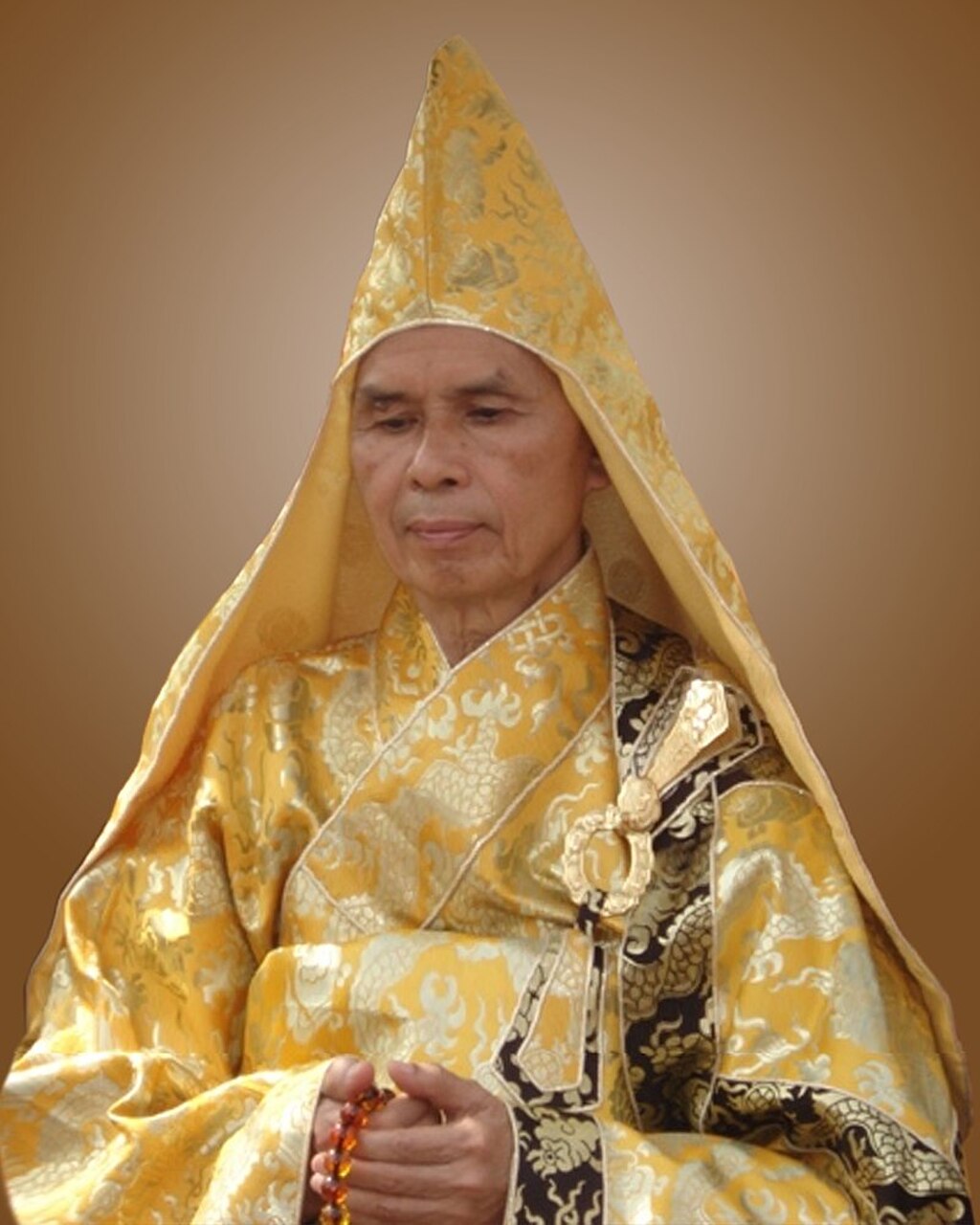
The Serenity of Each Breath: Embracing Presence in Every Step
In the words of Thich Nhat Hanh, "Every breath we take, every step we make, can be filled with peace, joy, and serenity." This profound statement invites us to recognize the potential for mindfulness in our everyday actions. It emphasizes that the simple acts of breathing and walking can transform into moments of deep tranquility and joy, urging us to cultivate a sense of presence in our lives. In a world often filled with chaos and distraction, this teaching serves as a gentle reminder of the power we hold to infuse our experiences with peace.
As we delve deeper into this quote, we uncover the layers of meaning that lie within. The act of breathing is not merely a physiological function; it is a gateway to mindfulness and awareness. Each breath can serve as an anchor, grounding us in the present moment, while each step can become a dance of joy and serenity. This perspective invites us to shift our focus from the external noise of life to the internal landscape of our being, where peace resides. By embracing this practice, we can transform our daily routines into sacred rituals of presence.
The image / the metaphor
Thich Nhat Hanh’s quote evokes vivid imagery, inviting us to visualize the rhythmic flow of breath and the gentle motion of walking. The verbs "take" and "make" suggest an active participation in life, where each inhalation and step is a conscious choice. The felt sense of this imagery is one of fluidity and grace, as if we are moving through life with intention and awareness. This metaphor of breathing and walking serves as a powerful reminder that peace, joy, and serenity are not distant ideals but can be woven into the very fabric of our daily existence.
Diving deeper into the metaphor, we can see that breath symbolizes life itself, a continuous cycle of inhalation and exhalation that mirrors our experiences. Each breath is an opportunity to release tension and invite calmness, while each step can be a manifestation of our journey through life. By recognizing the sacredness in these simple acts, we begin to understand that peace is not a destination but a state of being that we can cultivate in every moment. This perspective encourages us to embrace the present, finding joy in the mundane and serenity in the chaos.
In the speaker's tradition
Thich Nhat Hanh's teachings are deeply rooted in the Buddhist tradition, where concepts such as mindfulness (sati) and interbeing play a crucial role. Mindfulness invites us to be fully present in each moment, while interbeing emphasizes the interconnectedness of all things. In this context, the quote reflects the essence of dharma, the path of truth and righteousness, which encourages us to cultivate awareness and compassion in our daily lives. The practice of mindfulness allows us to experience the fullness of each breath and step, transforming our existence into a continuous flow of peace and joy.
In his seminal work, "Peace Is Every Step," Thich Nhat Hanh draws upon the teachings of the Buddha, particularly the concept of sunyata, or emptiness. This idea suggests that our perceptions of self and other are often clouded by attachment and aversion. By practicing mindfulness, we can begin to see through these illusions, allowing us to experience the inherent peace that exists within us. The quote serves as a reminder that by embracing the present moment, we can transcend our habitual patterns and awaken to the serenity that is always available to us.
Living the teaching
Consider a modern scenario where this teaching can be applied: the hustle and bustle of a daily commute. Many of us find ourselves caught in the rush, our minds racing with thoughts of the day ahead. However, by consciously focusing on our breath as we travel, we can transform this experience. Each inhalation can serve as a reminder to release tension, while each exhalation can invite a sense of calm. By practicing mindfulness in this context, we can shift our perception of the commute from a stressful obligation to a moment of peace and reflection.
Another application of this teaching can be found in our relationships, particularly during challenging moments. Imagine a disagreement with a loved one, where emotions run high and communication falters. By taking a moment to breathe deeply and center ourselves, we can approach the situation with greater clarity and compassion. This practice of mindful breathing allows us to respond rather than react, fostering an environment of understanding and serenity. In this way, the teachings of Thich Nhat Hanh remind us that peace is not only a personal journey but also a collective one, rooted in our interactions with others.
A reflection
As we contemplate Thich Nhat Hanh's words, we are invited to reflect on the nature of our own presence in daily life. How often do we allow ourselves to be fully present in each breath and step? In what ways can we cultivate a deeper sense of peace, joy, and serenity in our everyday actions? These questions encourage us to explore the transformative power of mindfulness, inviting us to embrace the beauty of the present moment and the serenity that lies within.


Join the BrightStar Community
Stay connected with daily inspiration, event announcements, and community wisdom