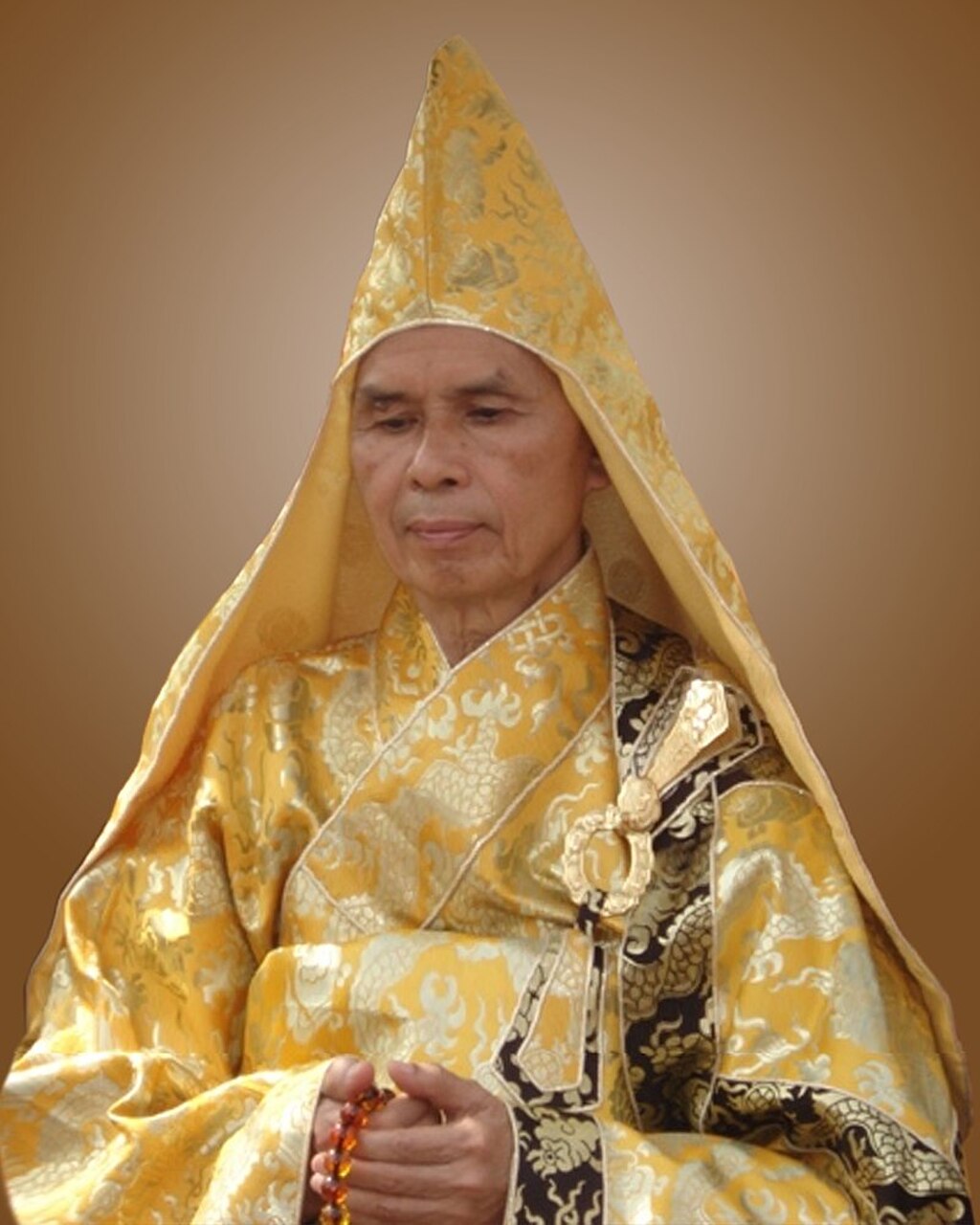
The Boundless Nature of Love
Thich Nhat Hanh's assertion that "In true love, there is no room for jealousy" invites us to explore the profound depths of love that transcend the confines of possessiveness and insecurity. This statement challenges the conventional understanding of love, which often intertwines with jealousy, suggesting that true love is not only unconditional but also liberating. In a world where relationships frequently become battlegrounds for control and comparison, this teaching serves as a beacon, urging us to cultivate a love that is rooted in understanding and compassion.
To grasp the significance of this insight, we must delve deeper into the nature of love itself. Love, in its truest form, is expansive and nurturing, fostering connection rather than division. Jealousy, on the other hand, is a constricting force that arises from fear and insecurity, often leading to suffering for both the lover and the beloved. By recognizing that true love is devoid of jealousy, we open ourselves to a more profound experience of connection, one that is anchored in trust and mutual respect.
The image / the metaphor
When Thich Nhat Hanh speaks of love devoid of jealousy, he paints a vivid picture of a relationship that thrives on freedom rather than possession. The imagery evokes a sense of spaciousness, where love flows freely without the constraints of fear or competition. The choice of the word "true" implies a distinction between superficial affection and a deeper, more authentic connection that is not tainted by the shadows of insecurity. This love is akin to a vast ocean, where each wave is a moment of connection, unencumbered by the rocks of jealousy that threaten to disrupt its flow.
Diving deeper into this metaphor, we can see that true love is not merely the absence of jealousy; it is an active presence of understanding and compassion. It embodies the idea of kenosis, or self-emptying, where one relinquishes the need to control or possess another. In this state, love becomes a nurturing force that encourages growth and authenticity, allowing both individuals to flourish without fear of losing their identity or connection. This expansive love invites us to embrace vulnerability, recognizing that it is through openness that we can truly connect with another soul.
In the speaker's tradition
Thich Nhat Hanh's teachings are deeply rooted in the Buddhist tradition, which emphasizes the importance of compassion, mindfulness, and the interconnectedness of all beings. Central to this philosophy is the concept of sunyata, or emptiness, which suggests that our attachments and desires often lead to suffering. By understanding that jealousy arises from a place of attachment, we can begin to cultivate a love that is free from these burdens. This aligns with the Buddhist practice of bhakti, or devotion, which encourages us to love without conditions, fostering a sense of unity with all beings.
In his book "True Love," Thich Nhat Hanh draws upon the teachings of the Buddha, who emphasized the importance of loving-kindness (metta) as a means to alleviate suffering. The practice of metta invites us to extend our love and compassion not only to those we cherish but also to ourselves and even to those we may find difficult to love. This holistic approach to love reinforces the idea that true love is expansive and inclusive, creating a space where jealousy cannot thrive.
Living the teaching
Consider a modern scenario where jealousy often rears its head: the workplace. Imagine two colleagues vying for the same promotion. In this competitive environment, jealousy can easily take root, leading to resentment and discord. However, if both individuals approach their relationship with a sense of true love, they can celebrate each other's strengths and support one another's growth. By fostering an atmosphere of collaboration rather than competition, they embody Thich Nhat Hanh's teaching, allowing their professional relationship to flourish without the weight of jealousy.
This teaching can also be applied in personal relationships, particularly during moments of conflict. For instance, when one partner feels threatened by the other's friendships or successes, jealousy can emerge, creating tension. By embracing the principles of true love, both partners can engage in open communication, expressing their feelings without fear of judgment. This practice of vulnerability not only deepens their connection but also transforms jealousy into an opportunity for growth and understanding, reinforcing the idea that love, when nurtured, can transcend even the most challenging emotions.
A reflection
As we contemplate Thich Nhat Hanh's profound insight, we are invited to reflect on our own experiences of love and jealousy. How might our relationships transform if we approached them with the understanding that true love leaves no space for jealousy? In what ways can we cultivate a love that is rooted in trust and compassion, allowing ourselves and others to flourish? These questions encourage us to explore the depths of our connections, guiding us toward a more authentic and expansive experience of love.


Join the BrightStar Community
Stay connected with daily inspiration, event announcements, and community wisdom