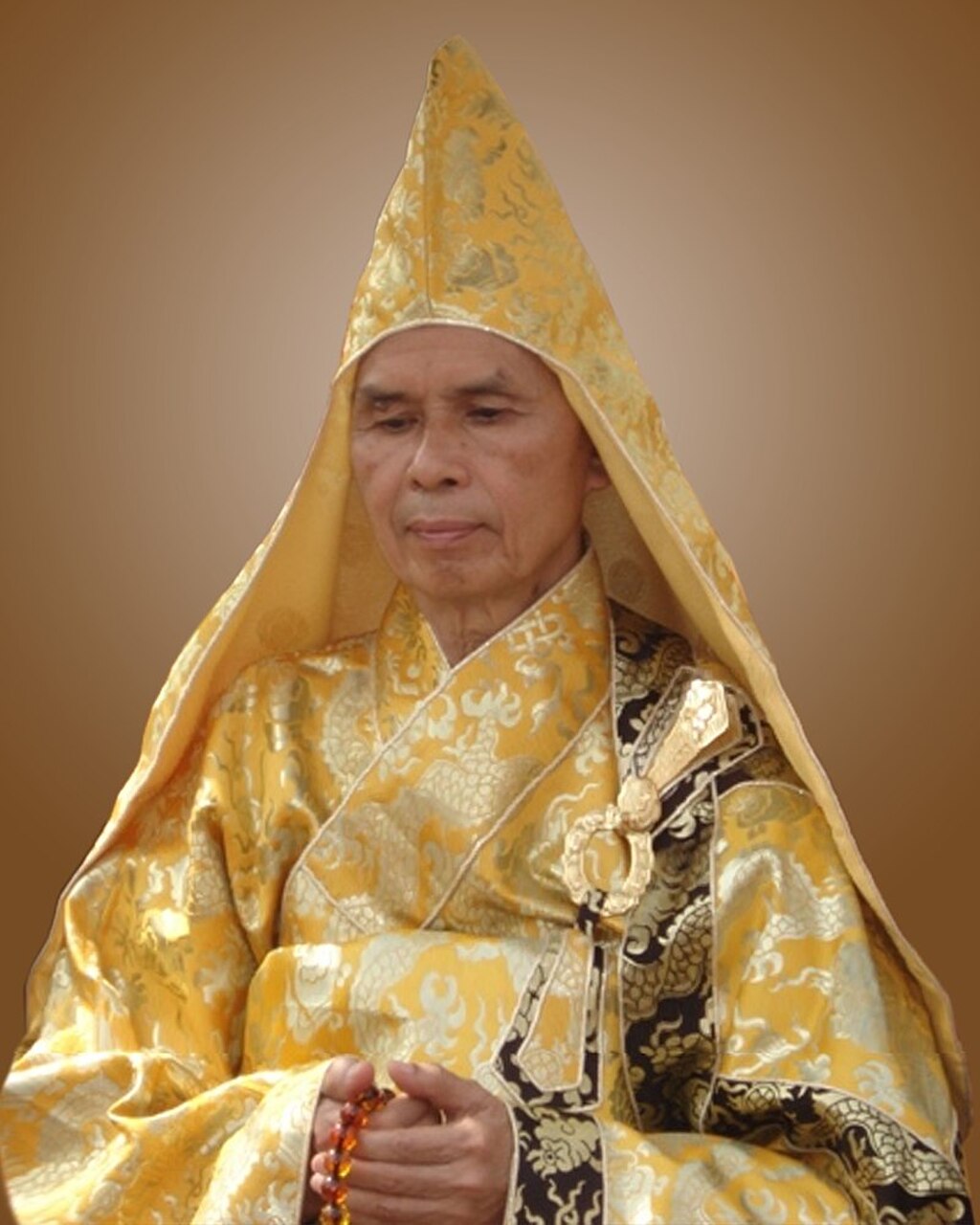
The Clarity of a Still Heart
Thich Nhat Hanh invites us to release our burdens and embrace a state of clarity akin to a mirror devoid of reflections. This profound statement urges us to transcend our worries, allowing our hearts to become unclouded and pure. In a world rife with distractions and anxieties, the essence of this teaching becomes increasingly vital; it beckons us to cultivate a serene inner landscape where clarity reigns supreme.
To be "completely clear-hearted" is not merely an aspiration but a transformative practice that can reshape our experience of life. The metaphor of the mirror serves as a powerful reminder of our innate potential for clarity and openness. By letting go of our worries, we create space for genuine connection with ourselves and others, fostering a deeper understanding of our true nature. This teaching resonates deeply in our contemporary lives, where the noise of external demands often obscures our inner wisdom.
The image / the metaphor
The imagery of a mirror is striking in its simplicity and depth. A mirror, in its essence, reflects only what is placed before it; it does not hold onto images or distort them. This quality of the mirror symbolizes the ideal state of the heart—free from the clutter of past regrets and future anxieties. The verbs "let go" and "be" suggest an active yet gentle process of release, inviting us to relinquish our attachments and embrace the present moment with an open heart.
Diving deeper into this metaphor, we recognize that the clarity of the mirror is not passive; it requires intentionality and practice. Just as a mirror must be kept clean to reflect accurately, our hearts must be tended to with care and mindfulness. This clarity allows us to perceive the world without the distortions of our fears and desires, enabling us to engage with life authentically. The invitation to be "completely clear-hearted" challenges us to cultivate a state of being that is both receptive and discerning, allowing us to navigate our experiences with wisdom and grace.
In the speaker's tradition
Thich Nhat Hanh's teachings are deeply rooted in the Buddhist tradition, where concepts such as *sunyata* (emptiness) and *prajna* (wisdom) play pivotal roles. The notion of letting go of worries aligns with the practice of *kenosis*, or self-emptying, which encourages individuals to release their attachments and preconceptions. This process of emptying oneself is not about negating existence but rather about creating space for deeper understanding and connection with the world around us.
In his work, Thich Nhat Hanh often draws upon the teachings of the *Dharma*, emphasizing the importance of mindfulness and presence. The *Heart Sutra*, a foundational text in Mahayana Buddhism, echoes this sentiment by proclaiming that "form is emptiness, emptiness is form." This interconnectedness of clarity and emptiness invites us to recognize that our worries often stem from a misunderstanding of our true nature, urging us to embrace the clarity that arises when we let go of our attachments.
Living the teaching
Consider a modern scenario where this teaching can be applied: imagine a busy professional overwhelmed by deadlines and expectations. The weight of these worries can cloud judgment and diminish creativity. By practicing the art of letting go, perhaps through mindfulness meditation or simply taking a moment to breathe deeply, this individual can cultivate a clear-hearted approach. In doing so, they may find that solutions emerge more readily, and their interactions with colleagues become more genuine and collaborative.
A reflection
As we contemplate Thich Nhat Hanh's invitation to "let go of your worries and be completely clear-hearted," we are called to examine our own lives. What worries are we holding onto that cloud our perception and inhibit our ability to connect with ourselves and others? In this moment of reflection, consider how you might cultivate a clearer heart, allowing the light of your true self to shine through.


Join the BrightStar Community
Stay connected with daily inspiration, event announcements, and community wisdom