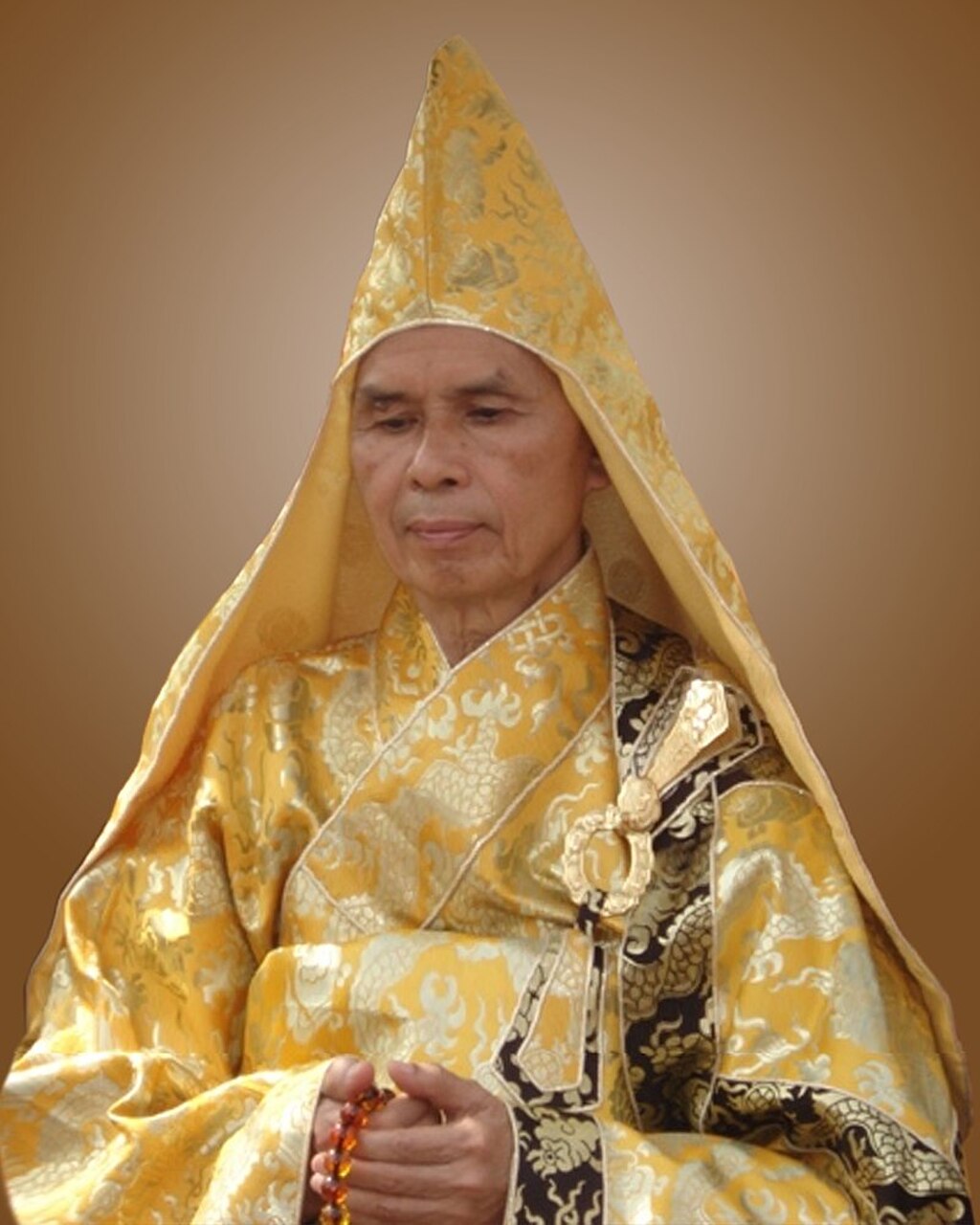
The Gift of Now: Embracing the Present Moment
Thich Nhat Hanh reminds us that life unfolds exclusively in the present moment. This profound assertion invites us to recognize the fleeting nature of time and the importance of being fully engaged in our current experiences. In a world often dominated by distractions and anxieties about the future or regrets from the past, this teaching serves as a gentle yet powerful call to awaken to the richness of the now. Understanding this concept can transform our perception of life, urging us to savor each moment as it comes.
To grasp the essence of this quote, we must consider the implications of presence in our daily lives. The present moment is not merely a point in time; it is a vibrant space where our thoughts, feelings, and actions converge. When we cultivate awareness of the present, we open ourselves to the fullness of existence, allowing us to connect more deeply with ourselves and others. This teaching is not just philosophical; it is a practical guide for living with intention and authenticity.
The image / the metaphor
At its core, the quote "Life is available only in the present moment" evokes a vivid image of life as a flowing river, where each moment is a unique drop of water that cannot be recaptured once it has passed. The verbs "is" and "available" emphasize the immediacy and accessibility of life when we choose to engage with the present. This imagery invites us to visualize life as a series of moments that beckon us to experience them fully, rather than allowing them to slip away unnoticed.
Diving deeper into this metaphor, we can see that the present moment is akin to a treasure chest, filled with the richness of our experiences, emotions, and connections. When we remain anchored in the now, we unlock this chest, revealing the beauty and depth of our existence. The act of being present becomes a practice of gratitude, as we learn to appreciate the small joys and profound insights that arise when we are fully engaged with life as it unfolds.
In the speaker's tradition
Thich Nhat Hanh's teachings are deeply rooted in the Buddhist tradition, where concepts such as mindfulness (sati) and the nature of impermanence (anicca) play a crucial role. Mindfulness encourages us to cultivate awareness of our thoughts and feelings in the present moment, allowing us to experience life without attachment or aversion. This practice aligns with the idea of sunyata, or emptiness, which teaches that our experiences are transient and interconnected, urging us to embrace the present without clinging to it.
In his work, Thich Nhat Hanh often references the Four Noble Truths, which highlight the importance of understanding suffering and the path to liberation. By recognizing that life is available only in the present moment, we can begin to alleviate the suffering that arises from our fixation on the past or future. This perspective echoes the teachings found in the Heart Sutra, where the realization of emptiness leads to a profound understanding of the nature of existence and the liberation that comes from living fully in the now.
Living the teaching
Consider a modern scenario where this teaching resonates: a busy professional, overwhelmed by deadlines and responsibilities, finds themselves constantly distracted by thoughts of what lies ahead. In this state, they may miss the beauty of a shared laugh with a colleague or the warmth of the sun on their skin during a brief break. By consciously choosing to focus on the present moment, they can transform their experience, finding joy and connection in the here and now, rather than being lost in a mental whirlwind.
This teaching can also be applied in the context of relationships. Imagine a couple engaged in a conversation, yet both are preoccupied with their phones, missing the opportunity to connect deeply. By practicing presence, they can cultivate a richer relationship, listening attentively and sharing their thoughts and feelings without distraction. This commitment to being present not only enhances their connection but also fosters a sense of intimacy and understanding that can weather the challenges of life together.
A reflection
As we contemplate Thich Nhat Hanh's assertion that "Life is available only in the present moment," we are invited to reflect on our own relationship with time. How often do we find ourselves lost in thoughts of what has been or what is yet to come? In this moment, consider: what would it feel like to fully embrace the present, to experience life as it unfolds without judgment or distraction? This question serves as a gentle nudge toward a more mindful existence, encouraging us to savor the richness of each moment.


Join the BrightStar Community
Stay connected with daily inspiration, event announcements, and community wisdom