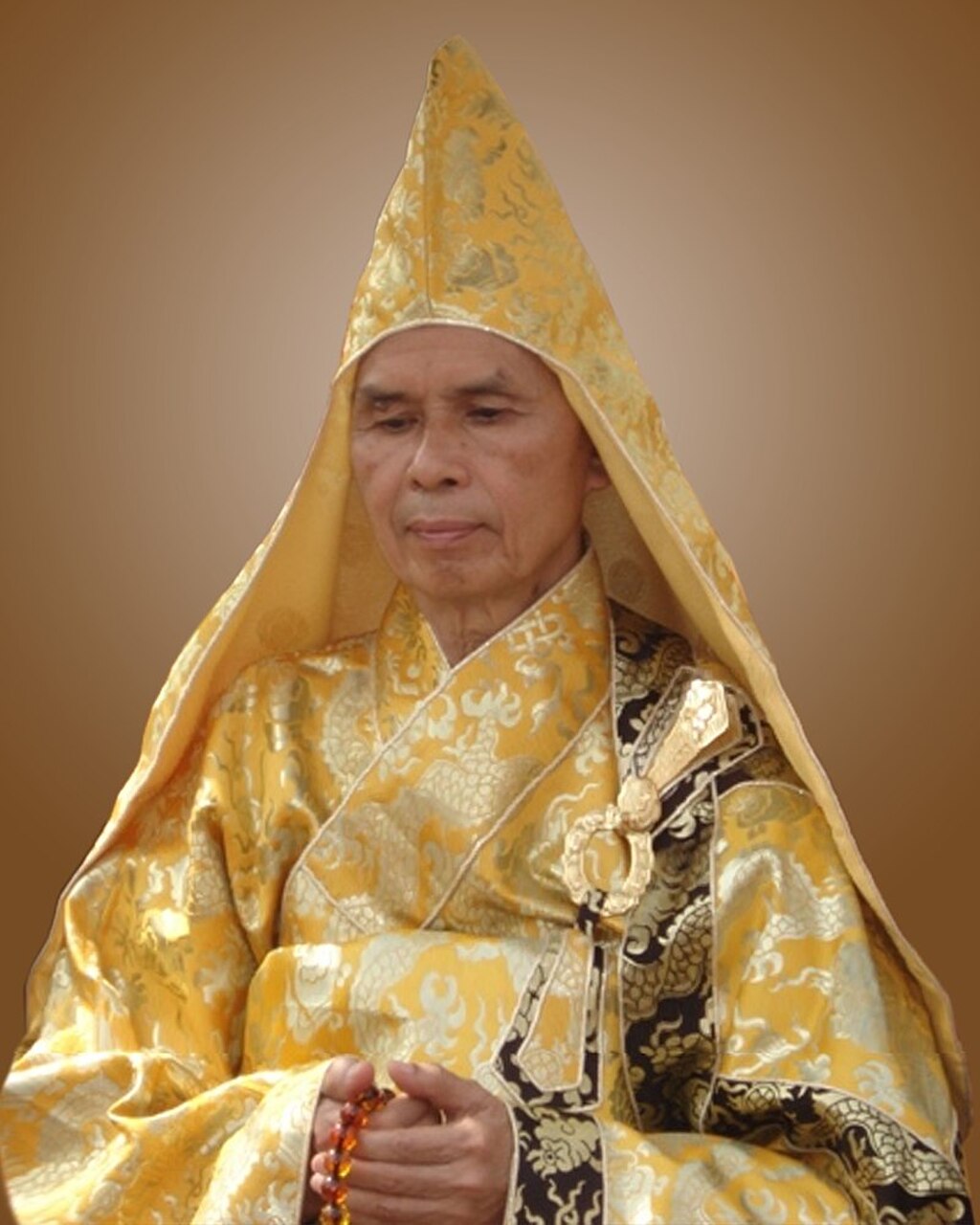
The Journey of Peace: One Step at a Time
Thich Nhat Hanh's profound assertion, "Peace begins with each step," invites us to consider the intimate relationship between our actions and our inner state. This quote emphasizes that peace is not a distant goal to be achieved but a present reality that unfolds with every mindful step we take. In a world often fraught with chaos and distraction, recognizing that peace is accessible in the simplicity of our movements can be transformative. It calls us to embody peace in our daily lives, suggesting that the journey toward tranquility starts not with grand gestures but with the small, deliberate actions we take each day.
Delving deeper into this notion, we find that each step symbolizes more than mere physical movement; it represents a conscious choice to cultivate serenity within ourselves. The act of walking, often taken for granted, becomes a profound practice of mindfulness when we infuse it with intention. This perspective shifts our understanding of peace from an abstract concept to a tangible experience, reminding us that every moment holds the potential for tranquility. By embracing this idea, we can begin to see how our daily lives can be infused with a sense of calm, regardless of external circumstances.
The image / the metaphor
At its core, the quote evokes a vivid image of walking—each step a deliberate act that carries the weight of intention and awareness. The choice of the word "step" is significant; it suggests movement, progress, and the gradual unfolding of peace. Each step we take can be seen as a microcosm of our journey through life, where we have the power to choose how we respond to the world around us. This imagery invites us to slow down, to be present in our movements, and to recognize the sacredness of each moment as we navigate our paths.
Moreover, the metaphor of walking as a means to peace extends beyond the physical act. It speaks to the idea that peace is not a destination but a process—a continuous journey that requires our active participation. Each step can be viewed as a practice of mindfulness, where we cultivate awareness of our thoughts, feelings, and surroundings. In this way, the act of walking becomes a spiritual practice, a reminder that peace is not something to be sought after but something to be realized in the here and now.
In the speaker's tradition
Thich Nhat Hanh's teachings are deeply rooted in the Buddhist tradition, where concepts such as mindfulness (sati) and interbeing play a crucial role in understanding the nature of peace. Mindfulness encourages us to be fully present in each moment, allowing us to cultivate a sense of calm amidst the chaos of life. Interbeing, a term coined by Hanh himself, emphasizes the interconnectedness of all beings, suggesting that our peace is intertwined with the peace of others. This perspective invites us to recognize that our individual actions have a ripple effect, influencing the collective experience of peace in the world.
In his seminal work, "Peace Is Every Step," Hanh elaborates on the importance of mindfulness in daily activities, illustrating how even the simplest actions can become opportunities for cultivating peace. He draws parallels between the act of walking and the practice of meditation, suggesting that both can lead us to a deeper understanding of ourselves and our place in the world. By integrating mindfulness into our daily routines, we can transform ordinary moments into profound experiences of peace, embodying the essence of Hanh's teachings.
Living the teaching
Consider a modern scenario where this teaching can be applied: a busy morning commute. As we rush to catch a train or navigate through traffic, the chaos can easily overwhelm us. However, by consciously choosing to walk mindfully, we can transform this seemingly mundane experience into a practice of peace. Each step can be an opportunity to breathe deeply, to notice the sensations in our bodies, and to appreciate the world around us. In doing so, we reclaim our agency and create a pocket of tranquility amidst the hustle and bustle of daily life.
Another application of this teaching might arise in the context of a challenging conversation with a loved one. In moments of conflict, it is easy to become reactive, allowing our emotions to dictate our responses. However, if we remember that peace begins with each step, we can choose to pause, breathe, and approach the situation with mindfulness. By taking a moment to ground ourselves before responding, we can foster a more compassionate dialogue, ultimately leading to a more peaceful resolution. This practice not only enhances our relationships but also reinforces the idea that peace is a choice we can make in every interaction.
A reflection
As we contemplate Thich Nhat Hanh's words, we are invited to reflect on our own lives: How can we embody peace in our daily actions? In what ways can we transform our routines into opportunities for mindfulness and serenity? By engaging with these questions, we open ourselves to the possibility of living more intentionally, allowing each step we take to be a testament to our commitment to peace. Ultimately, the journey toward tranquility is not a solitary endeavor; it is a collective practice that begins within each of us, one step at a time.




Join the BrightStar Community
Stay connected with daily inspiration, event announcements, and community wisdom