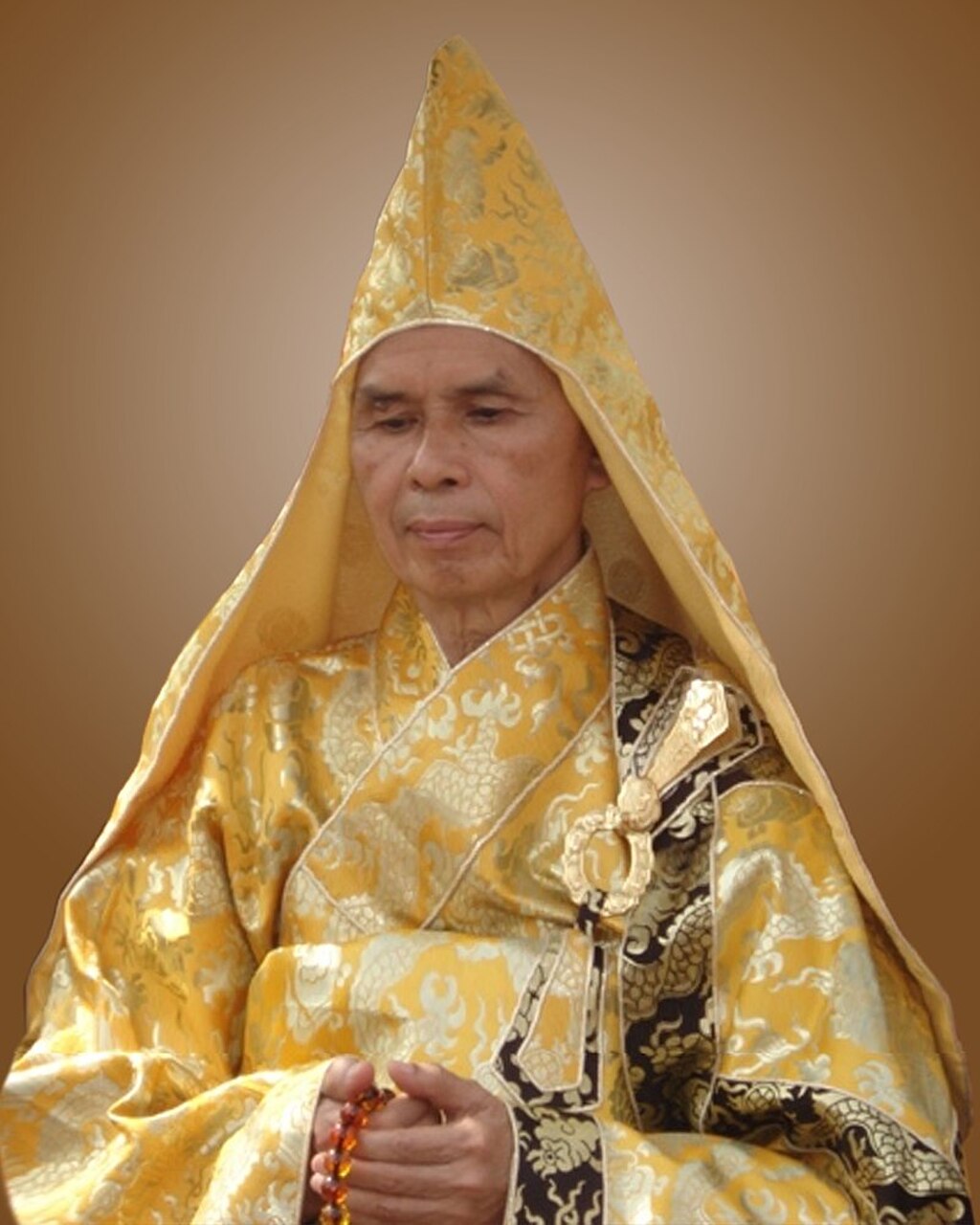
The Gentle Art of Presence
“Smile, breathe and go slowly.” In this succinct yet profound statement, Thich Nhat Hanh invites us to embrace a way of being that is often overshadowed by the frenetic pace of modern life. The simplicity of these three directives—smiling, breathing, and moving slowly—holds the potential to transform our experience of the present moment. In a world that often prioritizes speed and efficiency, this teaching serves as a gentle reminder of the importance of mindfulness and presence, urging us to cultivate a deeper connection with ourselves and our surroundings.
At its core, this quote encapsulates a philosophy that encourages us to engage with life more fully. Each element of the quote—smiling, breathing, and going slowly—can be seen as a practice in itself, a way to ground ourselves in the here and now. Thich Nhat Hanh, a master of mindfulness, emphasizes that these practices are not merely actions but pathways to a more profound state of awareness. By integrating these simple yet powerful practices into our daily lives, we can foster a sense of peace and clarity that often eludes us amidst the chaos of our routines.
The image / the metaphor
The imagery in Thich Nhat Hanh's quote is striking in its simplicity. To smile is to open oneself to joy and connection, to breathe is to acknowledge our existence and the life force within us, and to go slowly is to honor the present moment. Each verb carries a weight of intention, inviting us to engage with life in a manner that is both gentle and deliberate. The act of smiling can be seen as a bridge to others, a way to share our inner light, while breathing serves as a reminder of our vitality and the rhythm of life itself. Slowing down, in this context, becomes an act of rebellion against the hurried pace that often defines our existence.
Diving deeper into the metaphor, we can see that each component of this quote serves as a guidepost for mindful living. Smiling not only reflects our inner state but also influences those around us, creating a ripple effect of positivity. Breathing, often taken for granted, becomes a sacred practice that reconnects us with our bodies and the present moment. Going slowly is not merely about physical pace; it is an invitation to savor life, to appreciate the nuances of our experiences, and to cultivate a sense of gratitude for the ordinary. Together, these elements form a holistic approach to mindfulness, encouraging us to engage with life in a way that is both enriching and transformative.
In the speaker's tradition
Thich Nhat Hanh's teachings are deeply rooted in the Buddhist tradition, where mindfulness is a central tenet. The concepts of dharma and sunyata resonate profoundly with the essence of this quote. Dharma, often understood as the truth or the path, encourages us to align our actions with the fundamental nature of reality, while sunyata, or emptiness, invites us to recognize the interconnectedness of all things. In this light, the practices of smiling, breathing, and going slowly can be seen as expressions of our understanding of the dharma, allowing us to embody these principles in our daily lives.
Moreover, Thich Nhat Hanh’s emphasis on mindfulness can be likened to the teachings found in the Satipatthana Sutta, where the Buddha outlines the foundations of mindfulness. This ancient text encourages practitioners to cultivate awareness of the body, feelings, mind, and phenomena. By integrating the practices of smiling, breathing, and slowness into our lives, we align ourselves with the teachings of the Buddha, fostering a deeper understanding of our experiences and the world around us. In this way, Thich Nhat Hanh’s quote serves as a contemporary reminder of timeless wisdom.
Living the teaching
Consider a modern scenario where the teachings of Thich Nhat Hanh can be applied: the morning commute. For many, this time is fraught with stress, impatience, and a sense of urgency. However, by consciously choosing to smile at fellow commuters, take deep breaths, and approach the journey with a sense of slowness, one can transform this daily ritual into a practice of mindfulness. Instead of succumbing to frustration, one can cultivate a sense of connection and peace, allowing the commute to become an opportunity for reflection and presence.
In relationships, the teaching can manifest in moments of conflict or misunderstanding. When tensions rise, taking a moment to breathe deeply, smile, and slow down can create space for compassion and understanding. Instead of reacting impulsively, this practice encourages us to respond with awareness, fostering healthier communication and deeper connections. By embodying the essence of Thich Nhat Hanh's quote in our interactions, we can navigate the complexities of relationships with grace and mindfulness, ultimately enriching our connections with others.
A reflection
As we contemplate the wisdom encapsulated in Thich Nhat Hanh's quote, we are invited to consider how we can integrate these practices into our lives. What would it look like to approach each day with a commitment to smile, breathe, and go slowly? In what ways can we cultivate mindfulness amidst the busyness of our routines? These questions encourage us to reflect on our relationship with time, presence, and connection, guiding us toward a more intentional way of living.


Join the BrightStar Community
Stay connected with daily inspiration, event announcements, and community wisdom