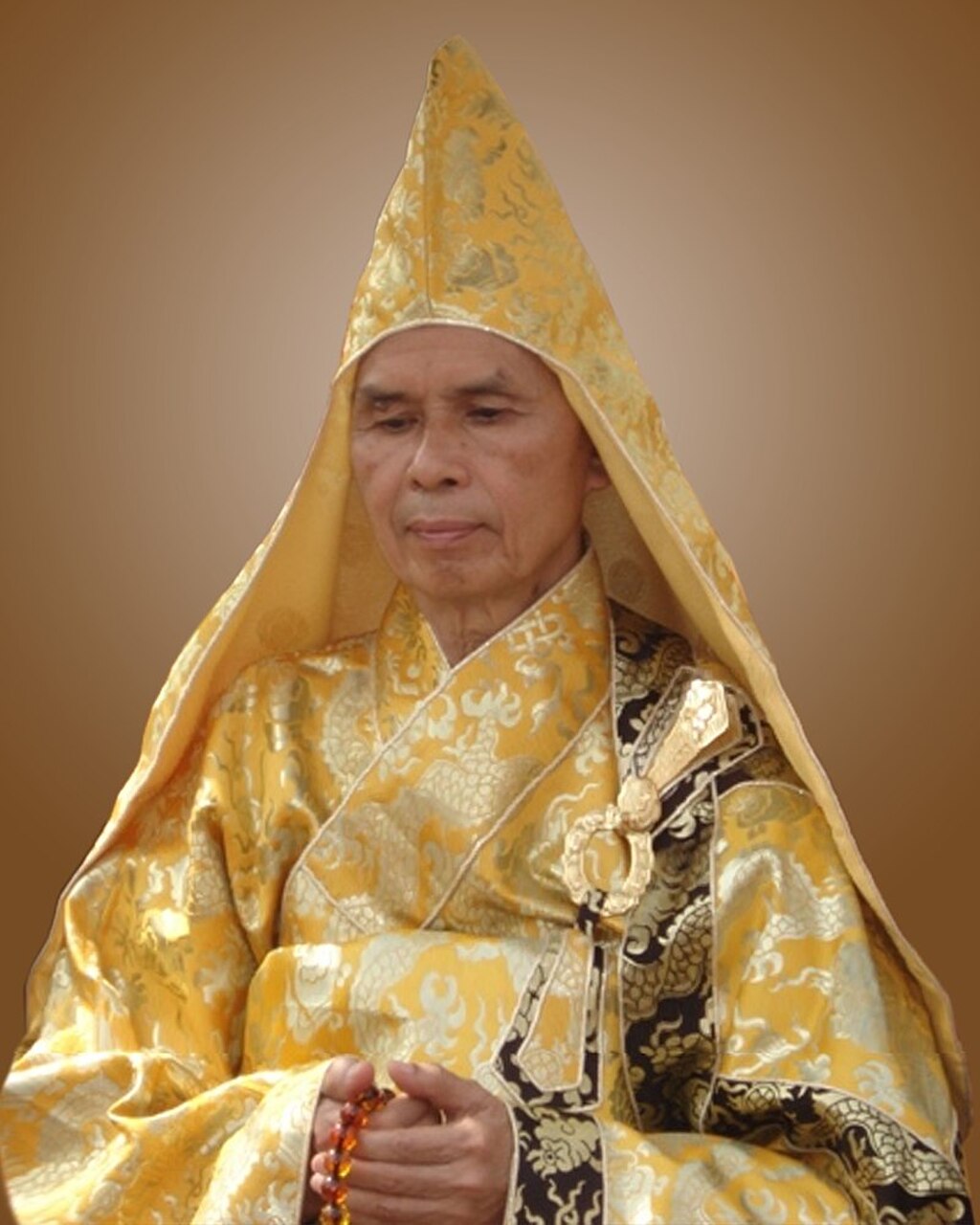
The Essence of Being: A Contemplation on Thich Nhat Hanh's Wisdom
Thich Nhat Hanh's assertion that "the most important question is not what you have or what you do, but how you are" invites us to shift our focus from external achievements and possessions to the quality of our inner lives. This profound statement challenges the prevailing societal norms that often equate worth with material success and productivity. In a world that constantly bombards us with messages about what we should attain, this teaching serves as a gentle reminder to prioritize our inner state of being, urging us to cultivate mindfulness and presence.
In a culture that often values doing over being, Hanh's words resonate deeply, urging us to reflect on the essence of our existence. The inquiry into "how you are" transcends superficial assessments of self-worth and success, inviting us to explore our emotional and spiritual landscapes. This contemplation is not merely an intellectual exercise; it is a call to engage with our true selves, to embrace vulnerability, and to nurture a compassionate relationship with ourselves and others.
The image / the metaphor
At first glance, the quote presents a stark contrast between the external and the internal. The imagery of "what you have" conjures notions of material possessions, status, and achievements, while "how you are" evokes a sense of inner peace, emotional stability, and authenticity. The verbs chosen—"have" and "do"—suggest a passive accumulation of external markers of success, whereas "how you are" implies an active engagement with one's inner state. This subtle shift in focus encourages a deeper exploration of our emotional and spiritual well-being.
Diving deeper into the metaphor, we can see that "how you are" encompasses a vast array of experiences, emotions, and states of consciousness. It invites us to consider our presence in the moment, our capacity for love and compassion, and our ability to connect with others. This perspective aligns with the Buddhist understanding of interconnectedness, where the quality of our being influences not only our own lives but also the lives of those around us. In this way, Hanh's teaching becomes a pathway toward cultivating a more compassionate and mindful existence.
In the speaker's tradition
Thich Nhat Hanh's teachings are deeply rooted in the Buddhist tradition, which emphasizes the importance of mindfulness and the cultivation of awareness. Central to this tradition is the concept of dharma, which refers to the teachings of the Buddha and the path to enlightenment. By focusing on "how you are," Hanh encourages practitioners to engage with their own dharma, fostering a deeper understanding of their thoughts, emotions, and actions. This inquiry aligns with the Buddhist practice of cultivating prajna, or wisdom, which arises from a clear understanding of one's own mind and heart.
Moreover, Hanh's emphasis on being resonates with the notion of sunyata, or emptiness, which teaches that our identities and experiences are not fixed but rather fluid and interconnected. This perspective invites us to let go of rigid self-definitions and to embrace the impermanence of our thoughts and feelings. In this light, "how you are" becomes a dynamic exploration of self, allowing for growth and transformation. Hanh's teachings echo the essence of the Heart Sutra, which states that form is emptiness and emptiness is form, reminding us that our true nature transcends material existence.
Living the teaching
Consider a modern scenario where this teaching can be applied: a busy professional caught in the relentless cycle of work deadlines and personal obligations. In such a context, the individual may find themselves measuring their worth by the number of tasks completed or the accolades received. However, by shifting the focus to "how you are," this person can begin to cultivate mindfulness in their daily routine, taking moments to breathe, reflect, and connect with their inner state. This practice can transform their experience from one of stress and anxiety to one of presence and peace.
In relationships, the teaching of "how you are" can also have profound implications. Imagine a couple navigating a challenging moment, where misunderstandings and frustrations arise. Instead of focusing solely on resolving the conflict through actions or words, they can turn inward to examine their emotional states and intentions. By prioritizing how they are feeling and being present with each other, they create a space for empathy and understanding, allowing for deeper connection and healing. This approach fosters a more compassionate relationship, rooted in awareness and authenticity.
A reflection
As we contemplate Thich Nhat Hanh's wisdom, we are invited to ask ourselves: "In what ways can I cultivate a deeper awareness of how I am in my daily life?" This question encourages us to explore our inner landscapes, to recognize the emotions and thoughts that shape our experiences, and to engage with ourselves and others more authentically. By prioritizing our inner state, we can begin to transform not only our own lives but also the lives of those around us, creating a ripple effect of mindfulness and compassion.


Join the BrightStar Community
Stay connected with daily inspiration, event announcements, and community wisdom