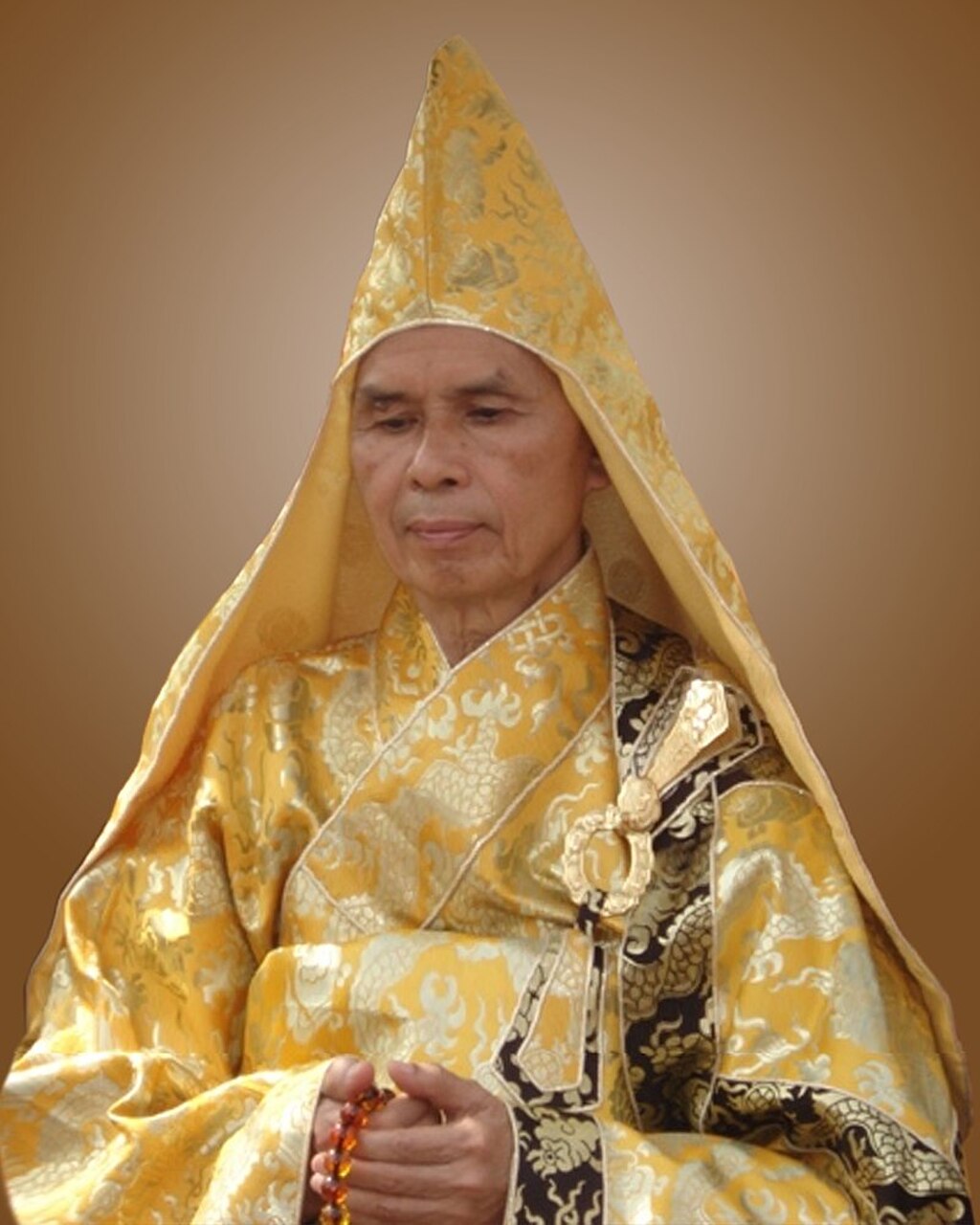
The Gift of Presence: A Path to Connection
Thich Nhat Hanh beautifully articulates that the most valuable offering we can extend to others is our presence. In a world often dominated by distractions and superficial interactions, this statement invites us to reflect deeply on the essence of our relationships. To be truly present is to engage with others in a way that transcends mere physical proximity; it is to share in the fullness of the moment, to listen with our hearts, and to connect authentically. This teaching resonates profoundly in our fast-paced lives, where the simple act of being present can transform our interactions and deepen our connections.
Moreover, the notion of presence as a gift suggests that it is not merely a passive state but an active choice. When we offer our presence, we are giving a part of ourselves, a commitment to engage with the world and those around us. This act of presence can foster understanding, compassion, and love, creating a ripple effect that enhances not only our lives but also the lives of others. In this light, Thich Nhat Hanh’s words serve as a gentle reminder of the power we hold to uplift and support one another through the simple act of being fully there.
The image / the metaphor
At first glance, the quote evokes a vivid image of two individuals sharing a moment, perhaps sitting together in silence or engaged in deep conversation. The choice of the word "gift" implies that presence is something precious, something that can be offered freely yet holds immense value. The act of being present is not just about physical attendance; it encompasses emotional and spiritual engagement. This imagery invites us to consider how often we are physically present yet mentally elsewhere, distracted by our thoughts or devices, and how this diminishes the quality of our interactions.
Diving deeper into the metaphor, we can see that presence is akin to a sacred space where genuine connection occurs. It is an invitation to be vulnerable, to share our true selves without the barriers that often separate us. In this space, we can cultivate empathy and understanding, allowing us to witness the beauty and struggles of others. Thus, the metaphor of presence as a gift emphasizes its transformative power, suggesting that when we offer our full attention, we create an environment where love and compassion can flourish.
In the speaker's tradition
Thich Nhat Hanh’s teachings are deeply rooted in the Buddhist tradition, where concepts such as mindfulness, compassion, and interbeing play a pivotal role. The idea of presence aligns closely with the Buddhist practice of mindfulness, which encourages us to be fully aware of our thoughts, feelings, and surroundings. This awareness fosters a sense of connection not only to ourselves but also to others, as we recognize the shared human experience. Additionally, the concept of interbeing, which posits that all beings are interconnected, underscores the importance of being present for one another, as our actions and presence can profoundly impact those around us.
In his seminal work, "The Miracle of Mindfulness," Thich Nhat Hanh emphasizes the importance of being present in each moment, suggesting that this practice can lead to greater peace and understanding. He draws upon the teachings of the Buddha, who spoke of the importance of right mindfulness as a path to enlightenment. By cultivating presence, we not only honor ourselves but also acknowledge the interconnectedness of all beings, allowing us to live more compassionately and authentically.
Living the teaching
Consider a modern scenario where this teaching resonates: a busy parent returning home after a long day. As they walk through the door, their mind is still occupied with work-related thoughts, emails to respond to, and tasks to complete. However, if they consciously choose to set aside these distractions and engage fully with their children, they offer a precious gift of presence. This simple act can transform the atmosphere of the home, fostering deeper connections and creating lasting memories, as the children feel seen and valued in that moment.
Another application of this teaching can be found in the realm of relationships. Imagine a couple navigating a difficult conversation. Instead of allowing their minds to wander or becoming defensive, they can practice being fully present with one another, listening deeply and responding with empathy. This commitment to presence can diffuse tension and foster understanding, allowing both partners to feel heard and respected. In daily practice, cultivating presence can be as simple as setting aside time to engage in mindful conversations, where distractions are minimized, and the focus is on truly connecting with one another.
A reflection
As we contemplate Thich Nhat Hanh’s profound statement, we are invited to consider: How often do we truly offer our presence to others? In what ways can we cultivate a deeper sense of presence in our daily interactions? This reflection encourages us to explore the transformative power of being fully engaged with those around us, recognizing that our presence can be a source of healing and connection in a world that often feels fragmented.


Join the BrightStar Community
Stay connected with daily inspiration, event announcements, and community wisdom