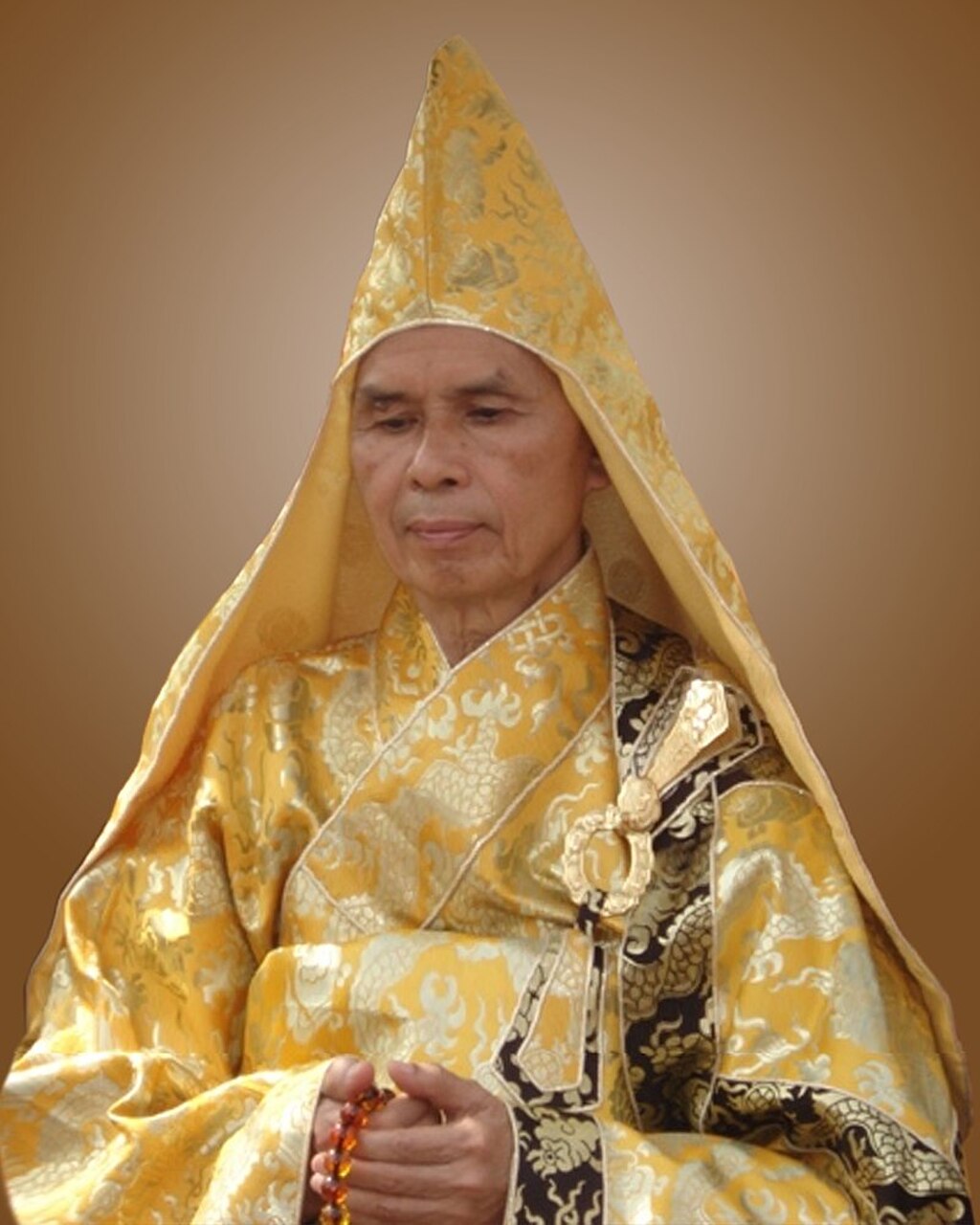
The Path to Peace: Embracing Presence
Thich Nhat Hanh's assertion that "There is no other way to peace but presence" invites us to explore the profound connection between our state of being and our experience of peace. In a world often characterized by distraction and disconnection, this statement serves as a gentle reminder that true tranquility is found not in external circumstances but in the depth of our awareness and presence. The stakes are high; without cultivating presence, we risk losing touch with the essence of our lives, perpetually chasing after fleeting moments of satisfaction.
To deepen our understanding, we must consider what it means to be present. Presence is not merely the absence of distraction; it is an active engagement with the moment, a full-bodied experience of life as it unfolds. Thich Nhat Hanh invites us to recognize that peace is not a distant goal to be achieved but a state of being that arises when we anchor ourselves in the here and now. This teaching resonates deeply in our fast-paced society, where the allure of multitasking often leads us away from the richness of our immediate experience.
The image / the metaphor
The imagery in Thich Nhat Hanh's quote evokes a sense of immediacy and urgency. The phrase "no other way" suggests a singular path, emphasizing that peace is not a matter of choice but a necessity rooted in our ability to be present. The verb "is" implies a state of existence, a reminder that peace is not something we can attain through external means but rather something that arises from within when we fully inhabit our current experience. This felt sense of presence is akin to standing in a serene garden, where the beauty of each flower and the gentle rustle of leaves can only be appreciated when we pause and truly observe.
Diving deeper into the metaphor, presence can be likened to a still pond, reflecting the world around it without distortion. When we are present, we allow our thoughts and emotions to settle, creating a space where clarity and peace can emerge. This stillness is essential; it is in this quietude that we can hear the whispers of our own hearts and the world around us. The metaphor of the pond serves as a reminder that, like water, our minds can be turbulent or calm, and it is our presence that determines the clarity of our reflections.
In the speaker's tradition
Thich Nhat Hanh's teachings are deeply rooted in the Buddhist tradition, where concepts such as mindfulness (sati) and the nature of suffering (dukkha) play pivotal roles. Mindfulness invites us to cultivate awareness of our thoughts, feelings, and surroundings, allowing us to experience the present moment fully. This practice aligns with the notion of sunyata, or emptiness, which teaches that our perceptions are often clouded by attachments and distractions. By embracing presence, we can begin to see through these illusions, recognizing that peace is not found in external validation but in the acceptance of our current reality.
In his seminal work, "Peace Is Every Step," Thich Nhat Hanh emphasizes the importance of mindful breathing as a gateway to presence. This practice echoes the teachings found in the Satipatthana Sutta, where the Buddha outlines the foundations of mindfulness. By anchoring ourselves in our breath, we can cultivate a sense of awareness that allows us to navigate the complexities of life with grace and equanimity. The teachings of Thich Nhat Hanh serve as a bridge, connecting ancient wisdom with contemporary challenges, reminding us that the path to peace is always available to us through the practice of presence.
Living the teaching
Consider a modern scenario where the teaching of presence can be applied: a busy professional juggling multiple responsibilities. In the midst of meetings, deadlines, and constant notifications, it is easy to become overwhelmed and lose sight of what truly matters. By consciously choosing to pause and take a few deep breaths, this individual can reconnect with the present moment, allowing for a clearer perspective and a more peaceful state of mind. This simple act of presence can transform a chaotic day into a series of manageable moments, fostering a sense of calm amidst the storm.
Another application of this teaching can be found in relationships, particularly during moments of conflict. When tensions rise, it is often tempting to react impulsively, driven by emotions that cloud our judgment. However, by practicing presence, we can create space for understanding and compassion. Taking a moment to breathe and truly listen to the other person can shift the dynamic, allowing for a more constructive dialogue. In this way, presence becomes a powerful tool for fostering connection and resolving conflict, ultimately leading to greater peace in our interactions.
A reflection
As we contemplate Thich Nhat Hanh's profound statement, we are invited to reflect on our own relationship with presence. How often do we find ourselves lost in thoughts of the past or future, missing the beauty of the present moment? In what ways can we cultivate a deeper sense of awareness in our daily lives? By engaging with these questions, we open ourselves to the possibility of discovering peace in the here and now, embracing the richness of each moment as it unfolds.




Join the BrightStar Community
Stay connected with daily inspiration, event announcements, and community wisdom