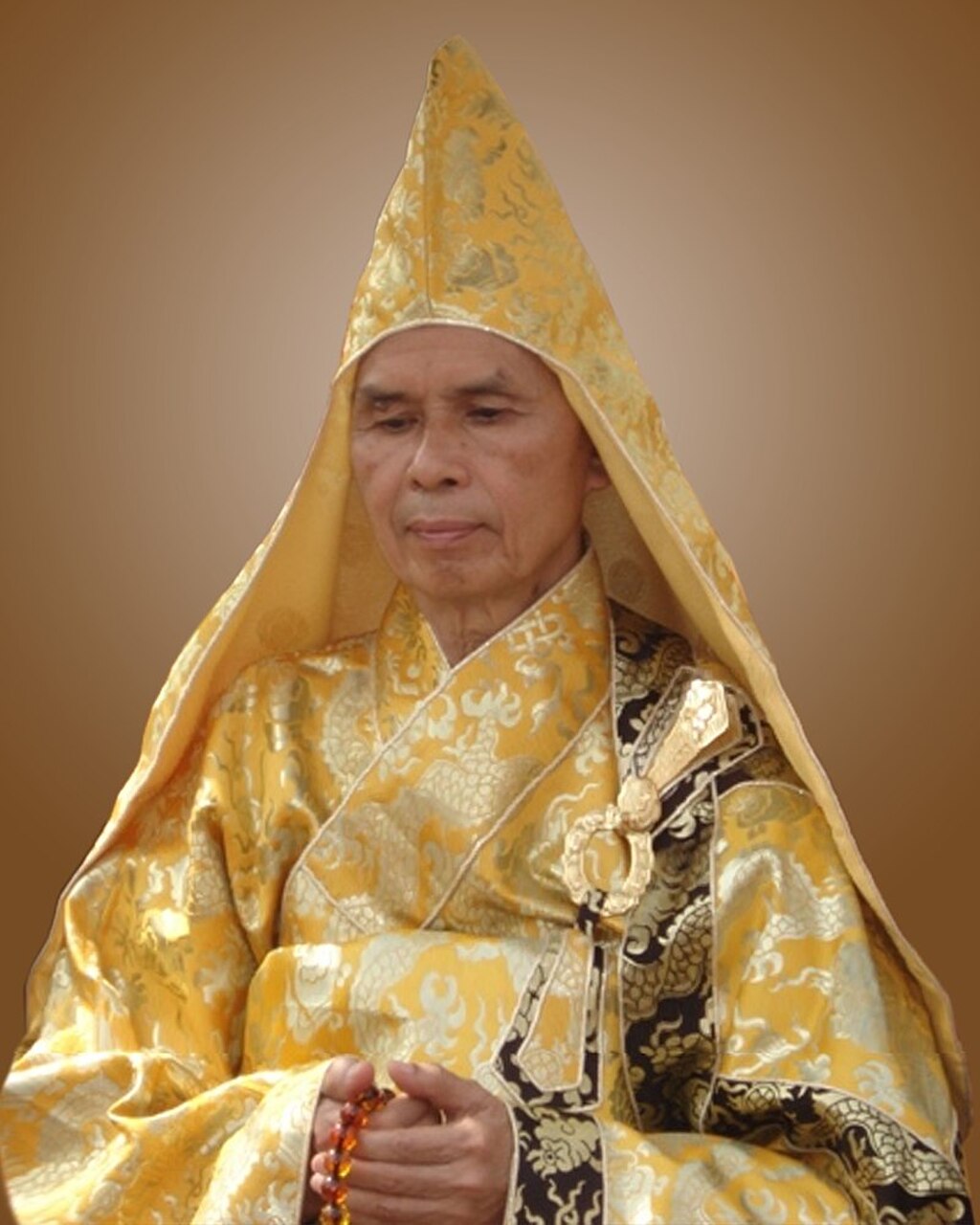
The Path of Peace: Embracing the Journey Within
Thich Nhat Hanh's profound assertion, "There is no way to peace, peace is the way," invites us to reconsider our understanding of peace not as a distant goal to be achieved, but as an intrinsic aspect of our daily existence. This perspective shifts the focus from external circumstances to internal practices, emphasizing that peace is not a destination but a continuous journey. In a world often fraught with chaos and conflict, this teaching serves as a gentle reminder that cultivating peace within ourselves is essential for fostering harmony in our surroundings.
By framing peace as a path rather than a mere outcome, Thich Nhat Hanh encourages us to engage with the present moment fully. This approach resonates deeply within the context of mindfulness, a cornerstone of his teachings. It suggests that every step we take, every breath we draw, can be infused with peace, transforming our daily lives into a series of mindful practices. This understanding challenges us to explore how our thoughts, actions, and intentions can align with the essence of peace, revealing the profound impact of our inner state on the world around us.
The image / the metaphor
The imagery in Thich Nhat Hanh's quote evokes a sense of movement and fluidity, suggesting that peace is not a static state but a dynamic process. The phrase "peace is the way" implies that the journey itself is imbued with tranquility, inviting us to walk mindfully along our paths. The verbs chosen—"is" and "way"—convey a sense of immediacy and presence, urging us to recognize that peace exists in the here and now, rather than as a future aspiration. This felt sense of peace as a journey invites us to explore how each moment can be a step toward greater serenity.
Diving deeper into the metaphor, we can see that the path to peace is often fraught with obstacles, much like a winding trail through a dense forest. Each challenge we encounter—be it emotional turmoil, interpersonal conflict, or societal unrest—can serve as an opportunity for growth and understanding. By embracing these moments with mindfulness, we can transform them into stepping stones on our journey toward inner peace. This metaphor encourages us to view our experiences not as hindrances but as integral parts of the path itself, enriching our understanding of what it means to live peacefully.
In the speaker's tradition
Thich Nhat Hanh's teachings are deeply rooted in the Buddhist tradition, where concepts such as dharma and mindfulness play a pivotal role in understanding the nature of existence. The notion of peace as a path aligns with the Buddhist principle of "right action," which emphasizes the importance of intentionality in our thoughts and deeds. This perspective invites practitioners to cultivate a sense of awareness that transcends mere reaction, allowing them to respond to life's challenges with compassion and equanimity. In this light, peace becomes a practice, a way of being that is cultivated through mindful engagement with the world.
In his seminal work, "Peace Is Every Step," Thich Nhat Hanh draws upon the teachings of the Buddha, particularly the Four Noble Truths, which illuminate the nature of suffering and the path to liberation. By recognizing that suffering is an inherent part of life, we can begin to understand that peace is not the absence of conflict but the presence of understanding and compassion. This aligns with the Buddhist concept of sunyata, or emptiness, which teaches us that our perceptions of reality are often clouded by attachment and aversion. By letting go of these attachments, we can uncover the peace that lies within, allowing it to guide our actions and interactions.
Living the teaching
Consider a modern scenario where the teaching of "peace is the way" can be applied: a hectic day at work filled with deadlines and interpersonal tensions. In such moments, it is easy to become overwhelmed, viewing peace as something to be attained only after the chaos subsides. However, by consciously choosing to practice mindfulness—taking a few deep breaths, grounding oneself in the present moment, and approaching each task with intention—one can cultivate a sense of peace amidst the storm. This practice not only enhances personal well-being but also positively influences the workplace environment, fostering collaboration and understanding.
Another application of this teaching can be found in relationships, particularly during conflicts. When disagreements arise, it is common to focus on winning the argument or proving a point. However, by embodying the principle that "peace is the way," individuals can shift their focus from the outcome to the process of communication. This involves listening deeply, responding with empathy, and seeking common ground. In doing so, the relationship itself becomes a practice of peace, transforming potential discord into an opportunity for deeper connection and understanding.
A reflection
As we contemplate Thich Nhat Hanh's wisdom, we are invited to reflect on our own lives: How can we embody the principle that peace is not a destination but a way of being? In what areas of our lives do we seek peace as an end goal, rather than recognizing it as a continuous practice? This contemplation encourages us to explore the ways in which we can integrate mindfulness and compassion into our daily routines, ultimately leading us toward a more peaceful existence.


Join the BrightStar Community
Stay connected with daily inspiration, event announcements, and community wisdom