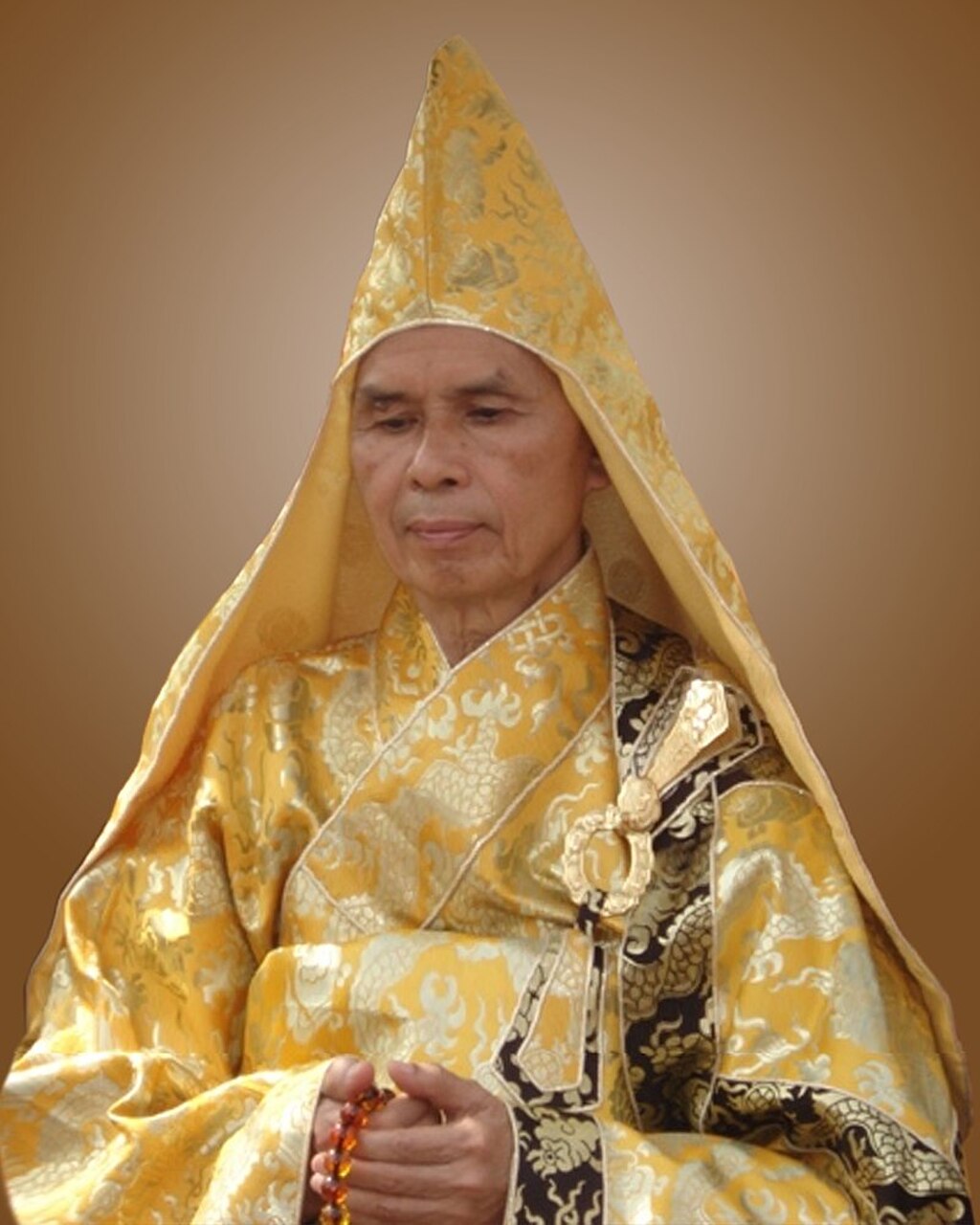
The Freedom Found in Letting Go
Thich Nhat Hanh's assertion that "letting go gives us freedom, and freedom is the only condition for happiness" invites us to reconsider our relationship with attachment and desire. In a world often driven by the pursuit of material gain and emotional security, this teaching serves as a gentle reminder that true liberation lies not in clinging but in the art of release. The stakes are high; our happiness hinges on our ability to navigate the complexities of life without being ensnared by our attachments.
As we delve deeper into this quote, we uncover layers of meaning that resonate with the core of human experience. Letting go is not merely an act of relinquishing control; it is a profound transformation that opens the door to freedom. This freedom, in turn, is the fertile ground from which genuine happiness can blossom. Thich Nhat Hanh's wisdom encourages us to explore the paradox that by releasing our grip on what we hold dear, we may discover a more profound sense of peace and joy.
The image / the metaphor
The imagery in Thich Nhat Hanh's quote evokes a sense of lightness and liberation. The act of "letting go" suggests a release, a shedding of burdens that weigh us down. The verbs chosen—"gives" and "is"—imply a direct relationship between the act of letting go and the resultant freedom. This felt sense of release resonates deeply; it conjures images of a bird soaring into the sky, unencumbered by the chains of its past. The metaphor of flight encapsulates the essence of freedom, suggesting that true happiness is found not in the accumulation of possessions or experiences but in the ability to rise above them.
Diving deeper into this metaphor, we can see that letting go is akin to the process of pruning a tree. Just as a gardener removes dead branches to allow new growth, we too must relinquish outdated beliefs, toxic relationships, and unfulfilled desires to foster our own flourishing. This act of pruning is not an act of destruction but rather one of nurturing, allowing us to cultivate a life rich in meaning and connection. The metaphor invites us to consider what we might need to release in order to embrace the fullness of our existence.
In the speaker's tradition
Thich Nhat Hanh's teaching is deeply rooted in the Buddhist tradition, where concepts such as dharma and sunyata (emptiness) illuminate the path to liberation. The notion of letting go aligns with the practice of non-attachment, which is central to Buddhist philosophy. In this context, freedom is not merely the absence of constraints but a profound understanding of the impermanence of all things. The practice of mindfulness, a cornerstone of Thich Nhat Hanh's teachings, encourages us to observe our thoughts and feelings without clinging to them, fostering a sense of spaciousness that allows for true happiness to emerge.
In the Pali Canon, the Buddha speaks of the importance of relinquishing attachments to achieve enlightenment. In the Dhammapada, it is stated, "He who has given up all desires is free from suffering." This echoes Thich Nhat Hanh's assertion that freedom is essential for happiness. The teachings of the Buddha remind us that our suffering often stems from our attachments, and by letting go, we can transcend the cycle of craving and aversion that binds us to discontent.
Living the teaching
Consider a modern scenario where this teaching resonates: a person grappling with the loss of a job. The instinctive response may be to cling to the past, to mourn the security and identity that the job provided. However, by embracing the practice of letting go, this individual can begin to see the opportunity for growth and new beginnings. The act of releasing the attachment to their former role allows them to explore new paths, fostering resilience and adaptability in the face of uncertainty. This shift in perspective transforms a moment of loss into a gateway for freedom and potential.
In relationships, the teaching of letting go can be equally transformative. Imagine a couple facing ongoing conflict, each partner holding tightly to their grievances and expectations. By practicing the art of letting go—releasing the need to be right or to control the other—both individuals can create space for understanding and compassion. This act of surrendering the desire to cling to past hurts opens the door to deeper connection and intimacy, illustrating how freedom from attachment can lead to a more harmonious and fulfilling relationship.
A reflection
As we contemplate Thich Nhat Hanh's profound insight, we are invited to reflect on our own lives: What attachments are we holding onto that may be hindering our freedom and happiness? This question encourages us to engage in a contemplative practice, examining the beliefs, relationships, and desires that may no longer serve us. In this exploration, we may discover the liberating power of letting go, ultimately leading us to a more profound sense of peace and joy.


Join the BrightStar Community
Stay connected with daily inspiration, event announcements, and community wisdom