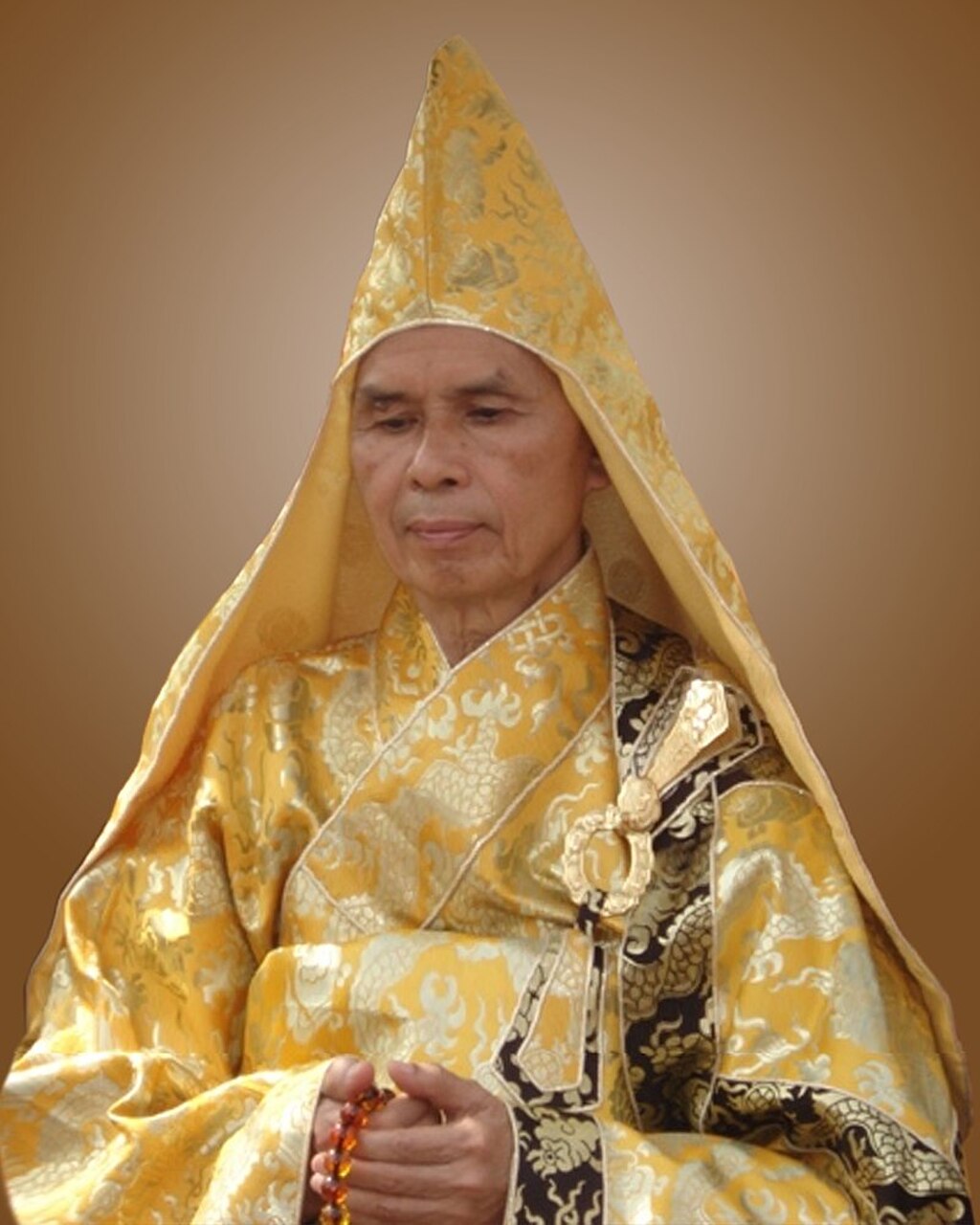
The Path of Happiness: A Journey Within
Thich Nhat Hanh's profound assertion, "There is no way to happiness. Happiness is the way," invites us to reconsider our understanding of joy and fulfillment. Rather than viewing happiness as a distant destination to be reached through external achievements or circumstances, he suggests that it is an intrinsic part of our journey. This perspective is not merely philosophical; it is a call to embrace the present moment as the very essence of happiness, urging us to cultivate awareness and appreciation in our daily lives.
In a world often fixated on future goals and material success, this teaching holds significant relevance. It challenges the pervasive belief that happiness is contingent upon external validation or the attainment of specific life milestones. Instead, Thich Nhat Hanh encourages us to recognize that happiness is woven into the fabric of our everyday experiences. By shifting our focus from a linear pursuit of joy to an appreciation of the present moment, we can uncover a deeper sense of peace and contentment that is always available to us.
The image / the metaphor
The imagery in Thich Nhat Hanh's quote is striking in its simplicity yet profound in its implications. The phrase "there is no way to happiness" suggests a path that is often sought but ultimately elusive when approached as a destination. The verb "is" in "happiness is the way" transforms our understanding, indicating that happiness is not a goal to be achieved but a state of being to be realized in the here and now. This invites us to engage with life as it unfolds, rather than waiting for a future moment that may never arrive.
Diving deeper into this metaphor, we can see that happiness is likened to a journey rather than a fixed point on a map. It encourages us to embrace the process of living, to find joy in the mundane, and to cultivate mindfulness in our actions. This perspective aligns with the Zen practice of being fully present, where each moment is an opportunity for joy, regardless of external circumstances. The invitation is to walk the path of life with awareness, allowing happiness to emerge naturally from our experiences.
In the speaker's tradition
Thich Nhat Hanh's teachings are deeply rooted in the Zen tradition, which emphasizes the importance of mindfulness and the interconnectedness of all beings. Concepts such as dharma, the natural law of the universe, and sunyata, or emptiness, play a crucial role in understanding his perspective on happiness. In Zen, the realization that happiness is inherent in the present moment aligns with the practice of kenosis, or self-emptying, where one lets go of attachments and preconceived notions about what happiness should look like.
A relevant text that echoes this sentiment is the Heart Sutra, which teaches that form is emptiness and emptiness is form. This profound realization encourages practitioners to see beyond the illusions of separation and to recognize that true happiness arises from within. By understanding the nature of reality as fluid and interconnected, we can begin to appreciate that happiness is not something to be grasped but rather a quality of awareness that can be cultivated through mindful living.
Living the teaching
Consider a modern scenario where this teaching might resonate: a busy professional who constantly chases promotions and accolades, believing that these achievements will bring happiness. Each day is filled with stress and anxiety, as the individual measures their worth against societal standards. However, if they were to embrace Thich Nhat Hanh's wisdom, they might begin to find joy in the small moments of their day—savoring a cup of tea, enjoying a conversation with a colleague, or taking a mindful walk during lunch. By shifting their focus from future aspirations to present experiences, they can cultivate a sense of happiness that is independent of external validation.
Another application of this teaching can be found in relationships. Imagine a couple who often argue over unmet expectations, believing that their happiness depends on each other's actions. By practicing mindfulness and recognizing that happiness is not contingent upon their partner's behavior, they can learn to appreciate each other more fully. This shift allows them to engage in their relationship with greater compassion and understanding, fostering a deeper connection that is rooted in the present moment rather than in a quest for perfection.
A reflection
As we contemplate Thich Nhat Hanh's assertion that "happiness is the way," we are invited to reflect on our own lives and the ways we seek joy. Are we often caught in the cycle of striving for future happiness, or can we find contentment in the present moment? Consider this contemplative question: What small moments in your daily life can you fully embrace as sources of happiness, and how might this shift your overall perspective on joy?


Join the BrightStar Community
Stay connected with daily inspiration, event announcements, and community wisdom