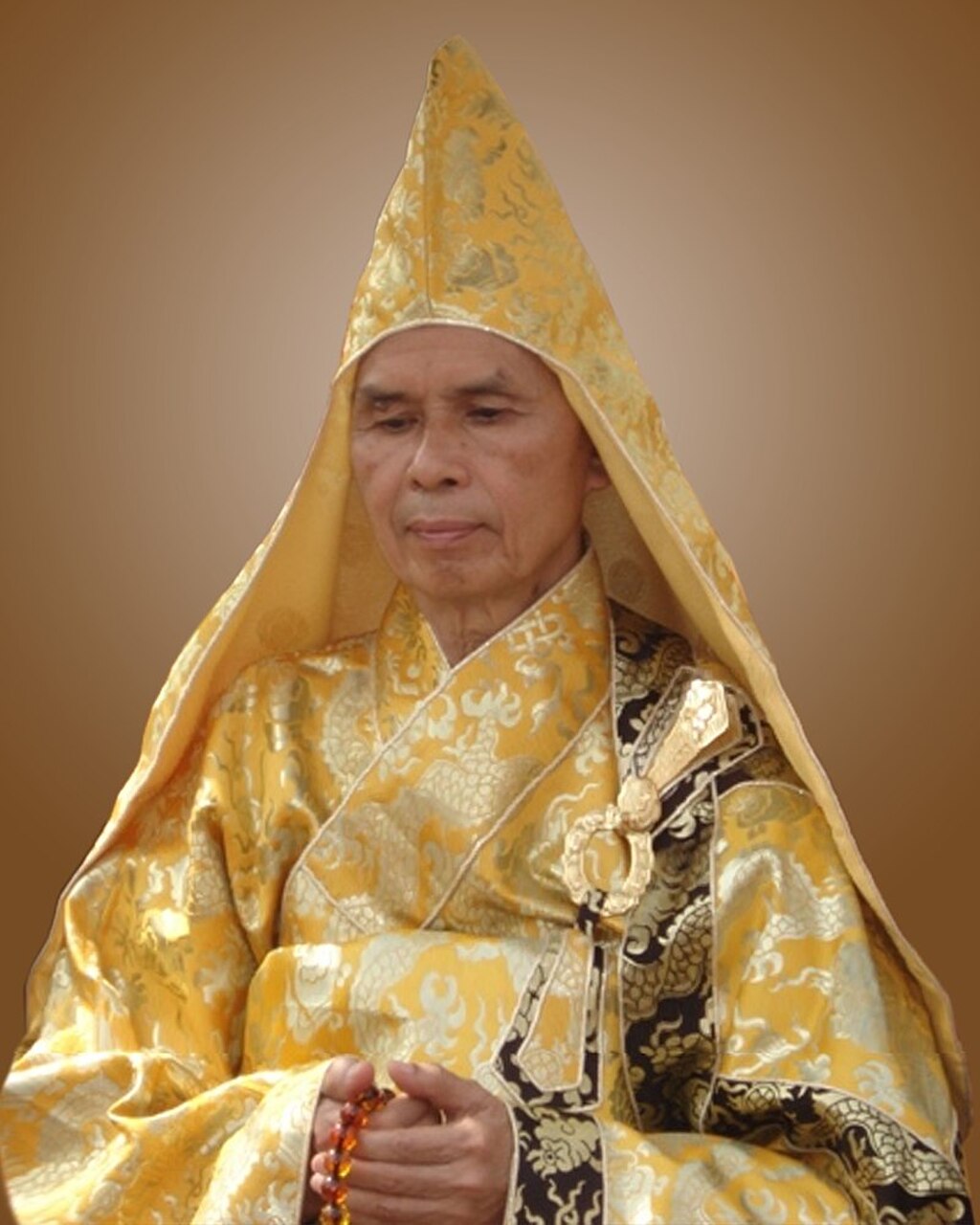
The Path of Happiness: A Journey Within
Thich Nhat Hanh's assertion that "There is no way to happiness - happiness is the way" invites us to reconsider our relationship with joy. This statement challenges the pervasive notion that happiness is a distant goal, something to be achieved through external circumstances or future accomplishments. Instead, it suggests that happiness is not a destination but a state of being that can be cultivated in the present moment. Understanding this distinction is crucial, as it shifts our focus from chasing fleeting pleasures to embracing the richness of our current experiences.
In a world often characterized by relentless striving and the pursuit of success, this teaching serves as a gentle reminder to pause and reflect on our inner landscape. Happiness, as Thich Nhat Hanh articulates, is not contingent upon external validation or material gain; rather, it is found in the simple act of being present. This perspective invites us to explore the depths of our own consciousness and to recognize that joy can be accessed in the here and now, regardless of our circumstances. By embodying this principle, we open ourselves to a more profound and lasting sense of fulfillment.
The image / the metaphor
The imagery in Thich Nhat Hanh's quote evokes a sense of immediacy and presence. The phrase "happiness is the way" suggests a path that is not linear but rather a continuous journey. The verbs chosen—"is" rather than "will be"—indicate that happiness is not something to be attained in the future but a quality that can be experienced in every moment. This subtle yet powerful distinction encourages us to engage with our lives fully, to savor each experience as it unfolds, and to recognize that the essence of joy resides in our awareness.
In the speaker's tradition
Thich Nhat Hanh's teaching is deeply rooted in Buddhist philosophy, particularly the concepts of mindfulness and the nature of suffering. In Buddhism, the idea of "dukkha," often translated as suffering or dissatisfaction, underscores the importance of recognizing the transient nature of our experiences. By understanding that happiness is not a fixed state but a fluid process, we can begin to alleviate our own suffering. This aligns with the Buddhist practice of "sati," or mindfulness, which encourages us to be aware of our thoughts and feelings without attachment or aversion.
Furthermore, Thich Nhat Hanh's emphasis on happiness as a way resonates with the teachings found in the "Dhammapada," a collection of verses attributed to the Buddha. One particular verse states, "Happiness comes from within. It is not something you can seek outside." This echoes the sentiment that true joy arises from our inner state rather than external circumstances. By cultivating awareness and compassion, we can navigate the complexities of life with grace, finding happiness in the present moment.
Living the teaching
Consider a modern scenario where this teaching can be applied: a busy professional caught in the whirlwind of deadlines and responsibilities. Often, such individuals may postpone their happiness, believing that it will come once they achieve a certain milestone or complete a project. However, by embracing Thich Nhat Hanh's perspective, they can learn to find joy in the process itself—taking mindful breaks, appreciating small victories, and connecting with colleagues in meaningful ways. This shift in mindset transforms the workplace into a space where happiness is not a reward but an integral part of the journey.
In relationships, this teaching can also have profound implications. Imagine a couple navigating the challenges of daily life, often caught in the cycle of unmet expectations and frustrations. By practicing mindfulness and recognizing that happiness is not contingent upon the other person’s actions, they can cultivate a deeper connection. Instead of waiting for the perfect moment to express love or appreciation, they can choose to celebrate the present, finding joy in shared experiences and the simple act of being together. This approach fosters a sense of gratitude and presence that enriches their relationship.
A reflection
As we contemplate Thich Nhat Hanh's profound insight, we are invited to reflect on our own lives: How often do we postpone our happiness, waiting for external conditions to align? In what ways can we cultivate a sense of joy in our daily experiences, regardless of our circumstances? By engaging with these questions, we can begin to embody the teaching that happiness is not a distant goal but a way of being that is accessible to us in every moment.


Join the BrightStar Community
Stay connected with daily inspiration, event announcements, and community wisdom