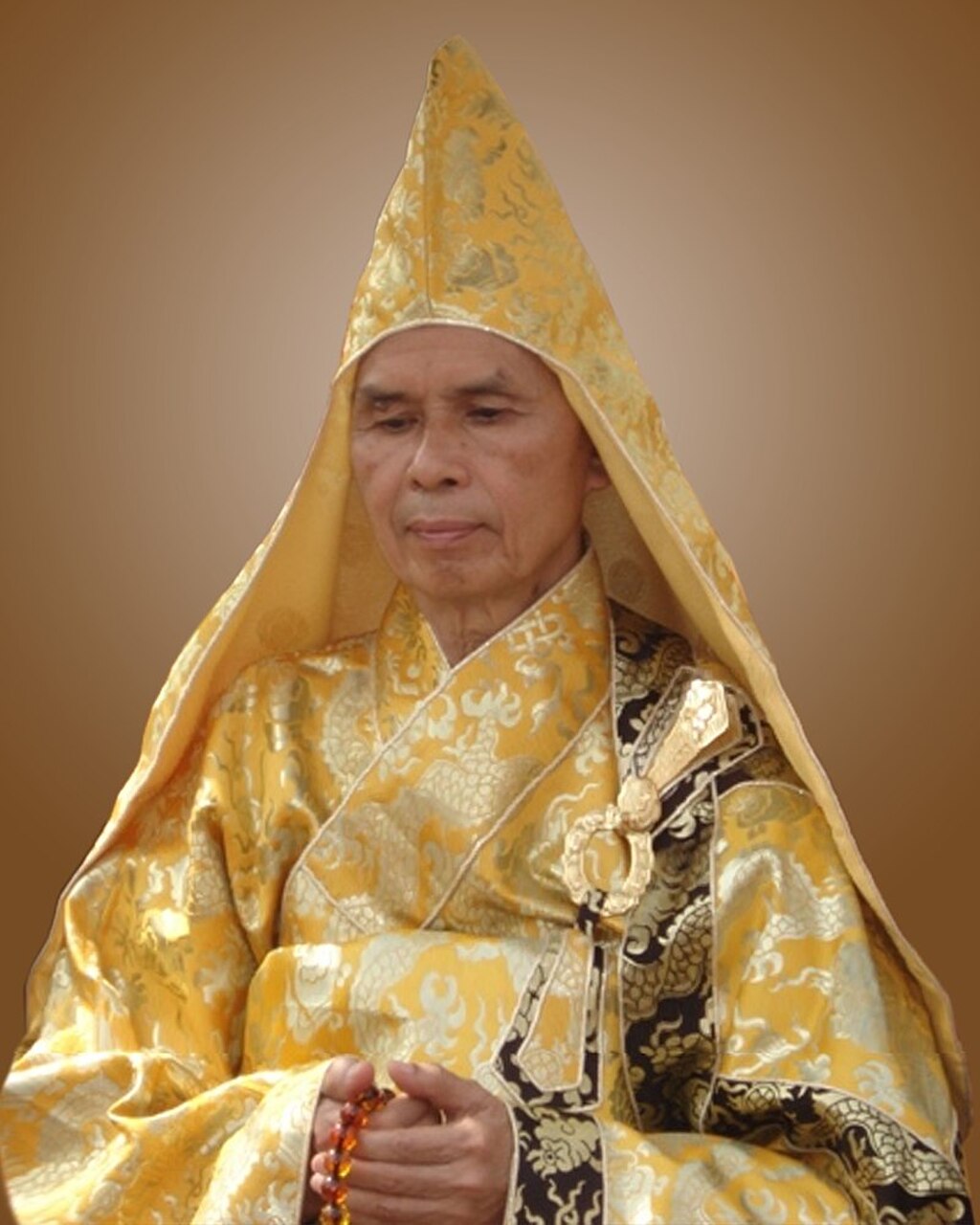
The Essence of Interbeing: A Journey into Connection
Thich Nhat Hanh's profound assertion, "To be is to inter-be," invites us to reconsider our understanding of existence itself. This statement suggests that our very essence is not isolated but rather intricately woven into the fabric of the universe and the lives of others. In a world often characterized by individualism and separation, this teaching serves as a gentle reminder of our interconnectedness, urging us to recognize that our being is contingent upon the existence of everything around us.
Delving deeper, we find that this concept of interbeing transcends mere coexistence; it speaks to a fundamental truth about the nature of reality. Each moment, each breath, and each interaction is a testament to the relationships that define us. The implications of this understanding extend into our daily lives, shaping how we relate to ourselves, others, and the world at large. By embracing the notion of interbeing, we open ourselves to a more compassionate and holistic way of living, one that acknowledges the profound impact of our actions and thoughts on the collective whole.
The image / the metaphor
At its core, the phrase "to be is to inter-be" evokes a vivid image of a vast web, where each strand represents a life, a thought, or an action. The verb "to be" suggests a state of existence, while "inter-be" introduces a dynamic interplay, emphasizing that our identities are not static but rather fluid and interconnected. This imagery invites us to feel the pulse of life that flows through all beings, reminding us that our joys and sorrows are shared experiences, echoing through the lives of others.
Moreover, the metaphor of interbeing challenges the conventional understanding of selfhood. It encourages us to see ourselves not as isolated entities but as participants in a larger dance of existence. Just as a tree cannot thrive without the soil, sunlight, and rain, we too are nourished by the relationships and environments that surround us. This deeper exploration of the metaphor reveals a profound truth: our essence is shaped by our connections, and to deny this is to deny a fundamental aspect of our humanity.
In the speaker's tradition
Thich Nhat Hanh's teaching on interbeing is deeply rooted in Buddhist philosophy, particularly in the concepts of sunyata (emptiness) and dependent origination. Sunyata teaches that all phenomena are empty of inherent existence, meaning that nothing exists in isolation; everything is contingent upon a myriad of causes and conditions. This understanding aligns seamlessly with the notion of interbeing, as it emphasizes that our identities are formed through relationships and interactions rather than through a singular, fixed essence.
In his seminal work, "The Heart of the Buddha's Teaching," Thich Nhat Hanh elaborates on these concepts, illustrating how the interconnectedness of all beings leads to a more compassionate and mindful way of living. He draws parallels with the teachings of the Buddha, who emphasized the importance of understanding the nature of suffering and the interconnectedness of all life. By recognizing our interdependence, we cultivate a sense of responsibility towards others and the world, fostering a compassionate heart that seeks to alleviate suffering wherever it may arise.
Living the teaching
Consider a modern scenario where the teaching of interbeing can have a profound impact: a busy urban environment where individuals often rush past one another, absorbed in their own lives. In such a setting, the reminder that "to be is to inter-be" can transform our interactions. When we pause to acknowledge the humanity in those around us—whether it be a barista serving coffee or a stranger on the subway—we begin to recognize that each person carries their own stories, struggles, and joys. This awareness can foster a sense of connection, turning mundane encounters into opportunities for compassion and understanding.
In the realm of relationships, the concept of interbeing can serve as a guiding principle during moments of conflict. When disagreements arise, it is easy to become entrenched in our perspectives, viewing the other as an adversary. However, by embracing the idea that our being is intertwined with that of others, we can approach conflicts with empathy. This shift in perspective allows us to see the shared humanity in our partners, friends, or family members, paving the way for deeper understanding and reconciliation. In this way, interbeing becomes not just a philosophical concept but a practical tool for nurturing our connections.
A reflection
As we contemplate Thich Nhat Hanh's assertion that "to be is to inter-be," we are invited to reflect on our own lives and relationships. How often do we recognize the interconnectedness of our existence with those around us? In what ways can we cultivate a deeper awareness of our shared humanity, and how might this awareness transform our interactions and experiences? These questions serve as a gentle nudge towards a more mindful and compassionate way of being, encouraging us to embrace the beauty of interbeing in our daily lives.




Join the BrightStar Community
Stay connected with daily inspiration, event announcements, and community wisdom