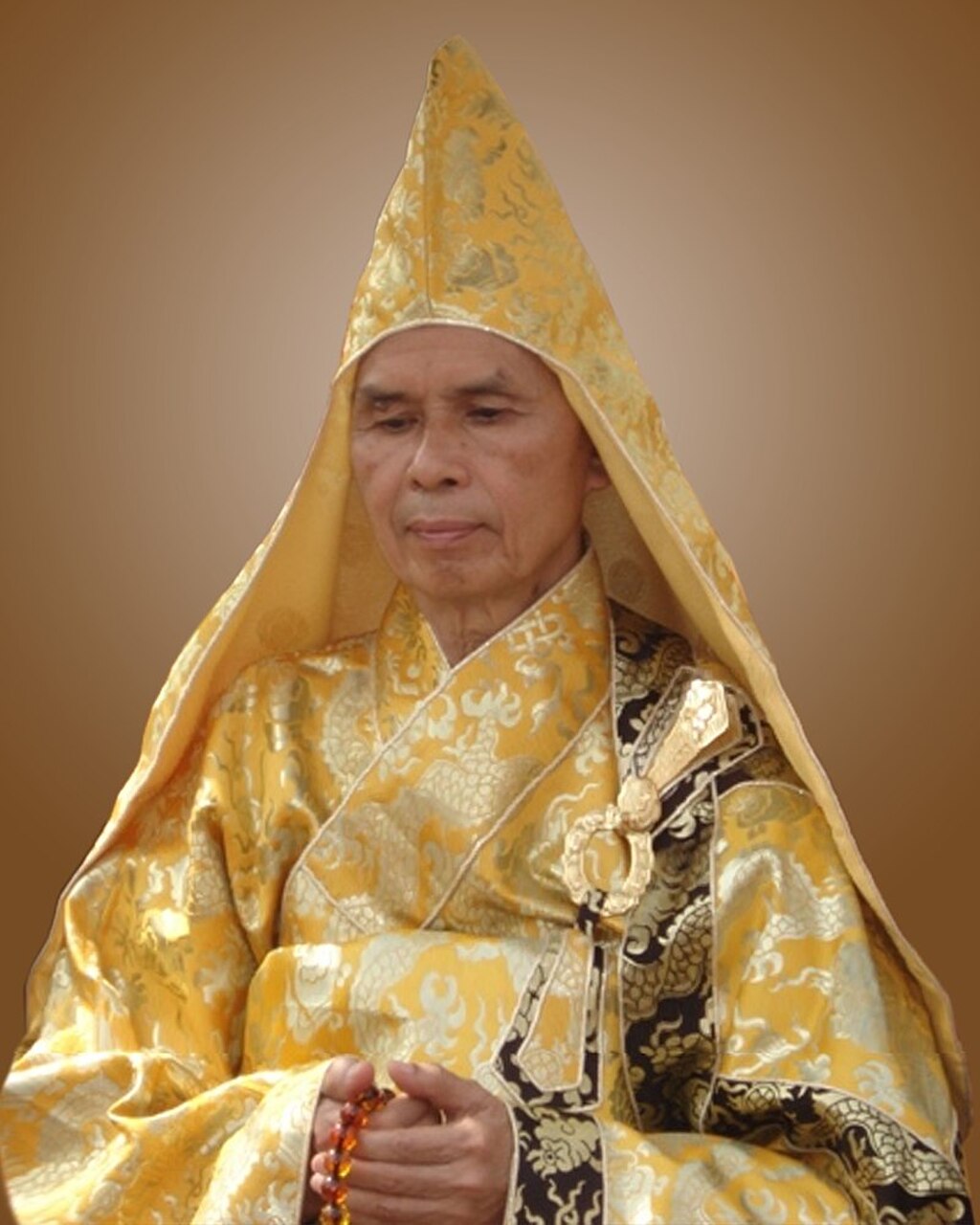
Returning to the Breath: The Home Within
Thich Nhat Hanh's profound assertion, "To breathe with awareness is to come home," invites us to consider the intimate relationship between our breath and our sense of belonging. In a world often characterized by chaos and distraction, this quote serves as a gentle reminder that true refuge lies within ourselves. By cultivating awareness of our breath, we can reconnect with our inner sanctuary, fostering a sense of peace and stability that transcends external circumstances.
As we delve deeper into this teaching, we recognize that the act of breathing is not merely a physiological function but a gateway to mindfulness and presence. Each breath offers an opportunity to anchor ourselves in the present moment, allowing us to step away from the incessant chatter of the mind. In this way, breathing becomes a sacred practice, a means of returning to our true nature and finding solace in the here and now.
The image / the metaphor
The imagery in Thich Nhat Hanh's quote evokes a sense of warmth and safety, akin to the feeling of returning home after a long journey. The verb "breathe" suggests an active engagement with life, while "awareness" implies a conscious choice to be present. Together, these elements create a vivid picture of a journey inward, where the breath serves as both the vehicle and the destination, guiding us back to our essence.
Delving deeper into the metaphor, we can see that "home" represents not just a physical space but a state of being—a place of acceptance, love, and understanding. To breathe with awareness is to cultivate a relationship with ourselves that is nurturing and compassionate. In this context, home becomes a refuge from the turbulence of life, a sanctuary where we can explore our thoughts and emotions without judgment, ultimately leading to greater self-awareness and healing.
In the speaker's tradition
Thich Nhat Hanh's teachings are deeply rooted in the Buddhist tradition, which emphasizes the importance of mindfulness and the interconnectedness of all beings. Concepts such as dharma, the path of truth, and sunyata, the notion of emptiness, resonate with the essence of his quote. By breathing with awareness, we engage with the dharma, allowing us to experience the present moment fully and recognize the impermanence of our thoughts and feelings.
In his seminal work, "The Miracle of Mindfulness," Thich Nhat Hanh illustrates the transformative power of mindful breathing. He encourages practitioners to focus on their breath as a means of cultivating awareness and presence. This practice aligns with the teachings found in other Buddhist texts, such as the Satipatthana Sutta, which emphasizes the importance of mindfulness in developing insight and liberation from suffering.
Living the teaching
Consider a modern scenario where this teaching can be applied: imagine navigating a hectic day filled with meetings, deadlines, and distractions. In such moments, it is easy to feel overwhelmed and disconnected. By consciously taking a few moments to breathe deeply and focus on the rhythm of your breath, you can create a pause that allows you to regain clarity and composure. This simple act of awareness can transform your experience, enabling you to approach challenges with a sense of calm and purpose.
Another application of this teaching can be found in interpersonal relationships. During a disagreement or a moment of tension, it is common to react impulsively, allowing emotions to dictate our responses. By practicing mindful breathing, we can create space between our feelings and our reactions, fostering a more compassionate dialogue. This practice not only enhances our relationships but also deepens our understanding of ourselves and others, reinforcing the idea that home is not just a place but a quality of connection we cultivate with those around us.
A reflection
As we contemplate Thich Nhat Hanh's invitation to breathe with awareness, we may ask ourselves: What does it mean for me to come home to my breath? This question encourages us to explore our relationship with our breath and the ways in which it can serve as a source of comfort and grounding. By reflecting on this inquiry, we can deepen our practice and cultivate a greater sense of belonging within ourselves and the world around us.




Join the BrightStar Community
Stay connected with daily inspiration, event announcements, and community wisdom