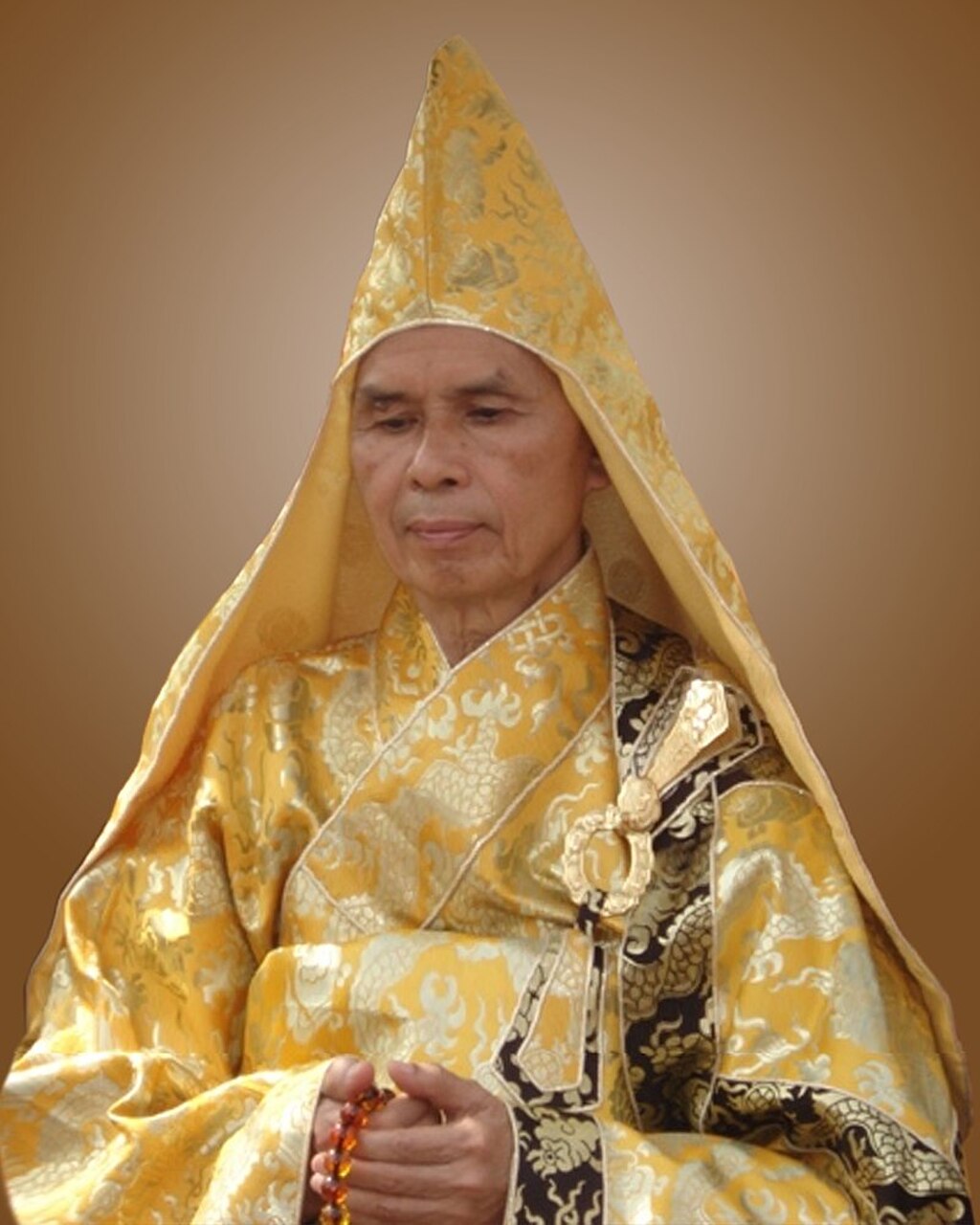
The Art of Loving: A Journey into Compassionate Awareness
Thich Nhat Hanh's poignant observation, "To love without knowing how to love wounds the person we love," invites us to reflect deeply on the nature of love itself. This statement underscores the importance of understanding and skill in the practice of love, suggesting that love is not merely an emotion but a cultivated art. When we love without awareness, we risk inflicting harm rather than fostering connection, making it essential to explore what it means to love wisely and compassionately.
In a world where love is often romanticized and idealized, Thich Nhat Hanh's words serve as a gentle reminder that love requires intention and practice. It is not enough to feel love; we must also learn how to express it in ways that nurture and uplift those we care for. This exploration of love as a skill rather than a mere sentiment opens up a pathway for deeper relationships, inviting us to engage with ourselves and others in a more mindful and compassionate manner.
The image / the metaphor
The imagery in Thich Nhat Hanh's quote evokes a sense of responsibility that accompanies the act of loving. The verbs "to love" and "to wound" create a stark contrast, highlighting the dual potential of love to heal or harm. This duality suggests that love is not a passive state but an active engagement that requires awareness and understanding. The phrase "without knowing how to love" implies that love can be misdirected or misguided, leading to unintended consequences that can hurt both the lover and the beloved.
In the speaker's tradition
Thich Nhat Hanh's teachings are deeply rooted in the Buddhist tradition, where concepts such as compassion (karuna) and wisdom (prajna) are essential to the practice of love. In Buddhism, love is not merely an attachment but a profound understanding of interconnectedness and the shared nature of suffering. The idea of kenosis, or self-emptying, resonates here, as it emphasizes the importance of letting go of ego-driven desires to truly connect with others. This selflessness allows for a more authentic expression of love that is free from the burdens of expectation and attachment.
In his book "True Love," Thich Nhat Hanh elaborates on the practice of mindful loving, encouraging us to cultivate awareness and presence in our relationships. He draws parallels between love and the Buddhist concept of sunyata, or emptiness, suggesting that true love arises when we let go of preconceived notions and judgments. This perspective aligns with the teachings found in the "Lotus Sutra," where the transformative power of compassion is emphasized as a means to alleviate suffering and foster genuine connections.
Living the teaching
Consider a modern scenario where this teaching resonates: a parent striving to connect with their child. In their eagerness to express love, they may inadvertently impose their own expectations, leading to misunderstandings and emotional distance. By reflecting on Thich Nhat Hanh's words, the parent can recognize the importance of listening and understanding their child's unique needs and feelings. This shift from a one-sided expression of love to a more reciprocal engagement can transform the relationship, fostering a deeper bond built on mutual respect and understanding.
Another application of this teaching can be found in romantic relationships, where partners often navigate the complexities of love and intimacy. In moments of conflict, one partner may express love through criticism or frustration, unaware of the wounds being inflicted. By embracing the practice of mindful love, both partners can learn to communicate their feelings with compassion and clarity, creating a safe space for vulnerability and healing. This approach not only deepens their connection but also cultivates a shared commitment to nurturing their relationship with intention and care.
A reflection
As we contemplate Thich Nhat Hanh's profound insight, we are invited to ask ourselves: How can I cultivate a deeper understanding of love in my relationships? This question encourages us to reflect on our own patterns of loving and to consider how we can approach love with greater awareness and skill. By embracing this inquiry, we open ourselves to the possibility of transforming our relationships into spaces of healing, growth, and authentic connection.


Join the BrightStar Community
Stay connected with daily inspiration, event announcements, and community wisdom