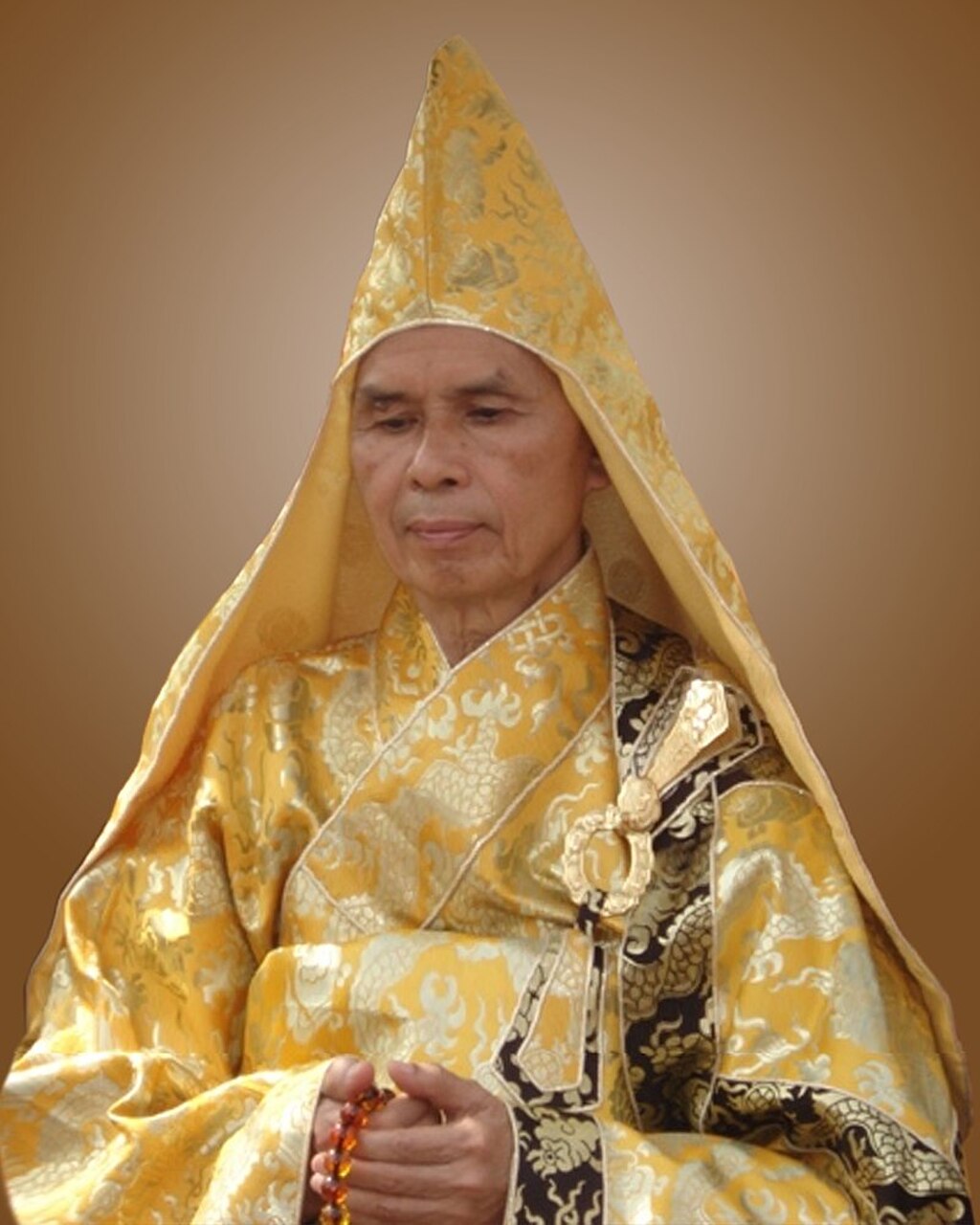
Finding Stillness Amidst the Tempest
Thich Nhat Hanh's poignant assertion, "To meditate is to calm the storm," invites us to explore the transformative power of meditation in our lives. In a world often characterized by chaos and distraction, this quote serves as a reminder of the inner peace that can be cultivated through mindful practice. The stakes are high; without the ability to calm our internal storms, we risk being swept away by the tumult of our thoughts and emotions, losing touch with our true selves.
As we delve deeper into this quote, we recognize that the metaphor of a storm evokes not only turbulence but also the potential for clarity and calm. Meditation becomes a sanctuary, a refuge where we can retreat from the noise of the outside world and the clamor of our minds. In this sacred space, we can learn to navigate the storms of life with grace, transforming our relationship with our thoughts and emotions from one of reactivity to one of understanding and acceptance.
The image / the metaphor
The imagery of a storm conjures feelings of unrest and unpredictability, capturing the essence of our mental and emotional states when left unchecked. The choice of the verb "calm" suggests an active engagement with our inner experience, implying that meditation is not merely a passive escape but a deliberate practice of stillness. This active calming invites us to envision ourselves as both the observer and the participant in our inner landscape, where we can witness the storm without being overwhelmed by it.
Diving deeper into this metaphor, we can see that storms are often temporary, yet they can feel all-consuming in the moment. Similarly, our thoughts and emotions can create a whirlwind of confusion and distress. Meditation, then, becomes a practice of recognizing that these storms are not our true nature; they are transient phenomena that can be observed and understood. By cultivating this awareness, we learn to navigate the storms with a sense of equanimity, allowing us to emerge on the other side with greater clarity and insight.
In the speaker's tradition
Thich Nhat Hanh's teachings are deeply rooted in the Buddhist tradition, which emphasizes the importance of mindfulness and the cultivation of inner peace. Central to this tradition is the concept of dharma, which refers to the path of practice that leads to enlightenment and liberation from suffering. In this context, meditation serves as a vital tool for understanding the nature of our minds and the impermanence of our experiences, allowing us to cultivate a sense of calm amidst the chaos of life.
In his seminal work, "The Miracle of Mindfulness," Thich Nhat Hanh draws upon the teachings of the Buddha, particularly the Four Noble Truths and the Eightfold Path. These foundational concepts guide practitioners toward a deeper understanding of suffering and the means to alleviate it. By engaging in meditation, we align ourselves with the wisdom of these teachings, learning to recognize the storms within us and developing the capacity to calm them through mindful awareness and compassionate understanding.
Living the teaching
Consider a modern scenario where this teaching resonates: a busy professional navigating the demands of work, family, and personal aspirations. In the midst of deadlines and responsibilities, the mind can become a storm of anxiety and overwhelm. By incorporating meditation into their daily routine, this individual can create a space for stillness, allowing them to step back from the chaos and regain perspective. In this way, meditation becomes a lifeline, enabling them to approach their challenges with a clearer mind and a more open heart.
Another application of this teaching might arise in the context of a strained relationship. When conflicts arise, emotions can escalate, creating a tempest of misunderstandings and hurt feelings. By practicing meditation, individuals can cultivate a sense of calm that allows them to respond thoughtfully rather than react impulsively. This practice of mindfulness fosters deeper connections, as it encourages compassion and understanding, transforming the storm of conflict into an opportunity for growth and healing.
A reflection
As we reflect on Thich Nhat Hanh's profound insight, we are invited to consider our own relationship with the storms in our lives. How often do we find ourselves caught in the whirlwind of our thoughts and emotions, feeling powerless to escape? In what ways can we cultivate a practice of meditation that allows us to calm these storms and reconnect with our true selves? This contemplative question encourages us to explore the transformative potential of mindfulness in our daily lives, inviting us to embrace the stillness that lies within.




Join the BrightStar Community
Stay connected with daily inspiration, event announcements, and community wisdom