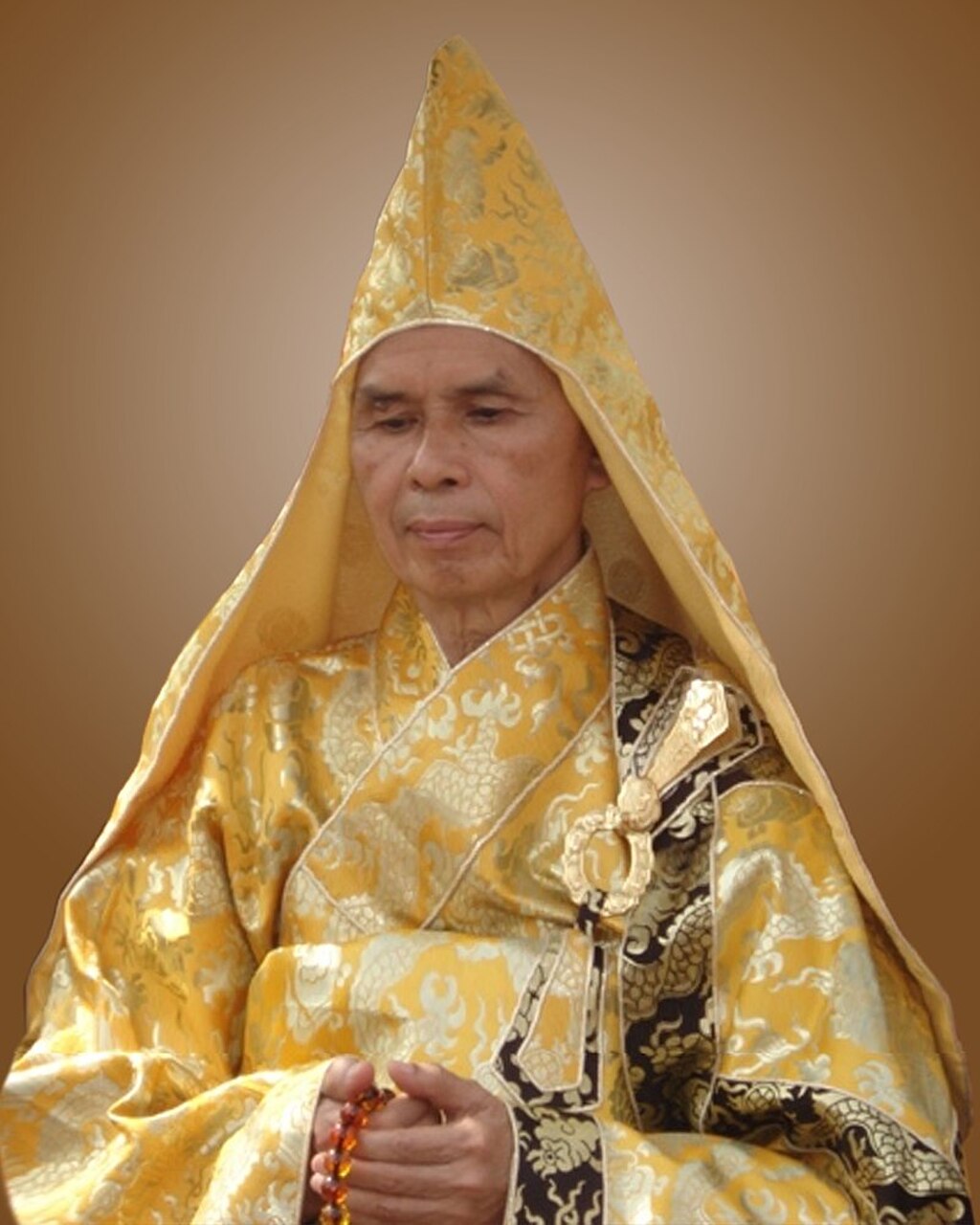
Seeing the Present: The Art of Mindful Observation
Thich Nhat Hanh invites us to embrace the essence of meditation as a practice of deep observation. To meditate is not merely to sit in silence; it is to cultivate the ability to truly see what is unfolding in the present moment. This call to awareness is a profound reminder of the richness of our experiences, urging us to engage fully with life as it is, rather than how we wish it to be. In a world often characterized by distraction and haste, this teaching holds significant relevance, offering a pathway to clarity and peace.
In this simple yet profound statement, Hanh emphasizes the importance of being present, of anchoring ourselves in the here and now. The act of looking—of observing without judgment—becomes a gateway to understanding our thoughts, emotions, and the world around us. This practice of mindfulness not only enhances our perception but also fosters a deeper connection to ourselves and others. By learning to look attentively, we can begin to unravel the complexities of our existence and find beauty in the ordinary.
The image / the metaphor
The imagery in Thich Nhat Hanh's quote evokes a sense of stillness and clarity. To "look" suggests an active engagement with our surroundings, a deliberate choice to focus our attention on the present moment. The phrase "what is happening here" grounds us in our immediate experience, inviting us to observe the nuances of our thoughts and feelings as they arise. This act of looking is not passive; it requires intention and presence, akin to a photographer framing a shot, capturing the essence of a fleeting moment.
Diving deeper into the metaphor, we can see that looking is not merely about visual observation but encompasses a holistic awareness. It invites us to engage all our senses, to feel the textures of our experiences, and to listen to the subtleties of our inner dialogue. This comprehensive approach to observation allows us to cultivate a richer understanding of our lives, transforming mundane moments into opportunities for insight and growth. In this way, meditation becomes a lens through which we can view the world with fresh eyes, free from the distortions of preconceived notions and distractions.
In the speaker's tradition
Thich Nhat Hanh's teachings are deeply rooted in the Buddhist tradition, where mindfulness and awareness are central tenets. Concepts such as dharma—the natural law that governs the universe—and sunyata, or emptiness, resonate with the idea of looking deeply into the present moment. In Buddhism, the practice of meditation is not merely a means to an end but a way of embodying the principles of compassion and understanding. By learning to observe our thoughts and feelings without attachment, we cultivate prajna, or wisdom, which allows us to see the interconnectedness of all beings.
In his seminal work, "The Miracle of Mindfulness," Hanh emphasizes that mindfulness is a way of life, not just a practice confined to meditation sessions. He draws parallels between mindfulness and the teachings of the Buddha, who encouraged his followers to cultivate awareness in every aspect of their lives. This alignment with the core teachings of Buddhism underscores the transformative power of looking deeply, as it leads us to a greater understanding of ourselves and our place in the world.
Living the teaching
Imagine a busy morning where the rush of daily life threatens to overwhelm you. As you prepare for the day, you might find yourself lost in thoughts about the tasks ahead, neglecting the present moment. By applying Thich Nhat Hanh's teaching, you can pause and take a moment to breathe, to look around you, and to truly see the beauty of the morning light filtering through the window. This simple act of mindful observation can ground you, transforming a chaotic start into a moment of peace and clarity.
In relationships, this teaching can be particularly powerful. Consider a moment of conflict with a loved one, where emotions run high and communication falters. By practicing the art of looking, you can step back and observe your feelings and reactions without judgment. This mindful approach allows for a deeper understanding of the situation, fostering compassion and empathy. In this way, the practice of meditation extends beyond the cushion, enriching our interactions and helping us navigate the complexities of human connection.
A reflection
As we contemplate Thich Nhat Hanh's invitation to meditate as a means of learning to look, we are called to reflect on our own lives. What does it mean for you to truly see the present moment? In what ways can you cultivate a deeper awareness of your experiences, allowing them to unfold without the weight of expectation or judgment? This question invites us to explore the richness of our existence, encouraging us to embrace the beauty of the now.


Join the BrightStar Community
Stay connected with daily inspiration, event announcements, and community wisdom