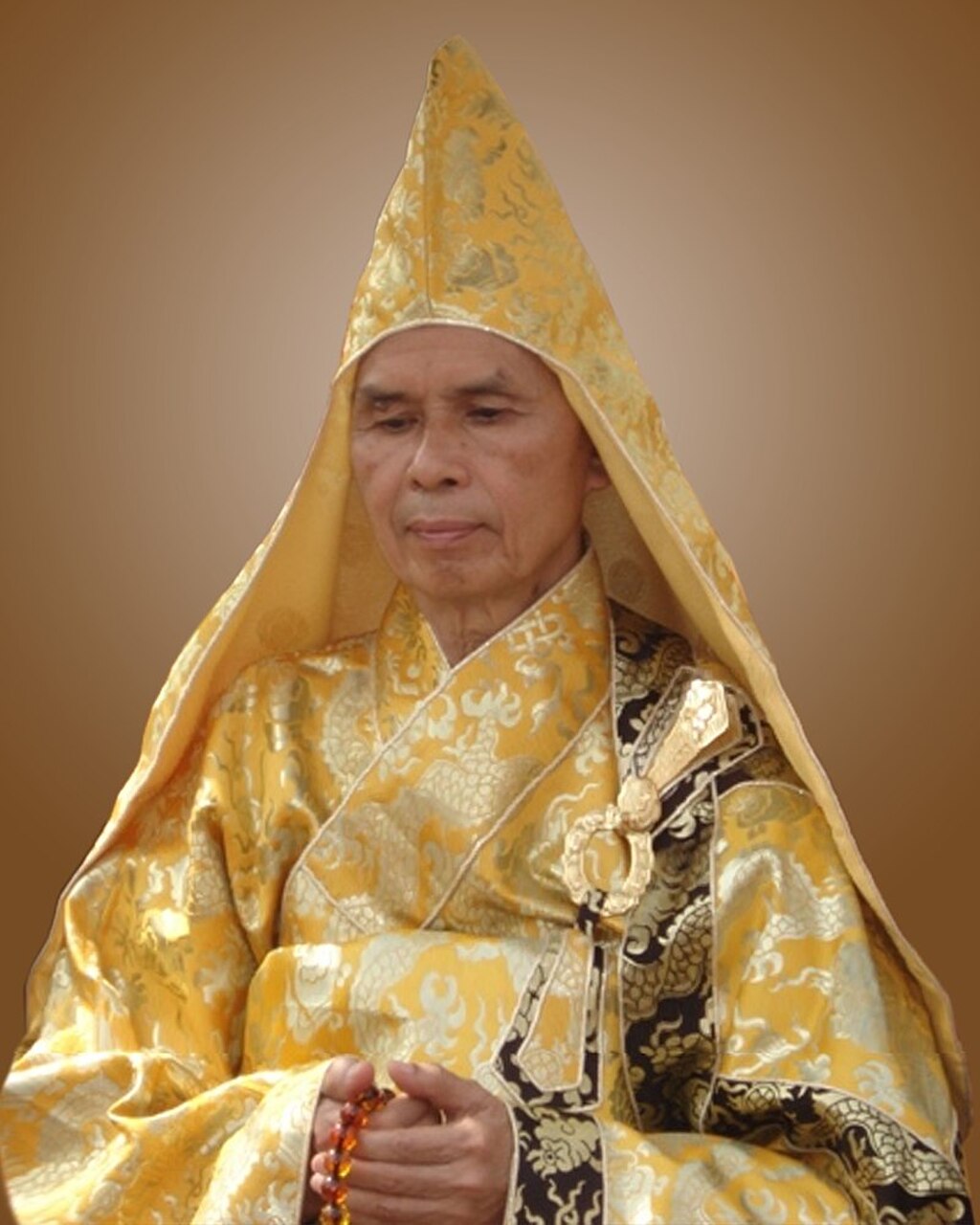
Embracing Anger: The Path to Liberation through Mindfulness
Thich Nhat Hanh's assertion that "to meet anger with mindfulness is to liberate it" invites us to reconsider our relationship with one of the most potent human emotions. Rather than allowing anger to dictate our actions or overwhelm our thoughts, this quote suggests that by approaching it with mindfulness, we can transform it into a source of insight and freedom. This perspective is crucial in a world where anger often manifests as conflict, division, and suffering, reminding us that liberation begins not in the suppression of our feelings but in the conscious engagement with them.
In a society that frequently stigmatizes anger as a negative force, Thich Nhat Hanh's wisdom offers a radical reframe. Mindfulness, as a practice of present awareness and acceptance, allows us to observe our anger without judgment. This observation creates space for understanding the underlying causes of our anger, which often stem from fear, hurt, or unmet needs. By liberating anger from its reactive chains, we not only free ourselves but also cultivate compassion for ourselves and others, transforming a potentially destructive emotion into a catalyst for healing and connection.
The image / the metaphor
The imagery in Thich Nhat Hanh's quote evokes a powerful dynamic between two seemingly opposing forces: anger and mindfulness. The verb "meet" suggests an encounter, a moment of recognition where anger is not dismissed or ignored but acknowledged and engaged with. This meeting is not a confrontation but rather an invitation to dialogue, where mindfulness acts as a gentle guide, illuminating the path toward understanding. The term "liberate" further enriches this imagery, implying that anger, when met with awareness, can be transformed from a prison of reactivity into a space of freedom and insight.
In the speaker's tradition
Thich Nhat Hanh's teachings are deeply rooted in the Buddhist tradition, where concepts such as dharma and sunyata (emptiness) play pivotal roles in understanding the nature of suffering and liberation. In Buddhism, anger is often seen as a manifestation of ignorance—an attachment to self that clouds our perception of reality. By practicing mindfulness, we cultivate prajna, or wisdom, which allows us to see through the illusions that give rise to anger. This practice aligns with the Buddhist path of awakening, where liberation is achieved not through the eradication of emotions but through the transformation of our relationship with them.
In his seminal work, "Anger," Thich Nhat Hanh draws upon the teachings of the Buddha to illustrate how mindfulness can serve as a powerful antidote to the suffering caused by anger. He emphasizes the importance of recognizing anger as a natural human emotion that, when understood, can lead to profound insights about ourselves and our relationships. This perspective echoes the teachings found in the Dhammapada, where the Buddha states that "holding onto anger is like drinking poison and expecting the other person to die." Both texts highlight the necessity of engaging with our emotions mindfully, allowing us to cultivate compassion and understanding in the face of anger.
Living the teaching
Consider a modern scenario where this teaching might resonate: imagine a heated discussion at work where a colleague's words trigger a wave of anger within you. In that moment, the instinct may be to react defensively or to withdraw entirely. However, if you pause and practice mindfulness, you can observe the anger rising within you, acknowledging its presence without judgment. This conscious engagement allows you to explore the root of your anger—perhaps it stems from feeling undervalued or misunderstood. By liberating this emotion through mindfulness, you can respond with clarity and compassion, fostering a more constructive dialogue rather than escalating the conflict.
Another application of this teaching can be found within personal relationships. Picture a moment of tension between partners, where one person's frustration leads to a cycle of blame and resentment. By introducing mindfulness into the conversation, each partner can take a step back and reflect on their feelings without reacting impulsively. This practice encourages a space for vulnerability and honesty, where anger can be expressed and understood rather than suppressed or projected. In this way, mindfulness becomes a bridge that connects two individuals, transforming anger into an opportunity for deeper intimacy and understanding.
A reflection
As we contemplate Thich Nhat Hanh's profound insight, we are invited to consider: how do we typically respond to our anger? Do we allow it to dictate our actions, or do we meet it with the gentle awareness of mindfulness? Reflecting on this question can illuminate our patterns and reveal opportunities for growth, encouraging us to embrace our emotions as teachers rather than adversaries. In this journey of self-discovery, may we find the courage to liberate our anger, transforming it into a source of wisdom and compassion.




Join the BrightStar Community
Stay connected with daily inspiration, event announcements, and community wisdom